
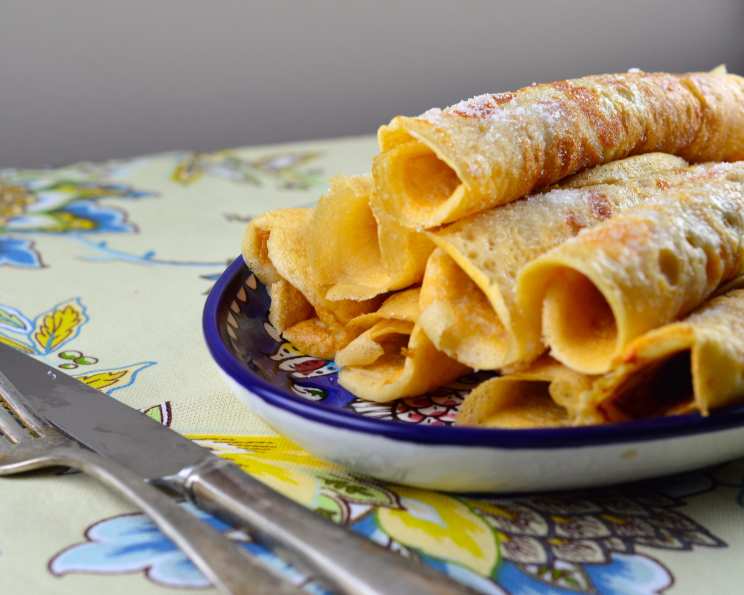
Lefse: A Taste of Norway in Every Bite
My grandmother’s kitchen always smelled faintly of potatoes and something sweet, a scent that instantly transported me back to childhood. She came to this country from Norway when she was just a girl. I remember her standing at the stove, a cloud of flour dusting her apron as she rolled out impossibly thin circles of dough. These weren’t just any circles; they were lefse, a taste of home, a taste of heritage, and a taste of love all rolled into one. The warmth from the skillet, the sweet aroma of butter and sugar – it was more than food; it was a connection to our past.
Recipe Overview
- Prep Time: 30 minutes
- Cook Time: 1 hour 10 minutes
- Total Time: 1 hour 40 minutes
- Yields: 28 lefse
- Dietary Type: Vegetarian
Ingredients
- 1 ¾ lbs russet potatoes
- ½ cup heavy cream
- 4 tablespoons unsalted butter
- 2 teaspoons sugar
- 1 ½ teaspoons kosher salt
- 1 ¾ cups all-purpose flour, plus more for rolling
Equipment Needed
- Large pot
- Potato ricer (or potato masher)
- Large bowl
- Small pot
- Rolling pin
- Parchment or wax paper
- Large nonstick skillet
- Clean kitchen towel
Instructions
-
Begin by preparing the potatoes. Place the whole, unpeeled potatoes in a large pot and cover them with cold water by approximately 2 inches.
-
Bring the water to a boil over high heat. Once boiling, reduce the heat to low and simmer gently until a fork can easily pierce through the potatoes with minimal resistance. This should take about 40 minutes. The key is to cook them until they are tender but not falling apart.
-
Carefully remove the potatoes from the pot and let them cool slightly until you can handle them. Cut the potatoes into smaller chunks.
-
Rice the potatoes while they are still warm. This is best achieved using a potato ricer, which creates a light and fluffy texture. If you don’t have a ricer, peel the potatoes and mash them thoroughly with a fork or potato masher, ensuring there are no lumps.
-
Measure out 4 loosely-packed cups of the riced potatoes and transfer them to a large bowl. It’s crucial to have the correct potato-to-flour ratio for the right consistency.
-
In a small pot, combine the heavy cream, unsalted butter, sugar, and kosher salt. Heat the mixture over low heat until the butter is completely melted. Be careful not to boil the mixture.
-
Gently add the warm butter/cream mixture to the riced potatoes in the large bowl. Mix carefully until just combined. Avoid overmixing at this stage, as it can lead to tough lefse.
-
Cover the bowl and place the mashed potatoes in the refrigerator to cool completely. This step is crucial for developing the right dough consistency. Allow approximately 30 minutes for cooling.
-
Once the potato mixture is thoroughly cooled, add the flour. Gently work the flour into the potatoes until a soft dough forms. Do not overwork the dough; mix only until the flour is incorporated.
-
Allow the dough to rest at room temperature for 10 minutes. This allows the gluten to relax, making the dough easier to roll.
-
Lightly flour a sheet of parchment or wax paper. This will prevent the dough from sticking as you roll it out.
-
Take approximately 2 tablespoons of dough and form it into a small ball.
-
Using a rolling pin, roll out the dough into a very thin circle, about 1/16-inch thick and approximately 7 inches wide. The thinner the lefse, the better! Flour the dough as necessary during rolling to prevent sticking to the parchment paper or rolling pin.
-
Heat a large nonstick skillet over medium heat. Ensure the skillet is hot before adding the lefse to prevent sticking.
-
Carefully turn the parchment or wax paper upside down over your hand. Gently peel off the thin circle of dough, allowing it to rest on your hand.
-
Place the dough directly into the heated skillet. Cook on one side until some light brown speckles begin to form. This should take approximately 1 minute. Watch carefully to prevent burning.
-
Using a spatula, carefully flip the dough and cook for an additional 30 seconds, or until light brown speckles appear on the other side.
-
Transfer the cooked lefse to a plate and immediately cover it with a clean kitchen towel. This will help keep the lefse soft and pliable.
-
Repeat the rolling and cooking process with the remaining dough, stacking the cooked lefse on the plate under the kitchen towel.
-
To serve, spread butter generously over a warm lefse and sprinkle with sugar. Roll it up tightly into a tube shape and enjoy immediately. If the lefse has cooled, you can quickly warm it up in a heated skillet for a few seconds before adding the butter and sugar.
Expert Tips & Tricks
- Don’t Overwork the Dough: Overmixing the dough will develop the gluten too much, resulting in tough lefse. Mix just until the ingredients are combined.
- Rice Warm Potatoes: Ricing the potatoes while they are still warm will create a smoother, lighter texture.
- Keep Lefse Warm: Cover the cooked lefse with a clean kitchen towel to prevent it from drying out and becoming brittle.
- Use a Lefse Stick (Optional): A lefse stick, a long, thin wooden tool, can be used to easily flip and handle the delicate lefse in the skillet.
- Adjust Flour as Needed: The amount of flour needed may vary depending on the moisture content of your potatoes. Add flour gradually until the dough is just workable.
Serving & Storage Suggestions
Serve lefse warm with a generous spread of butter and a sprinkle of sugar. Some people also enjoy adding cinnamon or brown sugar. Lefse can be served as a snack, a side dish, or even as a dessert.
Store leftover lefse in an airtight container in the refrigerator for up to 3 days. You can also freeze lefse for longer storage. To freeze, stack the lefse between sheets of parchment paper to prevent sticking, then wrap tightly in plastic wrap and place in a freezer bag. Frozen lefse can be stored for up to 2 months.
To reheat refrigerated or frozen lefse, warm it in a dry skillet over medium heat for a few seconds per side, or microwave it briefly.
Nutritional Information
| Nutrient | Amount per Serving | % Daily Value |
|---|---|---|
| Calories | 81 kcal | N/A |
| Calories from Fat | 29 kcal | N/A |
| Total Fat | 3.3g | 5% |
| Saturated Fat | 2g | 10% |
| Cholesterol | 10.2mg | 3% |
| Sodium | 97.1mg | 4% |
| Total Carbohydrate | 11.3g | 3% |
| Dietary Fiber | 0.8g | 3% |
| Sugars | 0.6g | 2% |
| Protein | 1.5g | 2% |
Note: Nutritional information is an estimate and may vary depending on specific ingredients and preparation methods.
Variations & Substitutions
- Gluten-Free Lefse: Substitute the all-purpose flour with a gluten-free all-purpose flour blend. You may need to adjust the amount of flour depending on the blend you use.
- Sweet Potato Lefse: Use sweet potatoes instead of russet potatoes for a slightly sweeter and more colorful lefse.
- Savory Lefse: Omit the sugar from the dough and add herbs such as dill or chives for a savory version.
- Dairy-Free Lefse: Substitute the heavy cream with coconut cream or another dairy-free alternative. Use a dairy-free butter substitute.
- Spice it up: Add a pinch of cardamom or nutmeg to the dough for a warm, aromatic flavor.
FAQs (Frequently Asked Questions)
Q: Why is my lefse sticking to the pan?
A: Ensure your skillet is properly heated before adding the lefse. You may also need to add a small amount of oil or butter to the skillet if it’s not non-stick. Additionally, make sure your dough is rolled out thinly enough.
Q: How do I prevent my lefse from drying out?
A: Covering the cooked lefse with a clean kitchen towel is crucial to keeping it soft and pliable. Also, avoid overcooking the lefse in the skillet.
Q: Can I make the dough ahead of time?
A: Yes, you can make the dough ahead of time and store it in the refrigerator for up to 24 hours. Be sure to wrap it tightly to prevent it from drying out.
Q: My lefse is tearing when I try to roll it. What am I doing wrong?
A: The dough may be too dry. Try adding a small amount of heavy cream or water to the dough to make it more pliable. Also, ensure you are using enough flour on your rolling surface.
Q: Can I freeze cooked lefse?
A: Yes, cooked lefse freezes well. Stack the lefse between sheets of parchment paper to prevent sticking, then wrap tightly in plastic wrap and place in a freezer bag.
Final Thoughts
Making lefse is more than just following a recipe; it’s about connecting with tradition, sharing love through food, and creating memories that will last a lifetime. Don’t be intimidated by the process – it’s a forgiving dish, and even if your first few attempts aren’t perfect, they’ll still be delicious. So, gather your ingredients, put on some music, and embrace the joy of making this classic Norwegian flatbread. I encourage you to try this recipe and adapt it to your own tastes. Perhaps a sprinkle of cinnamon with the sugar, or a smear of lingonberry jam alongside. However you enjoy it, I hope it brings a little bit of Norway into your home. Share your creations and experiences – I’d love to hear about them!