
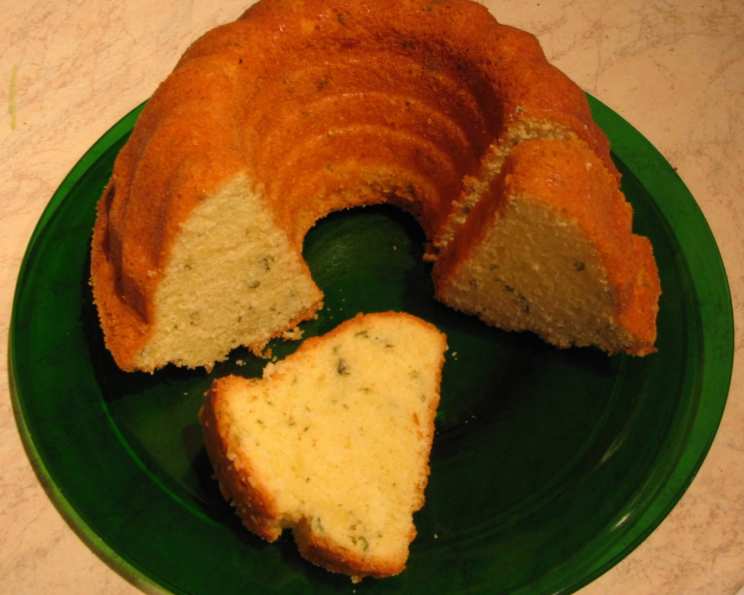
The Verdant Charm of Lemon Balm Cake: A Family Favorite
I still remember the scent that would drift from my grandmother’s kitchen on warm summer afternoons – a curious blend of butter, sugar, and something bright and herbal. It was the aroma of her lemon balm cake, a recipe passed down through generations. She grew the lemon balm in a wild, untamed corner of her garden, and the cake, with its subtle citrusy notes, always felt like a little piece of that sun-drenched space, baked into a sweet treat. Every bite was a reminder of her warmth and the simple joys of summer.
Recipe Overview
- Prep Time: 20 minutes
- Cook Time: 50-60 minutes
- Total Time: 1 hour 10 minutes – 1 hour 20 minutes
- Servings: 12
- Yield: 1 cake
- Dietary Type: Vegetarian
Ingredients
- 250 g butter, at room temperature
- 250 g sugar
- 4 eggs
- ½ lemon, juice of
- 130 g all-purpose flour
- 120 g potato starch
- 1 teaspoon baking powder
- 100 ml chopped fresh lemon balm
Equipment Needed
- 1 ½ litre cake pan
- Mixing bowls
- Electric mixer or whisk
- Sifter
- Oven
Instructions
-
Preheat your oven to 165°C (325°F). Grease and flour a 1 ½ litre cake pan. This will prevent the cake from sticking and ensure easy removal after baking. Be thorough in coating all surfaces of the pan.
-
In a large mixing bowl, cream the 250g of softened butter and 250g of sugar together until the mixture becomes light and fluffy. This step is crucial for incorporating air into the batter, resulting in a tender cake. Use an electric mixer for best results, but a sturdy whisk and some elbow grease will also do the trick.
-
Add the 4 eggs one at a time to the creamed butter and sugar mixture, beating well after each addition. This ensures that each egg is fully incorporated, preventing the batter from curdling. If the batter does appear to curdle, try adding a tablespoon of flour to help bring it back together.
-
Add the juice of ½ lemon and stir to combine. The lemon juice adds a subtle tang that complements the sweetness of the cake.
-
In a separate bowl, combine 130g of all-purpose flour, 120g of potato starch, and 1 teaspoon of baking powder. The potato starch contributes to the cake’s delicate, slightly crumbly texture.
-
Sift the flour mixture onto the butter mixture. This helps to aerate the dry ingredients and prevent lumps from forming in the batter.
-
Stir to combine the wet and dry ingredients until just incorporated. Be careful not to overmix, as this can develop the gluten in the flour, resulting in a tough cake.
-
Add 100 ml of chopped fresh lemon balm and stir gently to distribute it evenly throughout the batter. The lemon balm is the star of the show, so be sure to use fresh, fragrant leaves for the best flavor.
-
Pour the batter into the prepared cake pan, spreading it evenly.
-
Bake in the preheated oven for 50-60 minutes, or until the cake tests done. To check for doneness, insert a wooden skewer or toothpick into the center of the cake. If it comes out clean or with only a few moist crumbs attached, the cake is ready. If the top of the cake begins to brown too quickly, you can tent it loosely with foil to prevent it from burning.
-
Let the cake cool in the pan for a while before inverting it onto a wire rack to cool completely. After inverting the cake, rinse the cake pan, dry it and place it back on the cake. Allow the covered cake to cool completely. This helps to retain moisture and prevent the cake from drying out.
Expert Tips & Tricks
- Room Temperature is Key: Ensuring your butter and eggs are at room temperature is crucial for achieving a smooth, emulsified batter. This helps create a tender, evenly textured cake.
- Don’t Overmix: Overmixing the batter after adding the flour develops gluten, leading to a tough cake. Mix until just combined.
- Lemon Balm Freshness: Use the freshest lemon balm possible for the most vibrant flavor. If you don’t have access to fresh, consider growing your own! It’s a relatively easy herb to cultivate.
- Adjust Baking Time: Oven temperatures can vary. Keep a close eye on the cake and adjust baking time accordingly. If the top browns too quickly, loosely cover it with foil.
- Flavour Boost: Add 1/2 teaspoon of lemon extract and 1 teaspoon of vanilla extract to the batter for a deeper, more complex flavour profile.
Serving & Storage Suggestions
This lemon balm cake is delightful served at room temperature, either plain or with a dusting of powdered sugar. It pairs beautifully with a dollop of whipped cream or a scoop of vanilla ice cream. It is also lovely with a cup of tea.
To store, keep the cake in an airtight container at room temperature for up to 3 days, or in the refrigerator for up to a week. For longer storage, freeze the cake, well-wrapped, for up to 2 months. Thaw it overnight in the refrigerator before serving.
Nutritional Information
| Nutrient | Amount per Serving | % Daily Value |
|---|---|---|
| Calories | 329 kcal | – |
| Calories from Fat | 167 g | – |
| Total Fat | 18.6 g | 28% |
| Saturated Fat | 11.2 g | 55% |
| Cholesterol | 115 mg | 38% |
| Sodium | 178.6 mg | 7% |
| Total Carbohydrate | 37.8 g | 12% |
| Dietary Fiber | 0.9 g | 3% |
| Sugars | 21.4 g | – |
| Protein | 4.1 g | 8% |
Note: Nutritional information is an estimate and can vary based on specific ingredients and portion sizes.
Variations & Substitutions
- Gluten-Free: Substitute the all-purpose flour with a gluten-free blend. Ensure the blend contains xanthan gum or another binding agent to help with the cake’s structure.
- Dairy-Free: Replace the butter with a plant-based butter alternative. Look for one that is specifically designed for baking.
- Citrus Twist: Add the zest of a lemon or orange to the batter for an extra burst of citrus flavor.
- Herb Infusion: Experiment with other herbs like rosemary or thyme in addition to, or in place of, the lemon balm. Adjust the quantity based on the herb’s intensity.
FAQs (Frequently Asked Questions)
Q: Can I use dried lemon balm instead of fresh?
A: While fresh lemon balm provides the most vibrant flavor, you can use dried lemon balm in a pinch. Use about 1/3 of the amount called for in the recipe (approximately 1 tablespoon) as dried herbs are more concentrated.
Q: How do I prevent the cake from sticking to the pan?
A: Thoroughly grease and flour the cake pan before adding the batter. Alternatively, use baking spray with flour, which is specifically designed to prevent sticking.
Q: Can I make this cake ahead of time?
A: Yes, this cake can be made a day or two in advance. Store it in an airtight container at room temperature or in the refrigerator.
Q: Why is potato starch used in this recipe?
A: Potato starch contributes to the cake’s delicate, slightly crumbly texture. It helps to create a lighter, more tender crumb than using only all-purpose flour.
Q: My cake sank in the middle. What did I do wrong?
A: A cake sinking in the middle can be caused by several factors, including overmixing the batter, using old baking powder, or opening the oven door too frequently during baking. Ensure your baking powder is fresh, avoid overmixing, and resist the urge to peek until the cake is nearly done.
Final Thoughts
This Lemon Balm Cake is more than just a dessert; it’s a taste of sunshine and simple pleasures. Whether you’re looking for a comforting treat for yourself or a special dish to share with loved ones, this cake is sure to bring a smile to your face. Don’t be afraid to experiment with the variations and make it your own! I encourage you to give this recipe a try and experience the verdant charm of lemon balm for yourself. And I’d love to hear how it turns out – share your thoughts and creations! Perhaps serve it with a refreshing lemon balm iced tea for the ultimate herbal delight.