
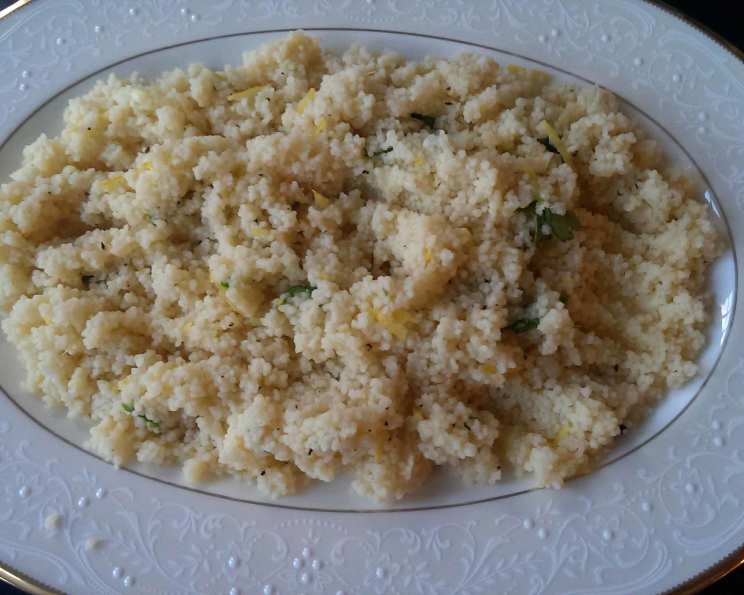
Zesty Lemon Couscous: A Ray of Sunshine on Your Plate
I’ll never forget the first time I tasted lemon couscous. It was at a small, family-run restaurant nestled in the hills of Tuscany. The simplicity of the dish, paired with the bright, vibrant flavors, completely captivated me. The sun-drenched courtyard, the laughter of the family, and the perfectly balanced lemon couscous created a memory I cherish. Ever since, I’ve been on a quest to recreate that same magic in my own kitchen, and I’m thrilled to share my version with you today.
Recipe Overview
- Prep Time: 5 minutes
- Cook Time: 10 minutes
- Total Time: 15 minutes
- Servings: 4
- Dietary Type: Vegetarian
Ingredients
- 1 1⁄4 cups water
- 3⁄4 cup uncooked couscous
- 1⁄4 cup sliced green onion
- 2 tablespoons finely chopped fresh parsley
- 2 tablespoons orange juice
- 1 teaspoon grated lemon rind
- 1 tablespoon fresh lemon juice
- 1⁄4 teaspoon salt
- 1⁄8 teaspoon black pepper
Equipment Needed
- Medium saucepan
- Fork
Instructions
- Begin by bringing the water to a rolling boil in a medium saucepan over high heat.
- Once boiling, gradually stir in the uncooked couscous. This ensures the couscous doesn’t clump together.
- Immediately remove the saucepan from the heat.
- Cover the saucepan tightly with a lid. This step is crucial, as the steam trapped inside cooks the couscous perfectly.
- Let the covered couscous stand for 5 minutes. Do not peek! This allows the couscous to absorb all the water and become light and fluffy.
- After 5 minutes, remove the lid and fluff the couscous with a fork. This separates the grains and prevents them from sticking together.
- Now, stir in the sliced green onion, finely chopped fresh parsley, orange juice, grated lemon rind, fresh lemon juice, salt, and black pepper.
- Ensure all the ingredients are well combined. The heat from the couscous will gently warm the fresh ingredients, releasing their aromas and flavors.
Expert Tips & Tricks
- For an extra burst of lemon flavor, try using lemon-infused olive oil when making this dish. Just a drizzle at the end can really elevate the taste.
- Don’t overcook the couscous! It should be tender and slightly chewy, not mushy. The 5-minute resting time is usually perfect, but you can check for doneness by tasting a small amount.
- Feel free to experiment with different herbs. Mint, dill, or even a pinch of red pepper flakes can add interesting dimensions to the flavor profile.
- Make this ahead of time! The flavors meld even better as it sits. You can make it a few hours in advance and store it in the refrigerator. Bring it to room temperature before serving.
- If you prefer a richer flavor, you can use chicken or vegetable broth instead of water to cook the couscous.
Serving & Storage Suggestions
Lemon couscous is incredibly versatile. It makes a fantastic side dish for grilled fish, chicken, or even tofu. It can also be served as a light lunch on its own, or as part of a Mediterranean-inspired buffet. Garnish with a few extra sprigs of fresh parsley and a lemon wedge for an appealing presentation.
Leftovers can be stored in an airtight container in the refrigerator for up to 3 days. To reheat, gently microwave it for a minute or two, or stir it in a pan over low heat with a splash of water or broth to prevent it from drying out. While freezing isn’t recommended due to the texture of the couscous changing, refrigeration works perfectly.
Nutritional Information
| Nutrient | Amount per Serving | % Daily Value |
|---|---|---|
| Calories | 129.2 kcal | N/A |
| Calories from Fat | 2 g | 2 % |
| Total Fat | 0.3 g | 0 % |
| Saturated Fat | 0.1 g | 0 % |
| Cholesterol | 0 mg | 0 % |
| Sodium | 153 mg | 6 % |
| Total Carbohydrate | 26.9 g | 8 % |
| Dietary Fiber | 1.9 g | 7 % |
| Sugars | 0.9 g | 3 % |
| Protein | 4.4 g | 8 % |
Variations & Substitutions
- For a gluten-free option, use quinoa instead of couscous. Quinoa has a similar texture and will work beautifully with the lemon flavors.
- Add some toasted pine nuts or almonds for extra crunch and nutty flavor.
- For a sweeter twist, incorporate some dried cranberries or raisins.
- Incorporate some diced cucumber, tomato, and bell pepper to transform the dish into a vibrant summer salad.
- Try using different citrus fruits! Grapefruit or lime juice can provide a unique and refreshing twist.
FAQs (Frequently Asked Questions)
Q: Can I use pre-cooked couscous for this recipe?
A: While you can use pre-cooked couscous, the texture might not be as ideal. It’s best to use uncooked couscous for the best results.
Q: Can I add protein to this dish?
A: Absolutely! Adding chickpeas, grilled chicken, or shrimp would make this a more substantial meal.
Q: What kind of couscous should I use?
A: This recipe works best with regular couscous, which is made from semolina wheat.
Q: How can I prevent the couscous from becoming sticky?
A: The key is to not overcook it and to fluff it gently with a fork after it’s rested. Adding a teaspoon of olive oil while fluffing can also help.
Q: Can I use bottled lemon juice?
A: Freshly squeezed lemon juice provides the best flavor, but bottled lemon juice can be used in a pinch. Just be sure to adjust the amount to taste.
Final Thoughts
This lemon couscous is more than just a simple side dish; it’s a celebration of fresh, vibrant flavors. It’s a dish that’s perfect for bringing a little bit of sunshine to your table, no matter the season. So, gather your ingredients, follow these simple steps, and prepare to be transported to a sun-drenched courtyard with every bite. Don’t hesitate to experiment with variations and make it your own! And please, share your feedback and creations – I’d love to hear how it turns out for you. Bon appétit!