
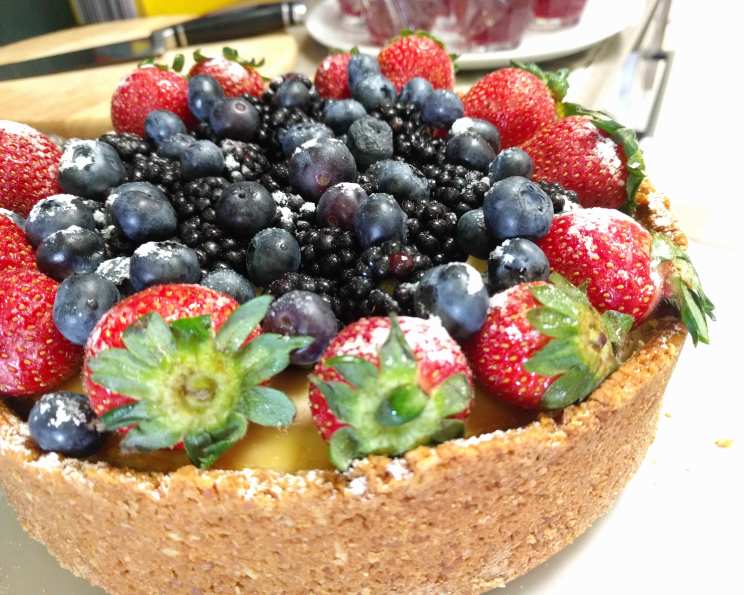
Lemon Curd Cheesecake: A Burst of Sunshine in Every Bite
The first time I tasted lemon curd cheesecake, it was at my grandmother’s annual summer garden party. Sunlight dappled through the leaves, illuminating a table laden with treats, but it was the vibrant yellow of the cheesecake that caught my eye. The tartness of the lemon curd danced on my tongue, perfectly balanced by the creamy richness of the cheesecake and the buttery crunch of the crust. It was a taste of sunshine, a quintessential summer dessert, and a memory I cherish to this day.
Recipe Overview
- Prep Time: 45 minutes
- Cook Time: 55 minutes
- Total Time: 9 hours 40 minutes (includes chilling time)
- Servings: 10-12
- Yield: 1 cheesecake
- Dietary Type: Not specified
Ingredients
For the Lemon Curd:
- ½ cup lemon juice (freshly squeezed is best!)
- 6 egg yolks
- 1 cup sugar
- 4 teaspoons freshly grated lemon zest
- 8 tablespoons (1 stick) cold unsalted butter, cut into pieces
For the Crust:
- 1 ¼ cups graham cracker crumbs
- 3 tablespoons sugar
- ⅛ teaspoon salt
- 5 tablespoons unsalted butter, melted
For the Filling:
- 2 ½ (8 ounce) packages cream cheese, softened
- ½ cup sugar, plus 2 tablespoons sugar
- 3 tablespoons all-purpose flour
- Pinch of salt
- 1 teaspoon pure vanilla extract
- 1 teaspoon fresh lemon juice
- 1 teaspoon freshly grated lemon zest
- 2 large eggs, plus 1 egg yolk
- ½ cup sour cream
- Butter, for greasing the pan
- 1 cup chilled lemon curd (from the recipe above)
Equipment Needed
- 9-inch springform pan
- Parchment paper
- Small bowl
- Fork
- Wire rack
- Electric stand mixer (or hand mixer)
- Heat-proof spatula or wooden spoon
- Heavy, nonreactive 1-quart saucepan
- Candy or instant-read thermometer (optional, but helpful)
- Large roasting pan
- Heavy-duty aluminum foil
- Plastic wrap
- Butter knife
Instructions
-
Prepare the Lemon Curd: In a heavy, nonreactive 1-quart saucepan, whisk together the lemon juice, egg yolks, and sugar.
-
Cook the Curd: Cook over medium-low heat, stirring constantly with a heat-proof spatula or wooden spoon until the mixture thickens and coats the back of the spoon, about 5 to 10 minutes. The mixture should reach 140°F on a candy or instant-read thermometer. Don’t rush this step, as cooking it too quickly can scramble the eggs.
-
Strain and Finish the Curd: Remove the saucepan from the heat and strain the mixture over a bowl to remove any cooked egg particles. Stir in the lemon zest and butter until the butter completely melts and the curd is smooth and glossy.
-
Cool and Store: Cool the lemon curd slightly before using. You can store the curd in the refrigerator in an airtight container for up to 1 week. If it becomes too thick, warm it over a double boiler or in the microwave briefly to return it to a liquid form. It will set up again when chilled.
-
Preheat the Oven for the Crust: Preheat oven to 350°F (175°C) and position rack in the middle of the oven.
-
Prepare the Springform Pan: Prepare a 9-inch springform pan by cutting a parchment circle to fit inside the bottom. This will help prevent the crust from sticking.
-
Make the Crust Mixture: In a small bowl, combine the graham cracker crumbs, sugar, and salt.
-
Incorporate the Butter: Using a fork, stir in the melted butter until well combined. The mixture should resemble wet sand.
-
Press the Crust: Press the mixture into the prepared springform pan, creating an even layer.
-
Bake the Crust: Bake for 10 minutes.
-
Cool the Crust: Cool the crust on a wire rack while you prepare the filling.
-
Decrease Oven Temperature: Decrease oven temperature to 325°F (160°C).
-
Beat the Cream Cheese: In an electric stand mixer fitted with the paddle attachment, beat the cream cheese at medium-low speed until creamy, about 2 minutes. Scrape down the sides of the bowl to ensure all the cream cheese is evenly mixed.
-
Add Dry Ingredients: With the mixer on low, gradually add the sugar, then the flour, and finally a pinch of salt. Scrape down the sides again to ensure everything is well incorporated.
-
Incorporate Wet Ingredients: Switch to a whisk attachment. Continue by mixing in the vanilla extract, lemon juice, and lemon zest.
-
Add Eggs: Whip in the eggs and egg yolk, one at a time, scraping the bowl and whisk at least twice during the process.
-
Add Sour Cream: Continue to whip on low speed and add the sour cream.
-
Mix Until Blended: Whip until well blended; do not overbeat. The batter should be light and somewhat airy. Overbeating can introduce too much air, which can cause the cheesecake to crack.
-
Prepare for Water Bath: Brush the sides of the springform pan with melted butter. Wrap the outside of the pan tightly in heavy-duty aluminum foil, making sure there are no holes in the foil. This is crucial to prevent water from seeping into the cheesecake during the water bath.
-
Pour Filling into Pan: Pour the filling into the pan, over the cooled crust.
-
Create Water Bath: Place the springform pan in a large roasting pan and pour hot tap water into the roaster so that it comes about halfway up the springform pan.
-
Bake the Cheesecake: Transfer to the oven and bake until the filling is just set in the center, about 45 minutes. If the edges start to pull away from the sides of the pan sooner than that, remove it from the oven. A slight jiggle in the very center is okay.
-
Cool the Cheesecake: Immediately remove the pan from the water bath and remove the foil. Place on a wire rack and cool to room temperature.
-
Add Lemon Curd Topping: Stir the lemon curd until smooth (it should be the consistency of thick sour cream) and spread it evenly over the surface of the cheesecake.
-
Chill the Cheesecake: Cover the springform with plastic wrap and refrigerate for at least 8 hours or overnight. This allows the cheesecake to fully set and the flavors to meld.
-
Unmold and Serve: To unmold the cake, place a hot towel around the pan to loosen the cake from the sides. Run a butter knife around the edges and remove the outer part of the pan.
Expert Tips & Tricks
- Use Room Temperature Ingredients: Ensure your cream cheese and eggs are at room temperature for a smoother, lump-free filling.
- Don’t Overmix: Overmixing the batter can lead to a cracked cheesecake. Mix until just combined.
- Water Bath is Key: The water bath is essential for a creamy, evenly baked cheesecake. It prevents the top from cracking and keeps the texture smooth.
- Gentle Cooling: Allow the cheesecake to cool gradually in the oven with the door slightly ajar after baking. This further prevents cracking.
- Make Ahead: The cheesecake can be made a day or two in advance. Just store it covered in the refrigerator until ready to serve.
- Lemon Zest: Use a microplane to zest the lemons for the finest zest. Avoid the white pith, which can be bitter.
Serving & Storage Suggestions
Serve the Lemon Curd Cheesecake chilled, as is, or with a dollop of whipped cream and a few fresh berries for garnish. A sprig of mint adds a pop of color and freshness.
Store leftover cheesecake in the refrigerator, tightly covered, for up to 5 days. While freezing is possible, it can slightly alter the texture of the cheesecake, making it less creamy. If you do freeze it, wrap it tightly in plastic wrap and then in foil, and consume within 1-2 months. Thaw in the refrigerator overnight before serving. Cheesecake can be left at room temperature for a maximum of 2 hours due to dairy content.
Nutritional Information
| Nutrient | Amount per Serving | % Daily Value* |
|---|---|---|
| Calories | 602 kcal | N/A |
| Total Fat | 42.1g | 64% |
| Saturated Fat | 24.9g | 124% |
| Cholesterol | 281.6mg | 93% |
| Sodium | 288mg | 11% |
| Total Carbohydrate | 49.9g | 16% |
| Dietary Fiber | 0.5g | 2% |
| Sugars | 40.2g | N/A |
| Protein | 8.8g | 17% |
*Percent Daily Values are based on a 2,000 calorie diet.
Variations & Substitutions
- Gluten-Free Crust: Use gluten-free graham crackers or make a crust from almond flour and butter.
- Different Citrus: Experiment with other citrus fruits like lime or orange curd instead of lemon.
- Berry Swirl: Swirl in a berry compote into the cheesecake filling before baking for added flavor and visual appeal.
- Chocolate Crust: Use chocolate graham crackers or add cocoa powder to the graham cracker crust for a chocolate twist.
- Dairy-Free Option: While more challenging, a dairy-free version could be attempted using vegan cream cheese alternatives, though texture may vary.
FAQs (Frequently Asked Questions)
Q: Why did my cheesecake crack?
A: Cheesecake cracks are often caused by rapid temperature changes, overbaking, or overmixing the batter. The water bath helps prevent cracking, as does allowing the cheesecake to cool slowly.
Q: Can I use store-bought lemon curd?
A: Yes, you can use store-bought lemon curd, but homemade will always taste fresher and brighter. Be sure to use a high-quality brand if going the store-bought route.
Q: How do I know when the cheesecake is done?
A: The cheesecake is done when the edges are set and the center has a slight jiggle. It will continue to set as it cools.
Q: Can I freeze the lemon curd cheesecake?
A: Freezing can alter the texture, but it is possible. Wrap the cheesecake tightly in plastic wrap and foil, and thaw in the refrigerator overnight before serving.
Q: What if I don’t have a springform pan?
A: While a springform pan is ideal, you could use a regular cake pan lined with parchment paper, leaving enough overhang to lift the cheesecake out after baking. However, this method is more prone to causing cracks.
Final Thoughts
This Lemon Curd Cheesecake is more than just a dessert; it’s an experience. The bright, tangy lemon curd combined with the rich, creamy cheesecake creates a symphony of flavors that will leave you wanting more. Don’t be intimidated by the slightly longer preparation time; the results are well worth the effort. Gather your ingredients, follow these steps, and prepare to bake a cheesecake that will brighten any occasion. I encourage you to try this recipe and share your creations! Perhaps pair it with a crisp glass of prosecco for the perfect finishing touch. Enjoy!