
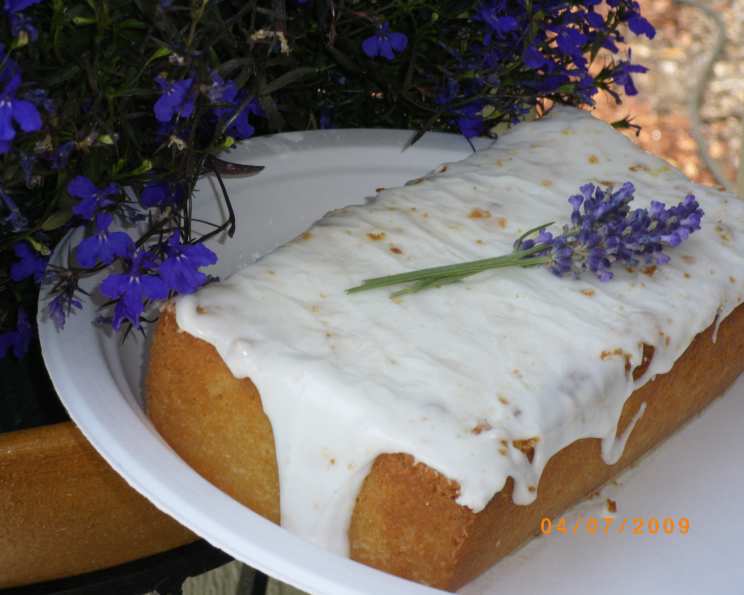
Lemon-Lavender Cake: Aromatic Sunshine in Every Slice
The first time I tasted lemon and lavender together, it was at a small farmers market in Provence. The air was thick with the scent of blooming lavender fields, and a local baker offered me a tiny sliver of her cake. That first bite transported me. The bright, citrusy tang of the lemon danced with the floral, calming notes of lavender, creating a flavor profile that was both sophisticated and comforting. I’ve been chasing that perfect balance ever since, and this recipe comes as close as I’ve ever gotten. It’s a delightful treat that brings a touch of sunshine and serenity to any occasion.
Recipe Overview
- Prep Time: 20 minutes
- Cook Time: 60-65 minutes
- Total Time: 1 hour 25 minutes
- Servings: 8-10
- Yield: 1 loaf cake
- Dietary Type: Not specified
Ingredients
- 1 teaspoon fresh lavender leaves, finely chopped, pesticide-free (or 8 sprigs fresh lavender flowers)
- 1 1/4 cups superfine sugar
- 16 tablespoons (2 sticks) unsalted butter
- Zest of 2 lemons
- 1/4 teaspoon fine sea salt
- 4 eggs
- 1/2 cup all-purpose flour, sifted
- 1/2 cup blanched almond, ground
- 1/4 cup fresh lemon juice
For the Frosting:
- 1 1/2 cups confectioners’ sugar
- 1/4 cup lemon juice (or as needed, about 1/2 large lemon)
- Optional: Fresh lavender flowers, for garnish
Equipment Needed
- 9×5 inch loaf pan
- Food processor
- Large mixing bowl
- Wooden spoon
- Wire rack
- Sifter
- Knife
Instructions
-
Preheat your oven to 350°F (175°C). Generously butter a 9×5 inch loaf pan. This step is crucial to prevent the cake from sticking. You can also dust the pan with flour after buttering for extra insurance.
-
If using fresh lavender flowers, strip the flowers from the sprigs. The stems can be quite bitter, so be sure to use only the flower petals.
-
In a food processor, combine the lavender flowers or leaves, superfine sugar, butter, lemon zest, and salt. Process until the mixture is pale and fluffy, about 2-3 minutes. This incorporates the lavender and lemon flavors beautifully into the butter and sugar, creating a flavorful base for the cake. Be careful not to over-process, as this can make the butter too warm.
-
Transfer the mixture to a large bowl. Add the eggs one at a time, alternating with one-fourth of the sifted flour, beating well with a wooden spoon after each addition. This ensures the ingredients are properly emulsified, preventing the batter from curdling. Sifting the flour helps create a lighter, more tender cake.
-
Gently stir in the ground almonds and lemon juice. The almonds add a lovely nutty flavor and contribute to the cake’s moistness, while the lemon juice enhances the citrus notes.
-
Spoon the batter into the prepared loaf pan and smooth the top. Distributing the batter evenly helps ensure the cake bakes uniformly.
-
Bake for 10 minutes at 350°F (175°C).
-
Reduce the oven temperature to 325°F (160°C) and continue baking until a skewer inserted into the center of the cake comes out clean, 50 to 55 minutes. Lowering the temperature prevents the cake from browning too quickly on the outside while ensuring the inside is fully cooked. If the top of the cake starts to brown too much, you can loosely tent it with foil during the last 15-20 minutes of baking.
-
Transfer the pan to a wire rack and let cool for about 5 minutes. This allows the cake to slightly contract, making it easier to remove from the pan.
-
Run a knife around the edge of the pan and turn the cake out onto the rack. Place it right side up and let it cool completely. Ensure the cake is completely cool before frosting to prevent the icing from melting.
-
Make the icing: Sift the confectioners’ sugar into a bowl. This prevents lumps in the frosting and creates a smooth, even texture.
-
Using a wooden spoon, stir in the lemon juice, a few drops at a time. The icing should be thick but spreadable. If it is too stiff, add a little more lemon juice. The consistency should be such that it will drip slightly down the sides of the cake.
-
Using a knife, dipping it in hot water if it becomes too sticky, spread the icing over the cooled cake, making sure that it drips down the sides. Dipping the knife in hot water helps prevent the icing from sticking to the knife and creates a smoother finish.
-
Let stand until the icing is set, about 1 hour.
-
Decorate with fresh lavender flowers, if desired.
Expert Tips & Tricks
- For a more intense lavender flavor, consider making a lavender sugar. Combine superfine sugar with dried lavender buds in a jar, seal tightly, and let it sit for a week, shaking occasionally. Use this lavender sugar in place of the regular superfine sugar in the recipe.
- Don’t overmix the batter. Overmixing develops the gluten in the flour, which can result in a tough cake.
- Use room temperature ingredients. Room temperature butter and eggs emulsify more easily, resulting in a smoother batter and a more tender cake.
- If you want a richer, more decadent cake, substitute a portion of the all-purpose flour with cake flour.
- To enhance the lemon flavor even further, add a teaspoon of lemon extract to the batter.
Serving & Storage Suggestions
This Lemon-Lavender Cake is delightful served as a dessert, with afternoon tea, or even as a light breakfast treat. It pairs beautifully with a dollop of whipped cream or a scoop of vanilla ice cream. Store the cake in an airtight container at room temperature, without the flower garnish, for up to 3 days. The cake can also be stored in the refrigerator for up to 5 days, but it may become slightly drier. To freeze the cake, wrap it tightly in plastic wrap and then in foil. It can be frozen for up to 2 months. Thaw it overnight in the refrigerator before serving.
Nutritional Information
| Nutrient | Amount per Serving | % Daily Value (Estimated) |
|---|---|---|
| Calories | 450 kcal | 23% |
| Total Fat | 25g | 38% |
| Saturated Fat | 15g | 75% |
| Cholesterol | 150mg | 50% |
| Sodium | 100mg | 4% |
| Total Carbohydrate | 55g | 18% |
| Dietary Fiber | 1g | 4% |
| Sugars | 45g | N/A |
| Protein | 5g | 10% |
Nutritional information is an estimate and may vary based on specific ingredients and serving sizes.
Variations & Substitutions
- Gluten-Free: Substitute the all-purpose flour with a gluten-free all-purpose flour blend. You may also need to add a binder such as xanthan gum.
- Dairy-Free: Replace the butter with a vegan butter substitute. Be sure to choose one that is designed for baking.
- Lemon Poppy Seed: Add 2 tablespoons of poppy seeds to the batter for a delightful textural contrast.
- Lavender Honey Cake: Drizzle the cooled cake with honey infused with lavender for an extra layer of flavor.
- Orange-Lavender Cake: Substitute orange zest and juice for the lemon zest and juice for a different citrusy twist.
FAQs (Frequently Asked Questions)
Q: Can I use dried lavender instead of fresh?
A: Yes, you can use dried lavender. Use about 1/2 teaspoon of dried lavender buds, finely ground.
Q: How do I prevent the cake from sticking to the pan?
A: Generously butter and flour the loaf pan. Make sure to get into all the corners.
Q: Can I make this cake ahead of time?
A: Yes, you can bake the cake a day or two in advance and store it, tightly wrapped, at room temperature. Frost it just before serving.
Q: What is superfine sugar?
A: Superfine sugar (also known as caster sugar) has finer granules than regular granulated sugar. It dissolves more easily in batters and creams. If you don’t have superfine sugar, you can pulse granulated sugar in a food processor until it’s finer.
Q: My icing is too runny. What can I do?
A: Add more confectioners’ sugar, a tablespoon at a time, until you reach the desired consistency.
Final Thoughts
This Lemon-Lavender Cake is more than just a recipe; it’s an experience. It’s the embodiment of sunshine, serenity, and the simple pleasures of life. I encourage you to try this recipe, experiment with the variations, and make it your own. Share it with loved ones, and let the delicate flavors transport you to a sun-drenched lavender field. Don’t hesitate to leave feedback or suggestions – I’m always eager to learn from fellow bakers! Pair this delightful cake with a cup of Earl Grey tea or a chilled glass of Moscato d’Asti for the perfect afternoon indulgence. Happy baking!