
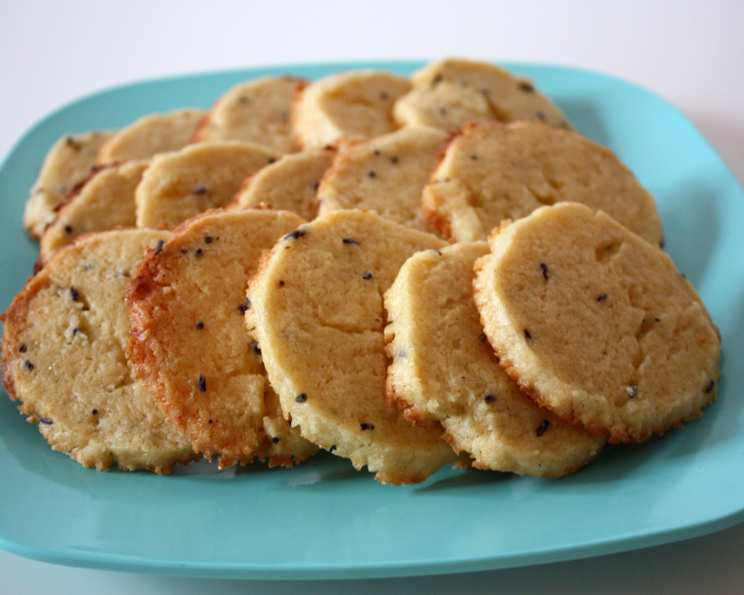
Lemon Lavender Cookies: Aromatic Bliss in Every Bite
The first time I tasted lavender in a dessert, I was skeptical. My grandmother, a woman who believed a sprinkle of dried herbs could cure anything, presented me with a tiny shortbread cookie. One bite, and I was transported. The floral notes, subtle yet distinct, danced with the bright lemon, creating a flavor harmony that was both comforting and surprisingly sophisticated. It was a moment of pure culinary revelation, and it sparked my lifelong love affair with incorporating unexpected flavors into classic treats. These Lemon Lavender Cookies are my homage to that memory, a little bite of sunshine and serenity.
Recipe Overview
- Prep Time: 20 minutes
- Cook Time: 10-12 minutes
- Total Time: 2 hours 20 minutes (includes chilling)
- Yields: Approximately 4 dozen cookies
- Dietary Type: Vegetarian
Ingredients
- ¾ cup sugar
- 2 tablespoons grated lemon zest (from 1-2 lemons)
- 2 tablespoons lemon juice (from 1-2 lemons)
- 2 teaspoons dried lavender (optional)
- 1 ¾ cups flour
- ¼ teaspoon baking powder
- ¼ teaspoon salt
- 12 tablespoons (1 ½ sticks) cold unsalted butter, cut into ½-inch cubes
- 1 egg yolk
- ½ teaspoon vanilla extract
Equipment Needed
- Food Processor
- Measuring cups and spoons
- Whisk
- Measuring cup
- Parchment paper or plastic wrap
- Baking sheets
- Sharp knife
- Wire rack
Instructions
-
Infuse the Sugar: In a food processor, combine the sugar, lemon zest, and dried lavender (if using). Process until the sugar looks damp and the zest and lavender are fully incorporated, about 30 seconds. This step is crucial for releasing the essential oils and maximizing flavor.
-
Combine Dry Ingredients: In a separate bowl, whisk together the flour, baking powder, and salt. This ensures even distribution of the leavening agent and salt.
-
Incorporate Dry Ingredients: Add the flour mixture to the sugar mixture in the food processor. Pulse to combine, about 10 one-second pulses. Be careful not to over-process at this stage, as it can develop the gluten in the flour and result in a tougher cookie.
-
Add Butter: Scatter the cold butter cubes over the flour mixture. Pulse until the mixture resembles fine cornmeal, about 15 one-second pulses. The butter should be cold to prevent it from melting and creating a greasy dough.
-
Prepare Liquid Mixture: In a measuring cup, beat together the lemon juice, egg yolk, and vanilla extract. The egg yolk adds richness and tenderness to the cookies.
-
Combine Wet and Dry: With the food processor running, add the juice mixture in a slow, steady stream (should take about 10 seconds). Continue processing until the dough forms into a ball, 10 to 15 seconds longer. Watch closely to avoid over-processing.
-
Shape the Dough: Turn the dough and any dry bits onto a clean work surface. Gently gather the dough into a ball. Working quickly to prevent the butter from warming too much, roll the dough into a cylinder about 12 inches long and 1 ½ inches in diameter. A uniform cylinder ensures even baking.
-
Chill the Dough: Center the dough on a piece of parchment paper or plastic wrap and wrap tightly, twisting the ends together to seal. Chill the dough until firm and cold, about 45 minutes in the freezer or 2 hours in the refrigerator. This chilling period is essential for preventing the cookies from spreading too much during baking and for easier slicing.
-
Preheat Oven: Preheat the oven to 375°F (190°C). Line baking sheets with parchment paper. Trust me on this one! Even if you think your pans are non-stick, parchment paper guarantees easy release and prevents sticking.
-
Slice and Bake: Remove the dough log from its wrapper and use a sharp knife to slice the dough into 3/8-inch thick rounds. A sharp knife is crucial for clean slices. Place the rounds on the prepared baking sheets, spacing them 1 inch apart.
-
Bake: Bake until the centers of the cookies just begin to color and the edges are golden brown, about 10-12 minutes. Rotate the baking sheet halfway through the baking time for even browning. Keep a close eye on them; oven temperatures can vary.
-
Cool: Cool on the baking sheets for about 5 minutes, then transfer the cookies to a wire rack to cool completely. This prevents them from continuing to bake on the hot baking sheet.
Expert Tips & Tricks
- Use High-Quality Butter: The flavor of butter really shines in these cookies, so opt for a good quality brand.
- Don’t Overwork the Dough: Overworking the dough develops gluten, resulting in tough cookies. Use a light hand and avoid excessive mixing.
- Adjust Lavender to Taste: The amount of lavender can be adjusted to suit your preference. Start with a smaller amount and add more if desired. Be careful not to overdo it, as lavender can be overpowering.
- Freeze for Later: The dough log can be frozen for up to 2 months. Thaw in the refrigerator overnight before slicing and baking.
- Lemon Glaze: For an extra touch of elegance, drizzle the cooled cookies with a simple lemon glaze made from powdered sugar and lemon juice.
Serving & Storage Suggestions
These Lemon Lavender Cookies are delightful on their own with a cup of tea or coffee. They also pair beautifully with fresh fruit, such as berries or sliced peaches.
- Storage: Store the cooled cookies in an airtight container at room temperature for up to 3 days.
- Freezing: For longer storage, freeze the baked cookies in a single layer on a baking sheet, then transfer them to a freezer-safe bag or container. They can be frozen for up to 2 months. Thaw at room temperature before serving.
Nutritional Information
| Nutrient | Amount per Serving | % Daily Value |
|---|---|---|
| Calories | 75 kcal | 4% |
| Total Fat | 4g | 6% |
| Saturated Fat | 2.5g | 13% |
| Cholesterol | 15mg | 5% |
| Sodium | 5mg | 0% |
| Total Carbohydrate | 9g | 3% |
| Dietary Fiber | 0g | 0% |
| Sugars | 4g | 0% |
| Protein | 0.5g | 1% |
Note: Nutritional information is an estimate and may vary depending on specific ingredients and preparation methods.
Variations & Substitutions
- Gluten-Free: Substitute the all-purpose flour with a gluten-free blend. Be sure to use a blend that contains xanthan gum for proper binding.
- Vegan: Replace the butter with a vegan butter substitute and the egg yolk with 1 tablespoon of applesauce.
- Other Citrus: Experiment with other citrus zests and juices, such as orange or grapefruit.
- Herbal Infusions: Try using other dried herbs, such as rosemary or thyme, in place of lavender.
FAQs (Frequently Asked Questions)
Q: Can I use fresh lavender instead of dried?
A: While you can use fresh lavender, dried lavender is more potent and provides a more concentrated flavor. If using fresh, use about 1 tablespoon of finely chopped lavender flowers.
Q: Why is it important to chill the dough?
A: Chilling the dough allows the butter to solidify, which prevents the cookies from spreading too much during baking. It also makes the dough easier to slice.
Q: What if my dough is too dry and crumbly?
A: Add a teaspoon of ice water at a time until the dough comes together. Be careful not to add too much water, as it can make the cookies tough.
Q: Can I make these cookies without a food processor?
A: Yes, you can make these cookies by hand. Cut the butter into the flour mixture using a pastry blender or your fingers until it resembles coarse crumbs. Then, stir in the wet ingredients until just combined.
Q: How do I prevent the cookies from browning too quickly?
A: If the cookies are browning too quickly, lower the oven temperature by 25 degrees Fahrenheit and bake for a few minutes longer. You can also tent the baking sheet with aluminum foil to protect the cookies from direct heat.
Final Thoughts
These Lemon Lavender Cookies are more than just a treat; they’re a little bite of happiness. The bright citrus and delicate floral notes create a flavor combination that’s both refreshing and comforting. I encourage you to try this recipe and experience the magic for yourself. Don’t be afraid to experiment with different variations and substitutions to create your own signature cookie. And most importantly, share them with someone you love – because everything tastes better when shared.