
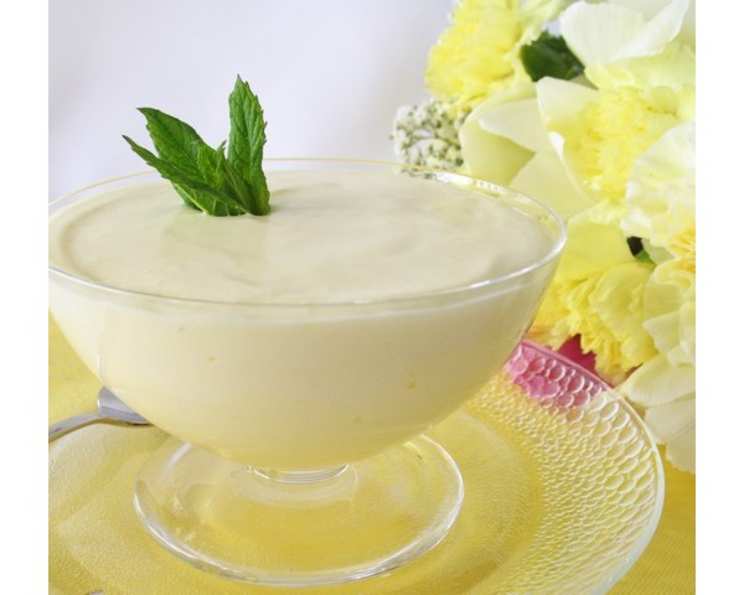
Luscious Lemon Mousse: A Burst of Sunshine in Every Bite
I remember the first time I tasted lemon mousse. I was a young cook, working at a small bistro in the south of France. The pastry chef, a gruff but kind woman named Madame Dubois, made it every spring. The vibrant lemon flavor, light as air texture, and delicate sweetness transported me. It tasted like sunshine and blooming flowers, a perfect embodiment of the season. I’ve been chasing that flavor ever since, tweaking and perfecting my own version of this classic dessert. This recipe is as close as I’ve gotten to capturing that perfect memory.
Recipe Overview
- Prep Time: 20 minutes
- Cook Time: 15 minutes
- Total Time: 2 hours 35 minutes (includes chilling time)
- Servings: 6
- Yield: 6 servings
- Dietary Type: Not Gluten-Free
Ingredients
- 5 eggs
- 1 cup sugar
- 4 ounces butter, melted and cooled
- 1 cup fresh lemon juice
- 1 tablespoon lemon zest (optional, for extra flavor)
- 2 cups heavy cream
- 1 sprig of fresh mint (to garnish)
Equipment Needed
- Double boiler (or a heatproof bowl and saucepan)
- Whisk
- Medium bowl
- Plastic wrap
- Electric mixer (or whisk)
- Stemmed glasses or serving dishes
Instructions
-
In a large bowl, beat the eggs and sugar together until the mixture is pale and thick, about 5 minutes. This step is crucial for incorporating air and creating a light texture in the final mousse. Using an electric mixer will make this process quicker and easier, but a whisk and some elbow grease will work just as well.
-
Gradually beat the melted and cooled butter into the egg and sugar mixture in a thin, steady stream. This prevents the butter from cooking the eggs and ensures a smooth, emulsified base for the custard. Make sure the butter is cooled, but still liquid, to avoid clumping.
-
Add the fresh lemon juice to the mixture and whisk until combined. The lemon juice will react with the eggs and butter, creating a slightly thickened consistency. Don’t worry if the mixture looks a little curdled at this stage; it will smooth out during cooking.
-
Pour the lemon mixture into the top of a double boiler. If you don’t have a double boiler, you can create one by placing a heatproof bowl over a saucepan of simmering water. Make sure the bottom of the bowl doesn’t touch the water.
-
Cook the mixture over moderate heat, whisking constantly, until it thickens enough to coat the back of a spoon, about 15 minutes. It is essential to whisk constantly to prevent the eggs from scrambling and to ensure a smooth, creamy custard. The custard is ready when you can run your finger across the back of the spoon and the line holds its shape.
-
Add the lemon zest at this stage, if using. Adding the zest now preserves its bright, fresh flavor. If you prefer a perfectly smooth custard, omit the zest.
-
Transfer the custard to a medium bowl. Place a piece of plastic wrap directly onto the surface of the custard to prevent a skin from forming as it cools. This is a simple but important step to maintain the smooth texture of the custard.
-
Refrigerate the custard for at least two hours, or until completely chilled. Chilling the custard allows it to set and develop its flavor. You can even chill it overnight for a richer, more intense lemon flavor.
-
In a separate bowl, beat the heavy cream until soft peaks form. Be careful not to over-beat the cream, as it can turn into butter. Soft peaks are formed when the cream holds its shape but the tips still curl slightly.
-
Gently fold the whipped cream into the chilled lemon custard until just combined. Be careful not to overmix, as this will deflate the cream and result in a less airy mousse. The folding motion should be gentle and deliberate, lifting the custard over the cream until everything is evenly incorporated.
-
Spoon or pipe the lemon mousse into stemmed glasses or individual serving dishes.
-
Garnish with a sprig of fresh mint before serving.
Expert Tips & Tricks
- For a more intense lemon flavor, use Meyer lemons instead of regular lemons. Meyer lemons are sweeter and less acidic, adding a unique depth of flavor to the mousse.
- If you’re short on time, you can use store-bought lemon curd as a base for the mousse. Just fold in the whipped cream for a quick and easy dessert.
- To prevent curdling in the custard, make sure the heat is not too high and whisk constantly. If the custard does curdle, you can try to smooth it out by whisking vigorously off the heat.
- For a richer flavor, add a tablespoon of Limoncello to the custard after it has cooled slightly.
Serving & Storage Suggestions
Serve the lemon mousse chilled in stemmed glasses or small bowls. Garnish with a sprig of fresh mint or a sprinkle of lemon zest for a visually appealing presentation. The mousse is best served immediately after being made, but it can be stored in the refrigerator for up to 2 days. Cover the mousse tightly with plastic wrap to prevent it from absorbing any odors from the refrigerator. The mousse is not suitable for freezing, as the texture will change and become grainy.
Nutritional Information
| Nutrient | Amount per Serving | % Daily Value |
|---|---|---|
| Calories | 610 kcal | N/A |
| Total Fat | 48.8g | 75% |
| Saturated Fat | 29.3g | 146% |
| Cholesterol | 325.6mg | 108% |
| Sodium | 197.8mg | 8% |
| Total Carbohydrate | 39.5g | 13% |
| Dietary Fiber | 0.3g | 1% |
| Sugars | 34.7g | N/A |
| Protein | 7.2g | 14% |
Note: Nutritional information is an estimate and may vary based on specific ingredients and serving sizes.
Variations & Substitutions
- Vegan Lemon Mousse: Substitute the eggs with aquafaba (the liquid from canned chickpeas) and use a plant-based butter alternative. Replace the heavy cream with chilled coconut cream, being sure to only use the thick solid part.
- Gluten-Free Lemon Mousse: This recipe is naturally gluten-free if served without any gluten-containing garnishes.
- Lemon-Lime Mousse: Use a combination of lemon and lime juice for a zesty twist.
- Berry Lemon Mousse: Fold in fresh raspberries, blueberries, or strawberries into the mousse for added flavor and color.
FAQs (Frequently Asked Questions)
Q: Can I make this mousse ahead of time?
A: Yes, the lemon custard can be made up to 2 days in advance and stored in the refrigerator. However, it’s best to fold in the whipped cream just before serving to maintain the mousse’s light and airy texture.
Q: What if my custard curdles while cooking?
A: If the custard curdles, immediately remove it from the heat and whisk vigorously. This may help to smooth it out. You can also try straining the custard through a fine-mesh sieve to remove any lumps.
Q: Can I use bottled lemon juice instead of fresh?
A: While fresh lemon juice is recommended for the best flavor, you can use bottled lemon juice in a pinch. However, be aware that the flavor may not be as bright and intense.
Q: How do I prevent a skin from forming on the custard while it cools?
A: To prevent a skin from forming, place a piece of plastic wrap directly onto the surface of the custard as it cools. This will create a barrier and prevent air from reaching the surface.
Q: Can I use a different type of citrus juice?
A: Yes, you can experiment with other citrus juices, such as orange, grapefruit, or lime. Just be sure to adjust the amount of sugar to taste, as some citrus fruits are more tart than others.
Final Thoughts
This Lemon Mousse is more than just a dessert; it’s an experience. It’s a burst of sunshine on your palate, a reminder of warm days and bright flavors. Don’t be intimidated by the steps – each one is simple and straightforward, and the end result is well worth the effort. I encourage you to try this recipe and share it with your loved ones. Serve it after a light spring meal, or pair it with a glass of chilled Prosecco for a truly special occasion. And most importantly, don’t forget to savor every delicious bite!