
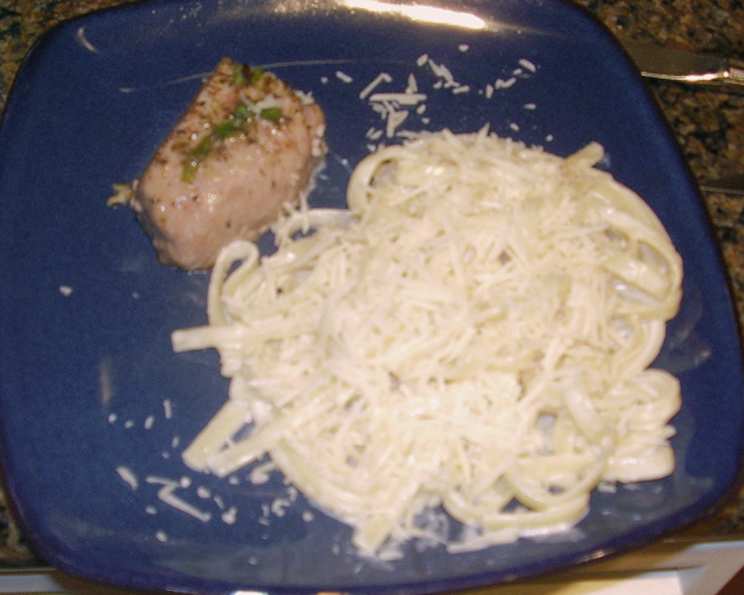
Lemon Pepper & Mustard Baked Ahi / Mahi Mahi / Salmon
The scent of citrus and the subtle spice of pepper always transport me back to summer evenings grilling by the coast. I remember one particular family gathering where my grandfather, a seasoned fisherman, brought in a magnificent Mahi Mahi. He insisted on a simple preparation to truly appreciate the fish’s flavor: lemon, pepper, a touch of mustard, and a quick sear over the flames. This baked version captures that same spirit of effortless deliciousness, perfect for any weeknight meal.
Recipe Overview
- Prep Time: 10 minutes
- Cook Time: 10-15 minutes
- Total Time: 20-25 minutes
- Servings: 5
- Dietary Type: Pescatarian, Gluten-Free, Dairy-Free
Ingredients
- 1 whole lemon, juice of
- 1 garlic clove, minced
- 10 ounces fresh mahi mahi (can substitute with ahi tuna or salmon)
- ½ tablespoon ground black pepper
- 1 tablespoon unsalted butter
- 1 teaspoon fresh basil, chopped
- 1 tablespoon honey (maple syrup if not available)
- ¼ teaspoon salt
- ½ teaspoon Worcestershire sauce (optional)
- 1 scallion, chopped
- 1 teaspoon Dijon mustard
Equipment Needed
- Small skillet
- Aluminum foil
- Baking sheet
- Oven
Instructions
-
Preheat your oven to 375°F (190°C). Ensure your oven rack is positioned in the center for even cooking.
-
In a small skillet, melt 1 tablespoon of butter over medium heat. Keep a close eye on the butter to prevent it from burning; melted, not browned, is what we’re after.
-
Add 1 minced garlic clove to the melted butter and sauté for about 1 minute, until fragrant. Be careful not to burn the garlic, as it can become bitter.
-
Stir in 1 tablespoon of honey (or maple syrup), ½ teaspoon of Worcestershire sauce (if using), and 1 teaspoon of Dijon mustard. Cook for an additional minute, stirring constantly to combine the ingredients. This will create a flavorful base for your sauce.
-
Add the juice of 1 whole lemon to the skillet and stir well. Remove the skillet from the heat and allow the mixture to cool in the refrigerator for about 10 minutes, or until it thickens slightly. This cooling period will help the flavors meld together and prevent the sauce from becoming too runny during baking.
-
While the sauce is cooling, chop 1 scallion and 1 teaspoon of fresh basil. These fresh herbs will add a vibrant touch to the finished dish.
-
Cut the 10 ounces of mahi mahi, ahi tuna, or salmon into approximately 2-ounce portions. This ensures even cooking and provides individual servings.
-
Prepare individual foil pouches for baking. Pinch a piece of aluminum foil so that it has four raised edges, creating a shallow dish to trap the sauce. This prevents the sauce from running off during baking and keeps the fish moist.
-
Lightly oil or grease the inside of the aluminum foil pouches. This will prevent the fish from sticking to the foil during cooking. Arrange the fish portions on the prepared foil.
-
Spread the cooled sauce mixture evenly over the top of each fish portion. Ensure each piece is well-coated for maximum flavor.
-
Sprinkle the chopped basil and scallions sparingly over the sauced fish. Don’t overcrowd; you want a delicate herbal accent, not an overwhelming flavor.
-
Season with ¼ teaspoon of salt and ½ tablespoon of ground black pepper. Adjust the seasoning to your taste preferences.
-
Roast in the preheated oven for 10-15 minutes, depending on the thickness of the fish. As a general guideline, bake for 15 minutes per inch of thickness for fully cooked fish. If using Ahi tuna and you prefer the inside to remain raw, cook for only 10 minutes. The fish is done when it flakes easily with a fork.
-
Once cooked, carefully remove the foil pouches from the oven. Pour any excess baked sauce from the foil over the fish before serving. This ensures that every bite is packed with flavor.
Expert Tips & Tricks
- For extra flavor, marinate the fish in the lemon-mustard sauce for 30 minutes before baking.
- If you don’t have fresh basil, dried basil can be used, but use half the amount.
- To prevent the fish from drying out, add a small pat of butter on top of each portion before baking.
- The fish is cooked when it flakes easily with a fork. Avoid overcooking, which can result in dry, tough fish. A digital thermometer inserted into the thickest part of the fish should read 145°F (63°C).
- For a richer sauce, add a tablespoon of heavy cream or coconut milk to the skillet before adding the lemon juice.
- If the sauce is too thick, add a splash of water or chicken broth to thin it out.
Serving & Storage Suggestions
Serve the baked fish immediately, garnished with a lemon wedge and a sprinkle of fresh parsley. It pairs well with roasted vegetables, rice pilaf, or a simple salad.
Leftovers can be stored in an airtight container in the refrigerator for up to 2 days. To reheat, gently warm in a skillet over low heat or in the microwave. Avoid overheating, which can dry out the fish. I don’t recommend freezing the cooked fish, as the texture may become mushy upon thawing.
Nutritional Information
| Nutrient | Amount per Serving | % Daily Value |
|---|---|---|
| Calories | 220 kcal | 11% |
| Total Fat | 7g | 9% |
| Saturated Fat | 4g | 20% |
| Cholesterol | 120mg | 40% |
| Sodium | 448mg | 19% |
| Total Carbohydrate | 13g | 5% |
| Dietary Fiber | 1g | 4% |
| Sugars | 10g | – |
| Protein | 27g | 54% |
Note: Nutritional information is an estimate and may vary based on specific ingredients and portion sizes.
Variations & Substitutions
- Spicy Kick: Add a pinch of red pepper flakes to the sauce for a touch of heat.
- Herb Infusion: Experiment with different herbs such as thyme, rosemary, or dill in place of basil.
- Citrus Twist: Use orange or grapefruit juice instead of lemon juice for a different flavor profile.
- Sweet and Savory: Add a splash of soy sauce to the sauce for a umami-rich flavor.
- Grilled Option: As mentioned, this recipe can easily be adapted for the grill. Prepare the fish and sauce as directed, then grill over medium heat for 8-12 minutes, or until cooked through.
FAQs (Frequently Asked Questions)
Q: Can I use frozen fish for this recipe?
A: Yes, you can use frozen fish. Thaw it completely before cooking and pat it dry with paper towels to remove excess moisture.
Q: How do I know when the fish is done?
A: The fish is done when it flakes easily with a fork. A digital thermometer inserted into the thickest part of the fish should read 145°F (63°C).
Q: Can I make this recipe ahead of time?
A: You can prepare the sauce ahead of time and store it in the refrigerator for up to 2 days. However, it’s best to cook the fish fresh for optimal flavor and texture.
Q: What if I don’t have Worcestershire sauce?
A: The Worcestershire sauce is optional and can be omitted without significantly affecting the flavor of the dish.
Q: Can I use a different type of sweetener instead of honey or maple syrup?
A: Yes, you can use agave nectar, brown sugar, or any other sweetener you prefer. Adjust the amount to your taste.
Final Thoughts
This Lemon Pepper & Mustard Baked Fish is more than just a recipe; it’s an invitation to create a simple yet elegant meal that celebrates fresh flavors. Don’t be afraid to experiment with different herbs, spices, and citrus fruits to create your own unique twist. I encourage you to give this recipe a try and share your feedback. Perhaps pair it with a crisp Sauvignon Blanc and some asparagus for a complete culinary experience!