
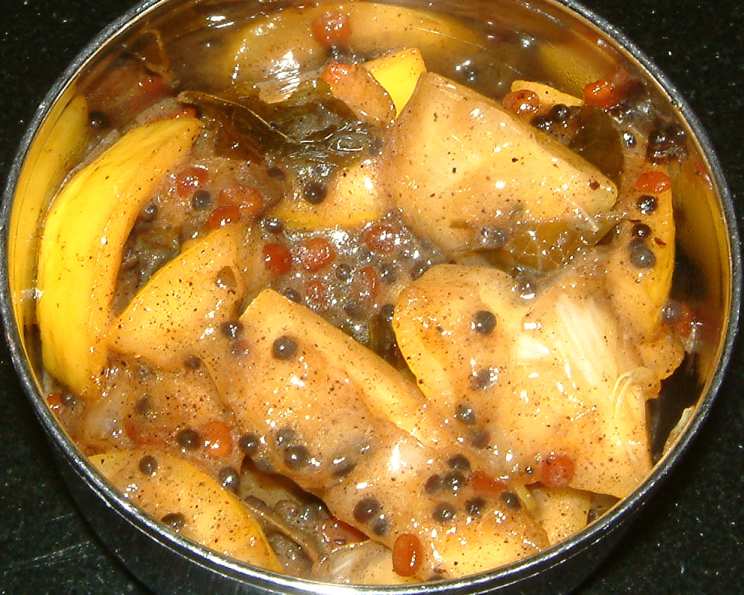
Jamie Oliver’s Zesty Lemon Pickle: A Burst of Sunshine in Every Bite
The memory is still so vivid: my grandmother, a formidable woman with an even more formidable spice cabinet, always had a jar of lemon pickle tucked away. It wasn’t some brightly colored, mass-produced thing, but a dark, intensely aromatic concoction that permeated the entire kitchen when she opened it. As a child, I was initially put off by its potent smell, but one brave taste, and I was hooked. It was a symphony of sour, spicy, and subtly bitter notes that danced on my tongue – an experience I’ve been chasing in my own cooking ever since. This recipe, inspired by Jamie Oliver’s version, comes pretty darn close to recapturing that magic.
Recipe Overview
- Prep Time: 20 minutes
- Cook Time: 20 minutes
- Total Time: 40 minutes
- Servings: Varies, approx. 1-2 cups
- Yield: 1 jar
- Dietary Type: Vegan, Gluten-Free
Ingredients
- 2 teaspoons mustard seeds
- 2 tablespoons olive oil
- A generous handful of curry leaves (fresh if possible, dried acceptable)
- 1 teaspoon urad dal (split black lentils – mung dal can be substituted)
- 1 teaspoon chili powder (adjust to your heat preference)
- 4 tablespoons wine vinegar
- 2 lemons
Equipment Needed
- Small saucepan or frying pan
- Chopping board
- Sharp knife
- Sterilized jar for storage
Instructions
- Begin by thoroughly washing the lemons. This is important as you’ll be using the entire fruit, peel and all.
- Carefully deseed the lemons. This can be a bit fiddly, but removing the seeds will prevent the pickle from becoming too bitter. Cut the lemons into bite-sized pieces, keeping the skin intact.
- Place a small saucepan or frying pan over medium heat. Add the olive oil.
- Once the oil is hot, add the mustard seeds. Listen carefully – as the seeds begin to pop, it’s time to add the curry leaves and the urad dal. Be careful, the oil may spit.
- Reduce the heat to low. Cook the mixture until the urad dal turns a golden-brown color. This may take a few minutes, so keep a close eye on it to prevent burning. If you are substituting with yellow mung dal it might be slightly larger, so cook it a little longer until softened.
- Carefully pour in the wine vinegar. The mixture will sizzle.
- Continue to cook until the dal is soft. To test for doneness, carefully remove a dal (lentil) and taste it. They should be tender, not hard.
- Add the lemon pieces and chili powder to the pan.
- Stir everything together well, ensuring the lemon pieces are coated in the spicy vinegar mixture.
- Cook for a further 2-3 minutes, allowing the lemon to soften slightly and the flavors to meld together.
- Remove the pan from the heat and allow the lemon pickle to cool completely. As it cools, the flavors will intensify and develop.
- Once cooled, transfer the pickle to a sterilized jar. Ensure the lid is airtight.
Expert Tips & Tricks
- Sterilizing your jar is crucial for preserving the pickle. You can do this by boiling the jar and lid in water for 10 minutes or running them through a hot dishwasher cycle.
- The quality of your lemons will greatly impact the final flavor. Choose lemons that are firm, heavy for their size, and have a smooth, unblemished skin.
- Don’t be afraid to adjust the chili powder to suit your personal taste. Start with a smaller amount and add more as needed.
- Patience is key. The lemon pickle will taste even better after a few days as the flavors continue to develop. Resist the urge to eat it all at once!
- If you find the pickle too bitter, you can add a teaspoon of sugar or jaggery to balance the flavors.
- Using fresh curry leaves will significantly enhance the aroma and flavor of the pickle. If you can’t find fresh, dried curry leaves will still work, but use a generous amount.
Serving & Storage Suggestions
This lemon pickle is incredibly versatile. It’s excellent served as an accompaniment to curries, adding a tangy and spicy kick. It also pairs well with grilled meats, fish, and vegetarian dishes. Try it on sandwiches or wraps for an extra burst of flavor.
Store the lemon pickle in a sealed, sterilized jar in the refrigerator. It will keep for several weeks, if not longer, thanks to the preserving properties of the vinegar and salt.
Nutritional Information
Note: Nutritional information is an estimate and may vary based on specific ingredients used.
| Nutrient | Amount per Serving | % Daily Value |
|---|---|---|
| Calories | 50 kcal | 3% |
| Total Fat | 4g | 6% |
| Saturated Fat | 0.5g | 3% |
| Cholesterol | 0mg | 0% |
| Sodium | 5mg | 0% |
| Total Carbohydrate | 4g | 1% |
| Dietary Fiber | 1g | 4% |
| Sugars | 1g | 2% |
| Protein | 0.5g | 1% |
Variations & Substitutions
- For a milder flavor, use less chili powder or remove the seeds from the chili before adding it.
- Experiment with different types of vinegar. Apple cider vinegar or rice vinegar can be used instead of wine vinegar.
- Add other spices, such as ginger, garlic, or turmeric, for a more complex flavor profile.
- If you can’t find urad dal, you can substitute it with other types of lentils, such as chana dal or toor dal. Just be sure to adjust the cooking time accordingly.
- For a sweeter pickle, add a touch of jaggery or brown sugar.
FAQs (Frequently Asked Questions)
Q: Can I use different types of lemons for this pickle?
A: While this recipe is designed for regular lemons, you could experiment with Meyer lemons for a slightly sweeter and less acidic flavor.
Q: How long will this lemon pickle last?
A: When stored properly in a sterilized jar in the refrigerator, this lemon pickle can last for several weeks or even months.
Q: Can I make this pickle without curry leaves?
A: While curry leaves add a distinctive flavor, you can omit them if necessary. The pickle will still be delicious, but the flavor profile will be slightly different.
Q: Why is it important to deseed the lemons?
A: Lemon seeds can impart a bitter flavor to the pickle, so removing them is recommended for a more pleasant taste.
Q: How can I tell if the dal is cooked properly?
A: The dal should be soft and tender when cooked. You can test it by removing one and tasting it. If it’s still hard, continue cooking for a few more minutes.
Final Thoughts
This Lemon Pickle is more than just a condiment; it’s a flavor bomb waiting to explode. It’s a testament to how simple ingredients, combined with a little patience and care, can create something truly extraordinary. I urge you to give this recipe a try, experiment with the spices, and make it your own. Share it with friends and family, and watch their faces light up with the first tangy, spicy bite. And who knows, maybe you’ll even create a lemon pickle memory as enduring as the one my grandmother gifted me.