
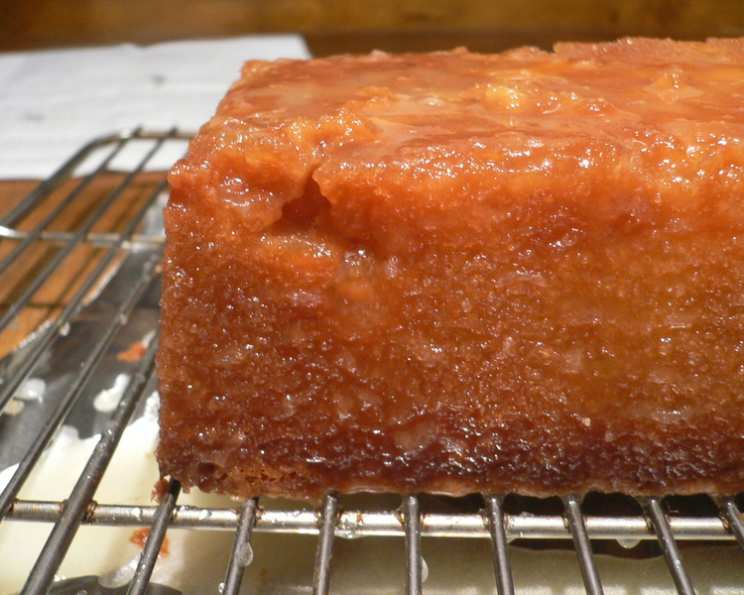
Lemon Rosemary Tea Cake: A Slice of Sunshine
The scent of lemon and rosemary mingling in the air always transports me back to my grandmother’s sun-drenched kitchen. She had a knack for creating the most delightful afternoon treats, and this Lemon Rosemary Tea Cake was a particular favorite. The subtle herbal notes paired with the bright citrus were a revelation to my young palate, and even now, one bite can evoke memories of cozy afternoons spent by her side. This cake isn’t just a recipe; it’s a little piece of my heart.
Recipe Overview
- Prep Time: 15 minutes
- Cook Time: 50-55 minutes
- Total Time: 1 hour 5-10 minutes
- Servings: 8
- Yield: 1 loaf
- Dietary Type: Vegetarian
Ingredients
Cake
- 2 cups all-purpose flour
- 1 1/2 teaspoons baking powder
- 1/4 teaspoon salt
- 2 teaspoons lemon zest, grated (or finely chopped)
- 2 teaspoons dried rosemary leaves, minced
- 1/3 cup extra light olive oil
- 1 cup granulated sugar
- 2 large eggs
- 3/4 cup low-fat buttermilk
Glaze
- 3/4 cup sifted confectioners’ sugar
- 2-3 tablespoons fresh lemon juice
Equipment Needed
- 9×5 inch loaf pan
- Medium bowl
- Large bowl
- Electric mixer (optional)
- Whisk or fork
- Rubber spatula
- Cooling rack
Instructions
- Begin by preheating your oven to 325 degrees Fahrenheit (160 degrees Celsius). This lower temperature allows the cake to bake evenly and prevents the edges from becoming overly browned before the center is cooked through.
- Prepare your 9×5 inch loaf pan by lightly oiling it. You can also dust the pan with flour or use a baking spray with flour for extra insurance against sticking.
- In a medium bowl, combine the flour, baking powder, salt, lemon zest, and minced rosemary. Stir well to blend all the dry ingredients. This ensures the baking powder is evenly distributed, leading to a consistent rise.
- In a large bowl, or using an electric mixer, beat together the olive oil and granulated sugar until the mixture is well-blended. The mixture should become lighter in color and slightly fluffy.
- Add the eggs one at a time to the oil and sugar mixture, beating well after each addition. Continue beating until the mixture becomes pale yellow in color. This step is crucial for incorporating air into the batter, which contributes to a light and tender crumb.
- Gradually add the flour mixture to the egg mixture, stirring to blend. Alternately add the buttermilk gradually, ensuring all cake ingredients are well-blended. Be careful not to overmix the batter at this stage, as this can develop the gluten in the flour and result in a tough cake. Stir just until the ingredients are combined.
- Spread the batter evenly into the prepared loaf pan. Use a spatula to ensure the batter reaches all corners of the pan.
- Bake in the preheated oven for approximately 50-55 minutes, or until the bread is golden brown and the sides begin to pull away from the pan. A toothpick inserted into the center of the cake should come out clean or with just a few moist crumbs attached.
- While the cake is baking, prepare the glaze. In a medium bowl, stir together the sifted confectioners’ sugar and fresh lemon juice until smooth. Start with 2 tablespoons of lemon juice and add more, one tablespoon at a time, until you reach your desired consistency.
- Once the loaf is done and still warm, spread the glaze evenly over the top. The warmth of the cake will help the glaze melt and create a beautiful, glossy finish.
- Allow the bread to cool thoroughly in the pan before removing it. Once completely cooled, use a knife to gently loosen the sides of the bread from the pan. Turn out the cake onto a cooling rack.
- Serve in slices and enjoy!
Expert Tips & Tricks
- Zest with Care: When zesting the lemon, be sure to only zest the outer yellow layer of the peel, avoiding the white pith underneath, which can be bitter.
- Rosemary Power: If you prefer a more pronounced rosemary flavor, lightly crush the dried rosemary leaves with your fingers before adding them to the flour mixture. This helps release their essential oils.
- Buttermilk Substitute: If you don’t have buttermilk on hand, you can make a quick substitute by adding 1 tablespoon of lemon juice or white vinegar to a measuring cup and then filling the cup to the 3/4 cup mark with milk. Let it sit for 5 minutes before using.
- Prevent Sticking: For easy release, line the loaf pan with parchment paper, leaving an overhang on the sides. After baking, you can simply lift the cake out using the parchment paper “handles.”
- Check for Doneness: If the top of the cake is browning too quickly, tent it loosely with aluminum foil during the last 15 minutes of baking.
Serving & Storage Suggestions
This Lemon Rosemary Tea Cake is perfect served as an afternoon treat with a cup of tea or coffee. It also makes a lovely addition to brunch or a light dessert after dinner. For an extra touch, serve with a dollop of whipped cream or a scoop of vanilla ice cream.
To store, wrap the cooled cake tightly in plastic wrap or place it in an airtight container. It will keep at room temperature for up to 3 days, in the refrigerator for up to 5 days, or in the freezer for up to 2 months. To thaw, transfer the frozen cake to the refrigerator overnight. You can reheat slices in the microwave for a few seconds to warm them up.
Nutritional Information
| Nutrient | Amount per Serving | % Daily Value |
|---|---|---|
| Calories | 363.9 kcal | N/A |
| Calories from Fat | 97 g | 27% |
| Total Fat | 10.8 g | 16% |
| Saturated Fat | 1.8 g | 9% |
| Cholesterol | 53.8 mg | 17% |
| Sodium | 183.5 mg | 7% |
| Total Carbohydrate | 62 g | 20% |
| Dietary Fiber | 1 g | 4% |
| Sugars | 37.4 g | 149% |
| Protein | 5.6 g | 11% |
Variations & Substitutions
- Gluten-Free: To make this cake gluten-free, substitute the all-purpose flour with a gluten-free all-purpose blend. You may also need to add a binder like xanthan gum to help with the texture.
- Citrus Twist: Experiment with other citrus fruits, such as orange or grapefruit, in place of the lemon.
- Herb Infusion: Try using different herbs, such as thyme or lavender, in place of the rosemary. Be mindful of the herb’s intensity and adjust the quantity accordingly.
- Nutty Delight: Add 1/2 cup of chopped nuts, such as almonds or walnuts, to the batter for added texture and flavor.
- Poppy Seed Power: Stir in 2 tablespoons of poppy seeds for a subtle crunch and visual appeal.
FAQs (Frequently Asked Questions)
Q: Can I use fresh rosemary instead of dried?
A: Yes, you can substitute fresh rosemary for dried rosemary. Use about 1 tablespoon of finely chopped fresh rosemary in place of 2 teaspoons of dried.
Q: My cake is sinking in the middle. What did I do wrong?
A: A sinking cake can be caused by a number of factors, including overmixing the batter, using too much baking powder, or opening the oven door too frequently during baking. Make sure to follow the recipe carefully and avoid overmixing.
Q: Can I freeze the glazed cake?
A: While you can freeze the glazed cake, the glaze may become sticky upon thawing. It’s best to freeze the cake unglazed and then add the glaze after thawing.
Q: How do I prevent the cake from sticking to the pan?
A: Make sure to thoroughly grease and flour the loaf pan, or use a baking spray with flour. Lining the pan with parchment paper is also a great way to prevent sticking.
Q: Can I make this cake ahead of time?
A: Yes, this cake can be made a day or two in advance. Store it tightly wrapped at room temperature. Add the glaze just before serving for the best results.
Final Thoughts
This Lemon Rosemary Tea Cake is more than just a recipe; it’s an invitation to create memories and share joy. Whether you’re baking it for a special occasion or simply to brighten up an ordinary afternoon, I hope this cake brings you as much pleasure as it has brought me. Don’t hesitate to experiment with variations and make it your own. And most importantly, please share your baking adventures and feedback – I’d love to hear how this recipe becomes a part of your story. Consider pairing this delightful cake with a fragrant Earl Grey tea or a refreshing glass of lemonade for the ultimate treat!