
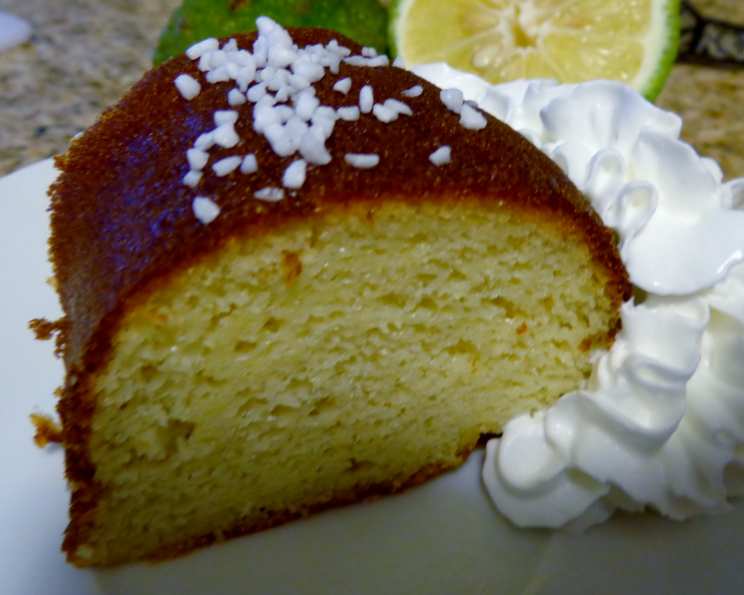
Lemon Yeast Cake: A Taste of Sunshine
My grandmother, bless her heart, wasn’t much of a baker. Her repertoire consisted mainly of sturdy, practical foods meant to fuel a family of six. But come spring, when the first Meyer lemons appeared at the market, she would attempt a cake – a Lemon Yeast Cake, to be precise. The results were often…rustic. Sometimes it was underbaked, sometimes a little too dense. Yet, there was something about that slightly imperfect, intensely lemony cake, slathered with a simple syrup, that tasted like pure sunshine and family love. This recipe, inspired by her efforts and perfected with a little modern know-how, brings that same joyful experience to my kitchen, and hopefully to yours.
Recipe Overview
- Prep Time: 25 minutes
- Rise Time: 1 hour
- Cook Time: 22-25 minutes
- Total Time: 1 hour 47-50 minutes
- Servings: 8
- Yield: 1 10-inch cake
- Dietary Type: Not specified
Ingredients
Cake:
- 2 1/4 cups unbleached all-purpose flour, divided
- 1 1/4 teaspoons instant yeast
- 1/4 cup sugar
- 1/2 teaspoon salt
- 1/2 cup warm milk
- 10 tablespoons (1 1/4 sticks) unsalted butter, melted
- 4 eggs
- 1 tablespoon lemon zest
Syrup:
- 3/4 cup sugar
- 1/2 cup water
- 1/2 cup lemon juice
Equipment Needed
- 10-inch tube pan
- Mixing bowls
- Electric mixer (stand or hand-held)
- Saucepan
- Whisk
- Cooling rack
- Parchment paper or a baking sheet
Instructions
-
Prepare the pan: Generously grease a 10-inch tube pan. This will ensure the cake releases cleanly after baking.
-
Combine dry ingredients: In a large mixing bowl, combine 3/4 cup of the flour, the instant yeast, sugar, and salt. Whisk together to ensure the ingredients are evenly distributed.
-
Combine wet ingredients and dry: In a separate bowl, combine the warm milk and melted butter. Gradually add this mixture to the flour mixture, mixing for 2 minutes with an electric mixer on medium speed. The batter will be quite liquid at this point – that’s perfectly fine.
-
Add remaining ingredients: Add the eggs, the remaining 1 1/2 cups of flour, and the lemon zest.
-
Beat the batter: Beat the batter vigorously for 2 minutes on medium-high speed. The batter will become smoother and more elastic as the gluten develops.
-
Transfer to pan: Spread the dough evenly into the prepared tube pan.
-
First Rise: Cover the pan loosely with plastic wrap or a clean kitchen towel. Let rise in a warm place for 1 hour, or until the dough has nearly doubled in volume. The ideal temperature for rising is around 75-80°F (24-27°C). Avoid placing it in a drafty area.
-
Preheat the oven: Towards the end of the cake’s rising time, preheat your oven to 375°F (190°C). Make sure the oven rack is positioned in the center.
-
Prepare the syrup: While the oven is preheating, combine the sugar and water in a medium saucepan. Bring the mixture to a boil over medium-high heat, stirring to dissolve the sugar.
-
Simmer the syrup: Simmer the syrup for about 10 minutes, or until it thickens slightly. It should coat the back of a spoon.
-
Add lemon juice: Remove the syrup from the heat and stir in the lemon juice. Set aside.
-
Bake the cake: Bake the cake for 22-25 minutes, or until a cake tester inserted into the center comes out clean. The cake should be golden brown and spring back lightly when touched.
-
Cool slightly: Remove the cake from the oven and let it cool in the pan for 5 minutes.
-
Syrup application: While the cake is still warm, brush half of the syrup evenly over the top surface of the cake.
-
Invert and cool completely: Turn the cake out onto a wire rack set over parchment paper or a baking sheet (to catch drips). Brush the remaining syrup over the newly exposed bottom crust.
-
Final Cooling: Turn the cake right side up onto a serving plate and cool completely before serving.
Expert Tips & Tricks
- Don’t overheat the milk: The milk should be warm, not hot. Too hot milk will kill the yeast. Aim for a temperature of around 105-115°F (40-46°C).
- Zest carefully: When zesting the lemon, avoid the white pith underneath the zest, as it can be bitter.
- Proof the Yeast (Optional): If you’re unsure about the potency of your yeast, proof it first. Combine the yeast with a tablespoon of sugar and 1/4 cup of warm water. Let it sit for 5-10 minutes. If it foams up, it’s active and ready to use.
- Even Baking: If your oven tends to bake unevenly, rotate the cake halfway through the baking time for even browning.
- Prevent Sticking: Even with a greased pan, you can line the bottom with parchment paper for extra insurance against sticking. Cut a circle of parchment paper to fit the bottom of the pan before greasing.
- Adjust Sweetness: If you prefer a less sweet cake, reduce the amount of sugar in the syrup by a tablespoon or two.
- Lemon Extract Boost: For an extra boost of lemon flavor, add 1/2 teaspoon of lemon extract to the batter along with the zest.
Serving & Storage Suggestions
This Lemon Yeast Cake is delicious served on its own, but it truly shines when paired with fresh berries and a dollop of whipped cream or mascarpone cheese. A light dusting of powdered sugar adds an elegant touch.
Storage:
- Room Temperature: The cake can be stored at room temperature in an airtight container for up to 2 days.
- Refrigerator: For longer storage, keep it in the refrigerator for up to 5 days.
- Freezer: The cake freezes well. Wrap it tightly in plastic wrap and then in foil. Freeze for up to 2 months. Thaw overnight in the refrigerator before serving.
Reheating:
- If refrigerated, bring the cake to room temperature before serving. You can also warm individual slices in the microwave for a few seconds.
Nutritional Information
(Estimated per serving)
| Nutrient | Amount per Serving | % Daily Value |
|---|---|---|
| Calories | 393.5 kcal | N/A |
| Total Fat | 17.2 g | 26% |
| Saturated Fat | 10 g | 49% |
| Cholesterol | 131.2 mg | 43% |
| Sodium | 184.7 mg | 7% |
| Total Carbohydrate | 53.4 g | 17% |
| Dietary Fiber | 1.2 g | 4% |
| Sugars | 25.6 g | N/A |
| Protein | 7.2 g | 14% |
Note: Nutritional information is an estimate and may vary based on ingredient substitutions and specific brands used.
Variations & Substitutions
- Orange Yeast Cake: Substitute orange zest and orange juice for the lemon zest and lemon juice in the recipe.
- Gluten-Free: Use a gluten-free all-purpose flour blend in place of the regular flour. You may need to add a binder like xanthan gum to improve the texture.
- Dairy-Free: Use a plant-based milk like almond milk or soy milk and a vegan butter substitute in the cake.
- Poppy Seed Lemon Cake: Add 2 tablespoons of poppy seeds to the batter along with the lemon zest.
- Different Pan: While a tube pan is traditional, you could bake this in a bundt pan.
FAQs (Frequently Asked Questions)
Q: Why is my cake dry?
A: Overbaking is the most common cause of a dry cake. Make sure to check for doneness at the minimum baking time and avoid overbaking. Additionally, ensure your oven temperature is accurate.
Q: My cake didn’t rise properly. What went wrong?
A: There are several reasons why a yeast cake might not rise. The yeast could be old or inactive, the milk might have been too hot and killed the yeast, or the rising environment might have been too cold.
Q: Can I make this cake ahead of time?
A: Yes, this cake can be made a day or two in advance. Store it tightly wrapped at room temperature or in the refrigerator.
Q: Can I use regular active dry yeast instead of instant yeast?
A: Yes, but you’ll need to activate the yeast first. Combine it with 1/4 cup of warm water and a teaspoon of sugar and let it sit for 5-10 minutes until foamy before adding it to the batter.
Q: The syrup is too thick/thin. How can I adjust it?
A: If the syrup is too thick, add a tablespoon or two of water and stir. If it’s too thin, simmer it for a few more minutes until it reaches the desired consistency.
Final Thoughts
I hope you’ll give this Lemon Yeast Cake a try. It’s a delightful treat that’s perfect for spring and summer gatherings, afternoon tea, or simply a sweet ending to any meal. The bright, zesty flavor is sure to brighten your day. I encourage you to experiment with the variations and make it your own. If you bake it, please share your results! I’d love to hear how it turns out for you and what variations you tried. Enjoy!