
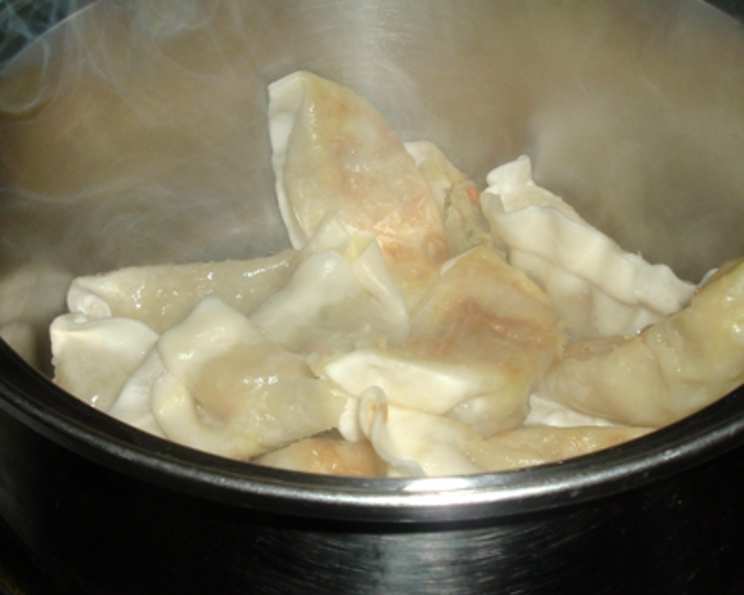
Lemongrass Gyoza (Pot Stickers/Dumplings)
The memory is as vivid as if it were yesterday: a bustling night market in Bangkok, the air thick with the aroma of a hundred different spices. But one scent cut through the noise, a bright, citrusy fragrance that led me straight to a tiny stall. There, a wizened woman with a smile as warm as the tropical sun was frying gyoza until golden brown, the lemongrass in the filling singing a siren song. Each bite was an explosion of flavor – savory, tangy, and subtly sweet – a perfect harmony that I’ve been chasing ever since. This recipe is my attempt to capture that magic, to bring a little piece of Thailand into my own kitchen.
Recipe Overview
- Prep Time: 25 minutes
- Cook Time: 15 minutes
- Total Time: 40 minutes
- Servings: 10
- Yields: 50 dumplings
- Dietary Type: Vegan
Ingredients
- 1 stalk lemongrass
- 1 garlic clove, chopped
- 2 teaspoons fresh ginger, chopped
- 1/3 cup miso soup
- 1 onion, sliced
- 1 carrot, grated
- 1 red bell pepper, chopped
- 1 cup bean sprouts
- 12 ounces tempeh, crumbled
- 1/3 cup soy sauce
- 1/3 cup rice vinegar
- 1 teaspoon red pepper flakes
- 2 tablespoons maple syrup
- 2 ounces cellophane noodles, cooked (optional)
- 2 scallions, chopped
- 1 lb dumpling wrappers
Equipment Needed
- Wok or large frying pan
- Steamer basket or bamboo steamer
- Cutting board
- Knife
- Mixing bowl
Instructions
-
Begin by preparing the aromatic base. Heat your wok or large frying pan over medium-high heat. Add a bit of oil (vegetable or canola work well) and stir-fry the lemongrass, garlic, and ginger for about one minute, until fragrant. Be careful not to burn the garlic; keep it moving.
-
Introduce the onion and miso soup to the wok. Simmer the mixture for 5 minutes, allowing the onion to soften and the flavors to meld. The miso soup adds a subtle umami depth that complements the lemongrass beautifully.
-
Add the carrot, bean sprouts, red bell pepper, and tempeh to the wok. Cook for 2-3 minutes, stirring frequently to prevent sticking. The goal is to soften the vegetables slightly while still retaining their vibrant colors and textures.
-
Pour in the soy sauce, rice vinegar, red pepper flakes, and maple syrup. Stir well to combine all the ingredients, then add the cooked cellophane noodles (if using). Mix thoroughly to coat the noodles evenly with the flavorful sauce.
-
Stir in the scallions and cook for one minute more. The scallions will add a fresh, bright note to the filling. Remove the wok from the heat and allow the mixture to cool slightly before assembling the dumplings.
-
Now, it’s time to assemble the gyoza. Place about 1 tablespoon of the filling into the center of each dumpling wrapper.
-
Moisten the edges of the wrapper. Using soymilk or an egg substitute works better than water for creating a strong seal.
-
Fold the wrapper in half to form a half-moon shape, and then pleat one side of the wrapper while pressing firmly to seal. This creates the classic gyoza shape and helps prevent the filling from leaking out during steaming. If you are unfamiliar with pleating, you can simply press the edges together to seal.
-
Once all the gyoza are assembled, it’s time to steam them. Bring a pot of water to a boil and place the gyoza in a steamer basket or bamboo steamer lined with parchment paper or cabbage leaves to prevent sticking.
-
Steam the gyoza for about 3 minutes, or until the wrappers are translucent and the filling is heated through. Be careful not to overcook them, or the wrappers may become too soft and fall apart.
Expert Tips & Tricks
- Make-Ahead Magic: Prepare the filling a day in advance to allow the flavors to deepen. Store it in an airtight container in the refrigerator.
- Sealing Secrets: For a super-secure seal, whisk a little cornstarch into your soymilk or egg substitute before using it to moisten the edges of the wrappers.
- Browning Boost: For extra-crispy bottoms, pan-fry the steamed gyoza in a little oil for a minute or two after steaming. This “pot sticker” method adds a delightful textural contrast.
- Spice It Up: Adjust the amount of red pepper flakes to suit your heat preference. A pinch of chili oil can also add a nice kick.
- Flavor Enhancement: For a deeper, more complex flavor, add a teaspoon of toasted sesame oil to the filling during the final stages of cooking.
Serving & Storage Suggestions
Serve your lemongrass gyoza hot, straight from the steamer. Arrange them attractively on a plate and garnish with extra scallions and a drizzle of sesame oil. They’re delicious on their own or served with a dipping sauce of soy sauce, rice vinegar, and a touch of chili oil.
Leftover gyoza can be stored in an airtight container in the refrigerator for up to 3 days. To reheat, steam them again for a few minutes or pan-fry them until heated through. You can also freeze uncooked gyoza for longer storage. Arrange them in a single layer on a baking sheet and freeze until solid, then transfer them to a freezer bag. Cook them directly from frozen, adding a few extra minutes to the steaming time.
Nutritional Information
| Nutrient | Amount per Serving | % Daily Value |
|---|---|---|
| Calories | 229.6 kcal | N/A |
| Calories from Fat | 40 g | 18% |
| Total Fat | 4.5 g | 6% |
| Saturated Fat | 0.9 g | 4% |
| Cholesterol | 4.1 mg | 1% |
| Sodium | 804.9 mg | 33% |
| Total Carbohydrate | 36.2 g | 12% |
| Dietary Fiber | 1.8 g | 7% |
| Sugars | 4.3 g | N/A |
| Protein | 12.5 g | 24% |
Note: Nutritional information is an estimate and may vary based on specific ingredients and preparation methods.
Variations & Substitutions
- Gluten-Free Gyoza: Use gluten-free dumpling wrappers and tamari instead of soy sauce.
- Vegetable Power: Add other vegetables like mushrooms, cabbage, or spinach to the filling for added nutrients and flavor.
- Protein Boost: Substitute the tempeh with tofu or plant-based ground meat for a different protein source.
- Spicy Kick: Add a finely chopped Thai chili pepper to the filling for an extra fiery flavor.
- Dipping Sauce Delight: Experiment with different dipping sauces, such as a peanut sauce or a sweet chili sauce.
FAQs (Frequently Asked Questions)
Q: Can I use dried lemongrass instead of fresh?
A: While fresh lemongrass is ideal, you can use dried lemongrass in a pinch. Use about 1 teaspoon of dried lemongrass per stalk of fresh lemongrass called for in the recipe, and rehydrate it in warm water for a few minutes before adding it to the wok.
Q: My gyoza are sticking to the steamer. What am I doing wrong?
A: Make sure to line your steamer basket with parchment paper or cabbage leaves to prevent sticking. You can also lightly oil the bottom of the steamer basket.
Q: How do I know when the gyoza are cooked through?
A: The gyoza are cooked when the wrappers are translucent and the filling is heated through. You can also test one by cutting it open to ensure the filling is cooked through.
Q: Can I bake these gyoza instead of steaming them?
A: Steaming is the preferred method for cooking gyoza, as it results in a softer, more tender wrapper. However, you can bake them if you prefer. Bake at 375°F (190°C) for 15-20 minutes, or until golden brown.
Q: Can I freeze the cooked gyoza?
A: Yes, you can freeze cooked gyoza. Allow them to cool completely, then arrange them in a single layer on a baking sheet and freeze until solid. Transfer them to a freezer bag and store for up to 2 months. Reheat by steaming or pan-frying.
Final Thoughts
I truly hope you’ll venture into your kitchen and try these Lemongrass Gyoza. The vibrant flavors and satisfying textures make them a truly special dish. Feel free to adjust the ingredients and spices to your liking, and don’t be afraid to experiment! I’d love to hear about your experiences and any variations you come up with. These gyoza pair perfectly with a refreshing cucumber salad or a light and crisp Sauvignon Blanc. Happy cooking!