
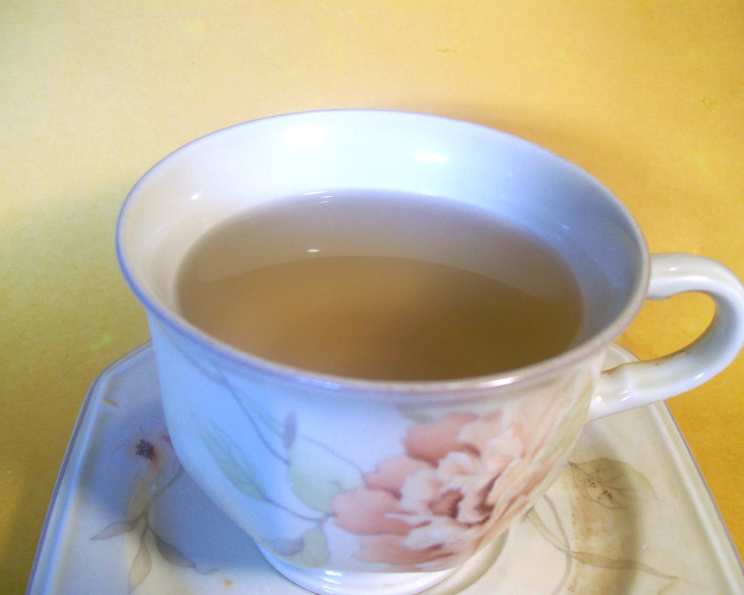
Lemongrass Tea: A Taste of Côte d’Ivoire
The scent of lemongrass always transports me back to a small, open-air market I visited years ago. The air was thick with humidity and the vibrant energy of vendors hawking their wares. Nestled amongst piles of colorful fruits and vegetables, I spotted a woman expertly peeling stalks of lemongrass, the fragrant oils releasing a citrusy perfume that mingled with the other exotic aromas. She offered me a steaming cup of her homemade tea, a simple brew that somehow captured the very essence of the place. It was the most refreshing and soothing drink I’d ever tasted, and I’ve been chasing that flavor memory ever since.
Recipe Overview
- Prep Time: 2 minutes
- Cook Time: 5 minutes
- Total Time: 7 minutes
- Servings: 1
- Dietary Type: Vegan, Gluten-Free, Dairy-Free
Ingredients
- 2 cups water, boiling
- 3-4 lemongrass stalks, peeled
- Sugar or sugar syrup, to taste
Equipment Needed
- Small 2-cup teapot (or heat-resistant vessel)
- Kettle or pot for boiling water
- Knife
- Cutting board
Instructions
-
Begin by preparing the lemongrass. Using a sharp knife and a cutting board, peel the tough outer layers of the lemongrass stalks until you reach the pale, tender core. You can gently bruise the stalks by lightly hitting them with the flat side of your knife to release even more flavor.
-
Place the prepared lemongrass into a small, 2-cup teapot or any heat-resistant vessel suitable for brewing tea.
-
Bring the water to a rolling boil. This can be done in a kettle or a saucepan on the stovetop.
-
Once the water is boiling, carefully pour it over the lemongrass in the teapot. Ensure all the lemongrass is submerged in the hot water.
-
Allow the lemongrass to steep in the hot water for approximately 5 minutes. This steeping time allows the fragrant oils and flavors of the lemongrass to infuse into the water, creating the tea. The longer you steep, the stronger the flavor will be, but be careful not to over-steep, as it can become bitter.
-
After the steeping time is complete, pour the lemongrass tea into a mug.
-
Add sugar or sugar syrup to taste. Adjust the amount of sweetener according to your preference. You can also use honey, agave nectar, or any other sweetener you enjoy. Serve hot and enjoy!
Expert Tips & Tricks
- Bruising the Lemongrass: Gently bruising the lemongrass stalks before steeping releases more of its essential oils, resulting in a more flavorful and aromatic tea. You can do this by lightly pounding the stalks with the flat side of a knife or by gently rolling them between your hands.
- Fresh vs. Dried Lemongrass: While fresh lemongrass is ideal for its vibrant flavor, you can also use dried lemongrass. If using dried, start with about 1-2 teaspoons per cup of water, and adjust to taste. Keep in mind that dried lemongrass will have a less intense flavor than fresh.
- Flavor Infusions: Experiment with adding other herbs and spices to complement the lemongrass flavor. Ginger, mint, and citrus peels are all excellent additions.
- Adjusting Strength: For a stronger lemongrass flavor, use more lemongrass stalks or increase the steeping time. For a milder flavor, use fewer stalks or reduce the steeping time. Taste the tea periodically during steeping to achieve your desired strength.
- Making a Concentrate: You can create a concentrated lemongrass tea by using less water and more lemongrass. Steep for a longer period and then dilute the concentrate with hot or cold water to your desired strength. This is a great option for making iced lemongrass tea or adding it to other beverages.
Serving & Storage Suggestions
Serve lemongrass tea hot in your favorite mug, preferably immediately after brewing to enjoy its peak flavor and aroma. Garnish with a sprig of fresh lemongrass or a slice of lemon for an added touch of elegance.
Storage: Leftover lemongrass tea can be stored in the refrigerator for up to 24 hours. However, the flavor may diminish slightly over time. Reheat gently on the stovetop or in the microwave before serving. Note that storing the tea with the lemongrass stalks still in it may lead to a slightly more bitter flavor as it continues to steep.
Nutritional Information
Please note that the following values are estimates and can vary based on the amount of sweetener used.
| Nutrient | Amount per Serving | % Daily Value |
|---|---|---|
| Calories | 5 kcal | 0% |
| Total Fat | 0g | 0% |
| Saturated Fat | 0g | 0% |
| Cholesterol | 0mg | 0% |
| Sodium | 1mg | 0% |
| Total Carbohydrate | 1g | 0% |
| Dietary Fiber | 0g | 0% |
| Sugars | 0g | 0% |
| Protein | 0g | 0% |
Variations & Substitutions
- Iced Lemongrass Tea: Brew a strong batch of lemongrass tea, let it cool, and then pour it over ice. Add a squeeze of lemon or lime for extra zing.
- Lemongrass & Ginger Tea: Add a few slices of fresh ginger to the teapot along with the lemongrass for a warming and spicy twist.
- Lemongrass & Mint Tea: Add a few fresh mint leaves to the teapot for a refreshing and cooling flavor.
- Lemongrass & Honey Tea: Substitute sugar with honey for a more natural and subtly floral sweetness.
- Sparkling Lemongrass Tea: Add sparkling water or club soda to cooled lemongrass tea for a bubbly and refreshing drink.
- Lemongrass & Green Tea: Combine lemongrass with your favorite green tea for an antioxidant-rich and flavorful beverage. Use approximately 1 teaspoon of green tea leaves along with the lemongrass stalks.
- Citrus Boost: Add a thin slice of lemon, lime, or orange to the tea while it steeps to enhance the citrus notes. Be careful not to add too much citrus peel, as it can make the tea bitter.
FAQs (Frequently Asked Questions)
Q: Can I use dried lemongrass instead of fresh?
A: Yes, you can. Use about 1-2 teaspoons of dried lemongrass per cup of water, but the flavor will be less intense than fresh lemongrass.
Q: How long should I steep the lemongrass tea?
A: Steep the lemongrass for about 5 minutes. Steeping longer can result in a slightly bitter taste.
Q: Can I add other ingredients to the tea?
A: Absolutely! Ginger, mint, citrus peels, and other herbs and spices can complement the lemongrass flavor beautifully.
Q: Is lemongrass tea good for you?
A: Lemongrass tea is known for its digestive and anti-inflammatory properties. It’s often used to soothe stomachaches and fevers, as mentioned in “The Africa Cookbook.”
Q: Can I make a big batch of this tea and store it?
A: Yes, you can make a larger batch and store it in the refrigerator for up to 24 hours. However, the flavor may diminish over time, and prolonged steeping can lead to a more intense flavor, so remove the lemongrass after brewing.
Final Thoughts
Lemongrass tea is more than just a beverage; it’s a fragrant journey to sun-drenched lands and bustling markets. Whether you’re seeking a soothing digestive aid, a refreshing pick-me-up, or simply a moment of tranquility, this simple brew offers a delightful escape. I encourage you to experiment with the variations and make it your own. Don’t be afraid to share your creations and feedback – and perhaps even a virtual cup of tea! Cheers to exploring the world, one sip at a time.