
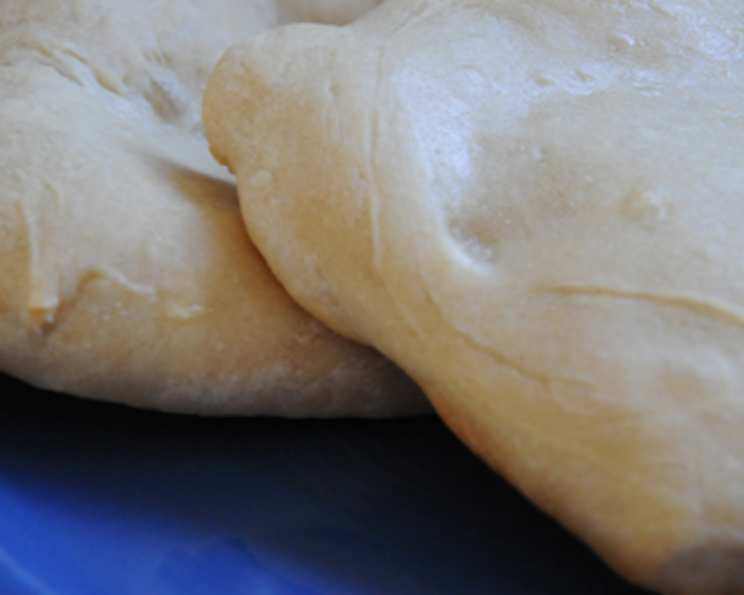
Lepinje: A Taste of Bosnian Hospitality
The first time I tasted Lepinje, I wasn’t in a restaurant or a bakery. I was sitting at a weathered wooden table in the garden of a home in Sarajevo, surrounded by the fragrant blossoms of a lilac bush. My host, a kind woman named Fatima, had just pulled a basket of these warm, pillowy breads from her wood-fired oven. The aroma alone was intoxicating – a blend of toasted wheat and subtle sweetness. Tearing off a piece, I savored the soft, slightly chewy texture and the delicate, slightly tangy flavor. Served alongside grilled ćevapi and a dollop of kajmak, it was a simple yet unforgettable meal – a true taste of Bosnian hospitality.
Recipe Overview
- Prep Time: 2 hours 5 minutes
- Cook Time: 15-20 minutes
- Total Time: 2 hours 20-25 minutes
- Servings: 4-6
- Yield: 4 Lepinje
- Dietary Type: Vegetarian
Ingredients
- 2 cups bread flour
- 2 ½ teaspoons active dry yeast
- 1 ½ teaspoons salt
- 1 teaspoon sugar
- Water (about 1 cup, but only add enough to make the dough a slightly sticky texture)
Equipment Needed
- Large mixing bowl
- Measuring cups and spoons
- Clean kitchen towel
- Plastic wrap
- Floured surface
- Rolling pin
- Greased baking sheet
Instructions
-
Begin by proofing the yeast. In a small bowl, combine the active dry yeast, sugar, and about ½ cup of lukewarm water. Stir gently and let it sit for 5-10 minutes, or until the yeast becomes foamy. This step is crucial to ensure the yeast is active and will properly leaven the dough.
-
While the yeast is proofing, prepare the dry ingredients. In a large mixing bowl, whisk together the bread flour and salt.
-
Once the yeast mixture is foamy, pour it into the bowl with the dry ingredients. Add another ½ cup of water.
-
Mix the ingredients well. Use your hands or a stand mixer with a dough hook attachment to combine everything. Gradually add more water, a tablespoon at a time, until the dough comes together. The dough should be slightly sticky to the touch, but not overly wet. Remember, you may need more or less water than the recipe specifies, depending on the humidity and the type of flour you are using.
-
Turn the dough out onto a lightly floured surface and knead for 5 minutes. Kneading develops the gluten in the flour, which gives the Lepinje its characteristic chewy texture.
-
Shape the dough into a ball and place it in a large bowl that has been lightly greased with olive oil. This will prevent the dough from sticking to the bowl as it rises.
-
Cover the bowl with plastic wrap and a clean kitchen towel. Place the bowl in a warm place and let the dough rise for 1 hour, or until it has doubled in size. This is the first rise, and it’s important for developing the flavor and texture of the bread.
-
Once the dough has doubled, gently punch it down to release the air. Turn it out onto a floured surface and knead for another minute.
-
Divide the dough into four equal balls. Brush each ball lightly with olive oil.
-
Cover the dough balls with plastic wrap and a clean kitchen towel and let them rest for 10-15 minutes. This resting period allows the gluten to relax, making the dough easier to roll out.
-
Using a floured rolling pin, roll each dough ball into a circle that is approximately the thickness of an extra-thick pizza crust. Aim for a uniform thickness to ensure even baking.
-
Transfer the rolled-out dough circles to a greased baking sheet. Brush the tops with a bit more olive oil.
-
Cover the baking sheet with plastic wrap and a clean kitchen towel and let the dough rest for another 30 minutes. This is the second rise, which gives the Lepinje its final light and airy texture.
-
Meanwhile, preheat your oven to 400 degrees Fahrenheit (200 degrees Celsius).
-
When the dough has rested for 30 minutes, remove the towel and plastic wrap. Place the baking sheet with the Lepinje dough in the preheated oven.
-
Bake for 10 minutes, then reduce the heat to 350 degrees Fahrenheit (175 degrees Celsius) and bake for another 5-10 minutes, or until the Lepinje are golden brown and slightly puffed up. Keep a close eye on them during the final minutes of baking to prevent burning.
-
Remove the Lepinje from the oven and let them cool slightly on a wire rack before serving.
Expert Tips & Tricks
- For a richer flavor, use a combination of bread flour and whole wheat flour.
- If your dough is too sticky, add a little more flour, one tablespoon at a time, until it reaches the desired consistency.
- To achieve a more authentic flavor, bake the Lepinje on a pizza stone or baking steel. Preheat the stone or steel in the oven for at least 30 minutes before baking.
- For a softer crust, brush the baked Lepinje with melted butter or olive oil immediately after removing them from the oven.
- If you don’t have time for a second rise, you can skip it, but the Lepinje will be slightly denser.
Serving & Storage Suggestions
Lepinje is traditionally served warm, alongside grilled meats like ćevapi or pljeskavica, as well as with spreads like ajvar (roasted red pepper relish) or kajmak (a type of clotted cream). It’s also delicious simply on its own, dipped in olive oil or sprinkled with herbs.
Leftover Lepinje can be stored at room temperature in an airtight container for up to 2 days. For longer storage, wrap them tightly in plastic wrap and freeze them for up to 2 months. To reheat, thaw the Lepinje completely and then warm them in a preheated oven or toaster oven until heated through. You can also lightly grill them for a slightly crispy texture.
Nutritional Information
| Nutrient | Amount per Serving | % Daily Value |
|---|---|---|
| Calories | 239.7 kcal | – |
| Calories from Fat | 7 g | 3% |
| Total Fat | 0.8 g | 1% |
| Saturated Fat | 0.1 g | 0% |
| Cholesterol | 0 mg | 0% |
| Sodium | 874.6 mg | 36% |
| Total Carbohydrate | 49.8 g | 16% |
| Dietary Fiber | 2.4 g | 9% |
| Sugars | 1.2 g | 4% |
| Protein | 7.5 g | 14% |
Note: Nutritional information is an estimate and may vary based on specific ingredients and preparation methods.
Variations & Substitutions
- Gluten-Free Lepinje: Use a gluten-free bread flour blend and follow the recipe as directed. You may need to adjust the amount of water to achieve the right dough consistency.
- Whole Wheat Lepinje: Substitute up to half of the bread flour with whole wheat flour for a nuttier flavor and increased fiber content.
- Herb-Infused Lepinje: Add chopped fresh herbs, such as rosemary, thyme, or oregano, to the dough for a fragrant and flavorful twist.
- Garlic Lepinje: Brush the baked Lepinje with garlic-infused olive oil for a savory treat.
- Seed-Topped Lepinje: Sprinkle the Lepinje with sesame seeds, poppy seeds, or sunflower seeds before baking for added texture and flavor.
FAQs (Frequently Asked Questions)
Q: Why is my Lepinje dough so sticky?
A: Lepinje dough is meant to be slightly sticky, but if it’s excessively sticky, it could be due to the type of flour you’re using or the humidity in your environment. Try adding a tablespoon of flour at a time until the dough becomes manageable.
Q: Can I use instant yeast instead of active dry yeast?
A: Yes, you can substitute instant yeast for active dry yeast. You don’t need to proof instant yeast separately. Simply add it to the dry ingredients along with the flour and salt.
Q: How do I get the Lepinje to puff up during baking?
A: A hot oven and a good second rise are key to achieving a puffed-up Lepinje. Make sure your oven is properly preheated and that the dough has had enough time to rest and rise before baking.
Q: Can I freeze Lepinje dough?
A: Yes, you can freeze Lepinje dough. After the first rise, punch down the dough, divide it into individual portions, and wrap each portion tightly in plastic wrap. Freeze for up to 2 months. Thaw the dough completely in the refrigerator before rolling it out and baking.
Q: What is the best way to reheat Lepinje?
A: The best way to reheat Lepinje is in a preheated oven or toaster oven. This will help to restore its texture and flavor. You can also lightly grill it for a slightly crispy texture.
Final Thoughts
Making Lepinje at home is a rewarding experience. The process of kneading the dough, watching it rise, and then savoring the warm, freshly baked bread is incredibly satisfying. While it takes a little time and effort, the results are well worth it. I hope you’ll give this recipe a try and experience the authentic taste of Bosnian hospitality for yourself. Don’t hesitate to experiment with different variations and fillings to create your own unique version of this beloved bread. Dobar tek! (Bon appétit!)