
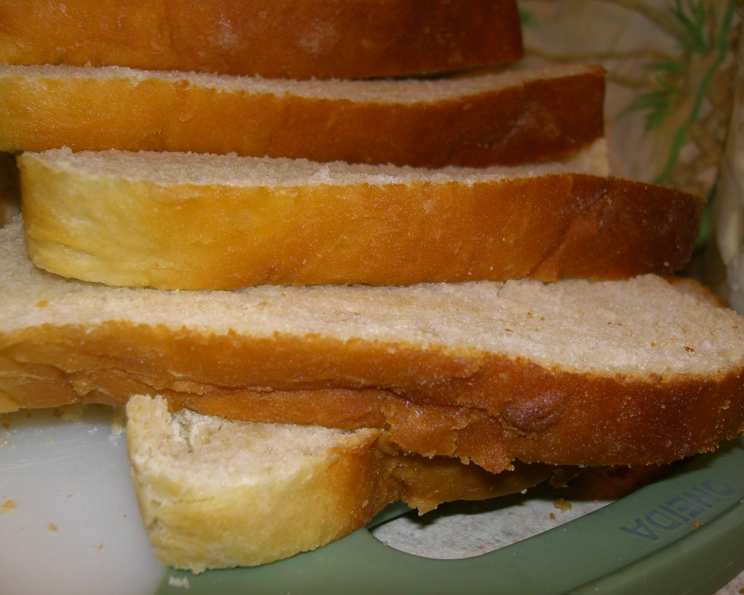
Light (Almost Airy) Sourdough Bread
The scent of sourdough baking always transports me back to my grandmother’s kitchen. She had a knack for coaxing the most incredible aromas and textures out of simple ingredients. I remember standing on a stool beside her, watching in awe as she kneaded the dough with her strong, weathered hands. The warmth of the oven, the tangy aroma filling the air – these are sensory memories I cherish, and ones I try to recreate every time I bake sourdough. There’s something truly magical about transforming a humble mixture of flour, water, and starter into a golden, crusty loaf of bread that nourishes both body and soul.
Recipe Overview
- Prep Time: 20 minutes
- Rise Time: 1-3 hours
- Cook Time: 40-50 minutes
- Total Time: 4 hours 20 minutes (including rise time)
- Yield: 2 loaves
- Servings: 12
Ingredients
- 1 cup sourdough starter
- 1 cup warm water
- 1/3 cup sugar, to taste (adjust to preference)
- 2 1/4 teaspoons yeast (or 1 packet)
- 1 dash salt
- 3 tablespoons melted butter
- 3 cups flour
- 1/2 – 1 cup additional flour, for kneading
- 2 tablespoons butter, for brushing
Equipment Needed
- Large bowl
- Measuring cups and spoons
- Loaf pan(s)
- Lightweight towel or paper towel
- Oven
- Thermometer (optional)
- Electric knife (optional)
Instructions
- Proof the yeast: In a warm bowl, pour in the warm water. Sprinkle the sugar over the water and stir to combine. Sprinkle the yeast over the sugared water. Let it sit undisturbed for 10-15 minutes, allowing it to bubble and froth, indicating the yeast is active.
- Combine ingredients: Add the sourdough starter to the proofed yeast mixture, along with the salt and melted butter. Stir well to combine.
- Incorporate the flour: Gradually stir in the 3 cups of flour. If your starter is very thin, you may need to add a bit more flour. The dough should be soft but manageable.
- Knead the dough: Turn the dough out onto a lightly floured surface. Knead for about 5 minutes, until the dough becomes smooth and elastic. Add additional flour, a little at a time, as needed to prevent sticking.
- Shape and place in pan: Form the dough into a roll and place it in a well-greased loaf pan or two (depending on the size of your pan(s)).
- First Rise: Cover the loaf (or loaves) with a lightweight towel or paper towel and allow it to rise in a warm place. A great trick is to preheat your oven to a “warm” setting for just 5 minutes, then turn it off and place the bread inside to rise. This can take anywhere from 1-3 hours, depending on the strength of your starter and the ambient temperature. The loaf is ready when it begins to peak over the top edge of the pan.
- Preheat oven: Preheat your oven to 375°F (190°C).
- Initial Bake: Bake the bread for about 10 minutes, or until the crust has reached your desired color.
- Tent with foil: Cover the loaf loosely with a tinfoil tent to prevent the crust from burning while allowing the bread to continue rising.
- Final Bake: Bake for an additional 30-40 minutes, until the loaf is done. The internal temperature should be 190-200°F (88-93°C), and it should sound hollow when tapped on the bottom. Using a thermometer is a simple way to check for doneness without removing the loaf from the oven.
- Butter the crust: Immediately brush the top of the baked loaf with butter to keep the crust moist and add a rich flavor.
- Cool and slice: Allow the bread to cool slightly before slicing. An electric knife works well for creating beautiful, even slices.
Expert Tips & Tricks
- Starter Strength: The key to a good sourdough is a vibrant starter. If your starter is sluggish, try feeding it regularly for a few days before baking.
- Kneading: Don’t over-knead the dough. Over-kneading can result in a tough loaf. Aim for a smooth and elastic dough.
- Rise Time: Rise time varies depending on temperature and starter activity. Be patient and let the dough rise fully.
- Oven Temperature: Oven temperatures can vary, so keep an eye on the bread while it’s baking and adjust the baking time accordingly.
- Steam: For a crispier crust, try adding a pan of hot water to the bottom of the oven during the first 10 minutes of baking. This creates steam, which helps the crust to develop.
- Sugar Adjustment: The amount of sugar can be adjusted to your preference. Use less if you prefer a less sweet sourdough.
Serving & Storage Suggestions
Serve this light sourdough bread warm, sliced, and with a generous spread of butter. It’s also fantastic for making sandwiches, toast, or croutons. Store leftover bread in an airtight container at room temperature for up to 3 days. For longer storage, wrap the bread tightly in plastic wrap and freeze it for up to 2 months. To reheat, thaw the bread completely and then bake it in a preheated oven at 350°F (175°C) for 10-15 minutes, or until warmed through.
Nutritional Information
| Nutrient | Amount per Serving | % Daily Value |
|---|---|---|
| Calories | 199.1 kcal | N/A |
| Calories from Fat | N/A | N/A |
| Total Fat | 5.2 g | 8% |
| Saturated Fat | 3.1 g | 15% |
| Cholesterol | 12.7 mg | 4% |
| Sodium | 56.9 mg | 2% |
| Total Carbohydrate | 33.7 g | 11% |
| Dietary Fiber | 1.2 g | 4% |
| Sugars | 5.6 g | N/A |
| Protein | 4.1 g | 8% |
Note: Nutritional information is an estimate and may vary depending on specific ingredients and preparation methods.
Variations & Substitutions
- Whole Wheat Sourdough: Replace some of the all-purpose flour with whole wheat flour for a nuttier flavor and added fiber.
- Herb-Infused Sourdough: Add fresh herbs like rosemary, thyme, or oregano to the dough for a fragrant twist.
- Cheese Sourdough: Incorporate shredded cheese, such as cheddar or Parmesan, into the dough for a savory treat.
- Garlic Sourdough: Add roasted garlic cloves to the dough for a flavorful and aromatic bread.
- Sweet Sourdough: Experiment with adding dried fruits like raisins, cranberries, or apricots to the dough for a sweeter bread.
FAQs (Frequently Asked Questions)
Q: Can I use active dry yeast instead of instant yeast?
A: Yes, you can use active dry yeast. Proof it in the warm water with sugar for a few extra minutes to ensure it’s active before adding it to the other ingredients.
Q: My sourdough isn’t rising. What could be the problem?
A: Several factors can affect rising. Make sure your yeast is fresh and active, your starter is healthy, and the dough is in a warm enough environment.
Q: Can I make this dough in a bread machine?
A: While the original author hasn’t tried it, this recipe may be adaptable for a bread machine. Follow your bread machine’s instructions for sourdough bread.
Q: How do I know when the bread is fully baked?
A: The best way to ensure the bread is fully baked is to check the internal temperature with a thermometer. It should reach 190-200°F (88-93°C). You can also tap the bottom of the loaf; it should sound hollow.
Q: Can I freeze the sourdough starter?
A: Yes, you can freeze sourdough starter for longer storage. Thaw it in the refrigerator overnight before using, and feed it a few times to reactivate it.
Final Thoughts
This light and airy sourdough bread is a testament to the magic of simple ingredients and patient baking. The slight tang from the sourdough starter, combined with the subtle sweetness, creates a loaf that’s both satisfying and versatile. Whether you’re a seasoned baker or just starting out, I encourage you to give this recipe a try. Share your creations with friends and family, and savor the joy of homemade bread. And don’t hesitate to experiment with variations and substitutions to make it your own signature sourdough.