
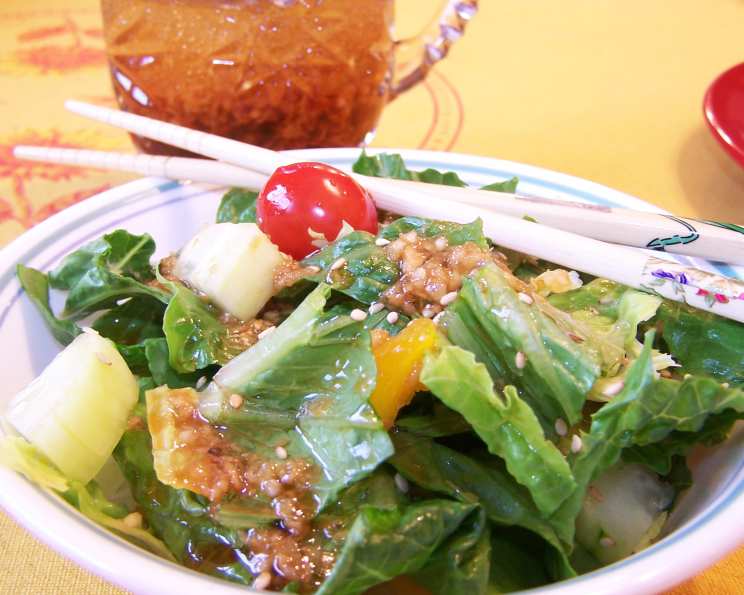
Light Asian Salad Dressing
My earliest memories of Asian cuisine are filled with the vibrant, tangy flavors that danced across my palate with every bite. There was one particular salad dressing, served at a local family-run restaurant, that I simply couldn’t get enough of. Its delicate balance of sweet, savory, and zesty notes elevated even the simplest greens into a culinary experience. I’ve spent years trying to recreate that elusive dressing, and while I can’t say this is exactly it, this recipe comes incredibly close, and it’s become a staple in my kitchen.
Recipe Overview
- Prep Time: 5 minutes
- Cook Time: 0 minutes
- Total Time: 5 minutes
- Servings: 8
- Yields: 2 tablespoons
- Dietary Type: Vegetarian, Gluten-Free (check soy sauce label)
Ingredients
- ¼ cup rice wine vinegar
- ⅛ cup low sodium soy sauce
- ½ cup oil (I use Smart Balance)
- 1 tablespoon sugar (I use Truvia)
- 1 tablespoon garlic
- 1 tablespoon ginger (powdered or fresh, grated finely)
Equipment Needed
- Small mixing bowl or salad dressing shaker
- Measuring cups and spoons
- Grater (if using fresh ginger)
- Whisk or fork (if using a bowl)
Instructions
- Begin by gathering all your ingredients. This ensures a smooth and efficient mixing process.
- In a small mixing bowl, combine the rice wine vinegar and low sodium soy sauce.
- Add the oil to the bowl. I personally prefer Smart Balance oil for its lighter flavor profile, but other neutral oils like canola or vegetable oil will work perfectly well.
- Incorporate the sugar (or Truvia, as I often use). If using Truvia, ensure it dissolves completely by whisking vigorously.
- Add the garlic. If using fresh garlic, mince it finely for optimal flavor distribution. Pre-minced garlic also works, but the flavor is often less potent.
- Introduce the ginger. Whether you choose powdered ginger or fresh grated ginger is up to your preference. Fresh ginger provides a more intense and vibrant flavor, while powdered ginger offers convenience and a slightly milder taste. If using fresh, grate it finely using a microplane or the finest setting on a grater.
- Now, it’s time to mix everything together. If using a bowl, whisk all the ingredients until they are well combined and the sugar is completely dissolved. If you have a salad dressing shaker, simply add all the ingredients to the shaker, seal it tightly, and shake vigorously for about 30 seconds until the dressing is emulsified.
- Taste the dressing and adjust the seasonings as needed. You might want to add a pinch more sugar for sweetness, a splash more rice wine vinegar for tanginess, or a dash of soy sauce for saltiness.
- The dressing is now ready to use immediately or store for later.
Expert Tips & Tricks
- Emulsification is Key: For a well-blended dressing that doesn’t separate too quickly, slowly drizzle the oil into the other ingredients while whisking constantly. This helps create a stable emulsion.
- Garlic Breath Be Gone: If you’re concerned about garlic breath, consider using roasted garlic instead of raw. Roasting mellows the garlic’s pungency while still retaining its flavor.
- Ginger Zing: To intensify the ginger flavor, lightly bruise the fresh ginger before grating it. This releases more of its essential oils.
- Sweetness Adjustment: If you prefer a less sweet dressing, start with a smaller amount of sugar and gradually add more to taste. You can also use honey or maple syrup as a natural alternative.
- Acid Balance: Rice wine vinegar can vary in acidity. Taste and adjust the amount to achieve your desired level of tanginess. Lemon or lime juice can be used if you don’t have rice wine vinegar.
Serving & Storage Suggestions
This Light Asian Salad Dressing is incredibly versatile. It pairs beautifully with a variety of salads, from simple mixed greens to more elaborate creations with grilled chicken, shrimp, or tofu. It’s also fantastic as a marinade for grilled meats or vegetables, or as a dipping sauce for spring rolls or dumplings.
For optimal storage, keep the dressing in an airtight container in the refrigerator. While the recipe notes indicate that refrigeration is not needed, I’ve found that storing it in the refrigerator helps to prolong its freshness. The dressing will last for up to 2 weeks in the refrigerator.
If you notice the oil solidifying in the refrigerator, simply let the dressing sit at room temperature for a few minutes and shake or whisk it vigorously to re-emulsify it.
Nutritional Information
Please note that the following nutritional information is an estimate and may vary based on specific ingredients and measurements.
| Nutrient | Amount per Serving | % Daily Value |
|---|---|---|
| Calories | 132.4 kcal | N/A |
| Total Fat | 13.7 g | 21% |
| Saturated Fat | 1.8 g | 8% |
| Cholesterol | 0 mg | 0% |
| Sodium | 133.2 mg | 5% |
| Total Carbohydrate | 2.7 g | 0% |
| Dietary Fiber | 0.1 g | 0% |
| Sugars | 1.7 g | 6% |
| Protein | 0.3 g | 0% |
Variations & Substitutions
- Spicy Kick: Add a pinch of red pepper flakes or a dash of sriracha for a spicy version.
- Sesame Boost: Toasted sesame oil adds a nutty depth of flavor. Substitute a tablespoon of the neutral oil with sesame oil.
- Citrus Zing: A squeeze of fresh lime or lemon juice brightens the flavor and adds a zesty note.
- Herbaceous Touch: Add finely chopped fresh cilantro or parsley for a fresh, herbal twist.
- Vegan Option: Ensure your sugar is vegan-friendly (some refined sugars are processed using bone char).
- Sweetener Alternatives: Experiment with honey, maple syrup, or agave nectar instead of sugar or Truvia.
FAQs (Frequently Asked Questions)
Q: Can I use regular soy sauce instead of low sodium?
A: Yes, you can, but be mindful of the saltiness. You may want to reduce the amount of soy sauce slightly or omit any additional salt.
Q: How long does this dressing last?
A: The dressing will last for up to 2 weeks when stored in an airtight container in the refrigerator.
Q: Can I freeze this dressing?
A: Freezing is not recommended, as the oil and vinegar may separate upon thawing, affecting the texture.
Q: Can I use a different type of vinegar?
A: While rice wine vinegar is preferred for its mild flavor, you can substitute it with apple cider vinegar or white wine vinegar in a pinch.
Q: Can I make this dressing ahead of time?
A: Absolutely! The dressing can be made a day or two in advance. Just be sure to store it in the refrigerator and give it a good shake or whisk before serving.
Final Thoughts
I hope you enjoy creating and savoring this Light Asian Salad Dressing as much as I do. It’s a simple recipe that offers a burst of flavor and versatility. Don’t hesitate to experiment with different variations to create your own signature dressing. Feel free to share your experiences and feedback; I’m always eager to hear about your culinary adventures! Consider pairing it with a vibrant Asian-inspired slaw or drizzling it over grilled salmon for a complete and satisfying meal. Happy cooking!