
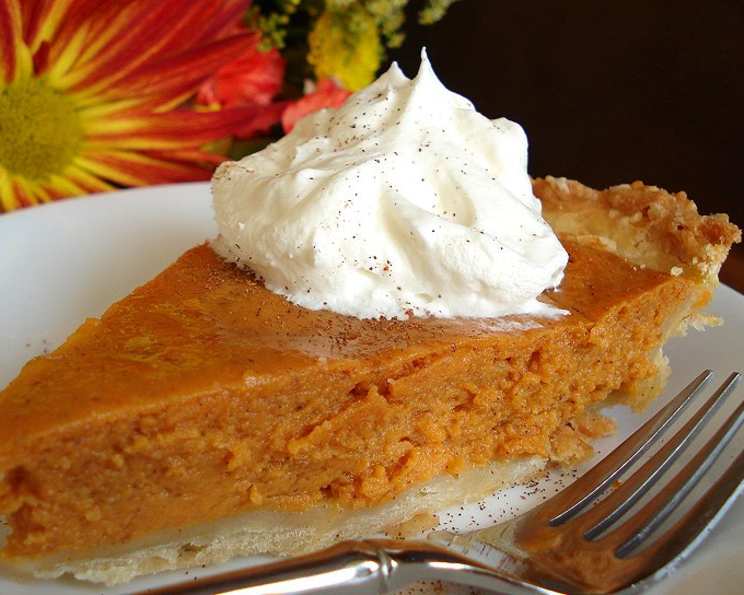
Light Pie Crust: A Guilt-Free Indulgence
I can still recall the first time I attempted a pie crust from scratch. It was a sweltering summer afternoon, and my grandmother, a seasoned baker with flour perpetually dusting her apron, patiently guided my clumsy hands. The resulting crust, while far from perfect, carried a warmth that went beyond the oven’s heat—a testament to shared moments and the simple joy of creating something delicious. This light pie crust recipe reminds me of those early baking adventures, offering a similar sense of accomplishment without the heaviness of traditional versions. It’s a versatile base for any filling, and I’m excited to share it with you.
Recipe Overview
- Prep Time: 20 minutes
- Cook Time: 30 minutes
- Total Time: 50 minutes
- Servings: 8
- Yield: 1 pie crust
- Dietary Type: Vegetarian (easily adaptable to vegan)
Ingredients
- 1 cup all-purpose flour
- 1 tablespoon sugar
- 3 tablespoons reduced-calorie margarine, chilled and cut up
- 2 tablespoons water
Equipment Needed
- Large bowl or food processor
- Rolling pin
- 9-inch pie pan or removable-bottom tart pan
- Fork
- Aluminum foil
- Dried beans or rice (for blind baking)
- Wire rack
Instructions
-
Preheat your oven to 400ºF (200ºC). This high initial temperature helps to quickly set the crust and prevent it from becoming soggy.
-
In a large bowl, combine the flour and sugar. If you prefer using a food processor, add both ingredients to the bowl of the processor. The sugar not only adds a touch of sweetness but also aids in browning.
-
Add the chilled and cut-up margarine to the flour mixture. You have two options for incorporating the margarine: You can process the mixture in the food processor using short pulses until it resembles coarse meal. Alternatively, you can use your fingertips to mix the margarine into the flour, gently pressing and rubbing until the mixture achieves the same coarse meal consistency. It’s crucial that the margarine is cold to prevent it from melting and creating a tough crust.
-
Gradually add the cold water, one tablespoon at a time. If using a food processor, pulse briefly after each addition until a manageable dough starts to form. If mixing by hand, gently incorporate the water until the dough just comes together. Be careful not to overwork the dough, as this can develop the gluten and result in a tough crust.
-
Turn the dough out onto a lightly floured surface. Gently roll the dough into a 12-inch circle. The light dusting of flour prevents the dough from sticking to the surface and the rolling pin. Aim for an even thickness throughout the circle.
-
Carefully press the dough into the bottom and up the sides of a 9-inch pie pan or a removable-bottom tart pan. Ensure that the dough is evenly distributed and that there are no air pockets between the dough and the pan.
-
Prick the bottom of the crust all over with a fork. This process, known as docking, prevents the crust from puffing up during baking.
-
Cover the dough with aluminum foil and fill with dried beans or rice. This is called blind baking, and it helps the crust retain its shape and prevent it from shrinking. The beans or rice act as weights to keep the crust flat.
-
Bake for 10 minutes. This initial baking period sets the crust and prevents it from becoming soggy when the filling is added.
-
Remove the beans and foil. Bake until the crust is golden brown, about 20 minutes more. Keep a close eye on the crust during this final baking period to prevent it from burning. The edges are usually the first to brown, so you may need to cover them with foil if they start to darken too quickly.
-
Remove the crust from the oven and cool completely on a wire rack. Allow the crust to cool completely before adding the filling. This prevents the filling from softening the crust and making it soggy.
Expert Tips & Tricks
- Keep it Cold: The key to a flaky pie crust is to keep all your ingredients as cold as possible. This prevents the margarine from melting and ensures that it remains in small pieces, which create layers of flaky dough when baked. Consider chilling your flour and even your mixing bowl before starting.
- Don’t Overwork the Dough: Overworking the dough develops the gluten in the flour, resulting in a tough crust. Mix the dough just until it comes together, and avoid kneading it.
- Blind Baking is Crucial: Blind baking is essential for preventing a soggy bottom crust, especially when using wet fillings.
- Egg Wash: For an extra golden and glossy crust, brush the partially baked crust with an egg wash (1 egg beaten with 1 tablespoon of water) before the final baking period.
- Docking: Don’t skip the docking step! It’s crucial for preventing the crust from puffing up unevenly.
Serving & Storage Suggestions
This light pie crust is incredibly versatile and can be used with a wide variety of sweet and savory fillings. Serve it with classic fillings like apple pie, pumpkin pie, or pecan pie. For a savory option, try it with quiche, chicken pot pie, or vegetable tart.
Once the pie is baked, it can be stored at room temperature for up to 2 days or in the refrigerator for up to 4 days. For longer storage, you can freeze the baked pie for up to 2 months. To freeze, wrap the pie tightly in plastic wrap and then in foil. To thaw, place the pie in the refrigerator overnight. Reheat in a preheated oven at 350ºF (175ºC) until warmed through.
The baked pie crust can be stored separately at room temperature for 24 hours, or wrapped tightly in plastic wrap and foil in the freezer for up to 3 months.
Nutritional Information
| Nutrient | Amount per Serving | % Daily Value |
|---|---|---|
| Calories | 82 kcal | 4% |
| Total Fat | 2.2g | 3% |
| Saturated Fat | 0.4g | 2% |
| Cholesterol | 0mg | 0% |
| Sodium | 52mg | 2% |
| Total Carbohydrate | 13.5g | 5% |
| Dietary Fiber | 0.4g | 2% |
| Sugars | 1.6g | – |
| Protein | 1.6g | 3% |
Note: Nutritional information is an estimate and may vary based on specific ingredients and portion sizes.
Variations & Substitutions
- Vegan Crust: Substitute the reduced-calorie margarine with a vegan butter alternative. Ensure the vegan butter is also chilled and cut into small pieces for the best results.
- Gluten-Free Crust: Use a gluten-free all-purpose flour blend. You may need to add a binder, such as xanthan gum, to help hold the dough together. Follow the package instructions for the gluten-free flour blend you choose.
- Whole Wheat Crust: Replace up to half of the all-purpose flour with whole wheat flour for a nuttier flavor and added fiber.
- Herb Crust: Add dried herbs, such as thyme, rosemary, or sage, to the flour mixture for a savory twist. This is particularly delicious with quiches and vegetable tarts.
- Lemon or Orange Zest: Add lemon or orange zest to the flour mixture for a bright and citrusy flavor. This works well with fruit-based pies.
FAQs (Frequently Asked Questions)
Q: Can I make this pie crust ahead of time?
A: Yes, you can! The dough can be made ahead of time and stored in the refrigerator for up to 2 days, wrapped tightly in plastic wrap. You can also freeze the dough for up to 3 months. Thaw the dough in the refrigerator overnight before rolling it out.
Q: Why is my pie crust shrinking during baking?
A: Shrinkage can occur if the dough is over-worked, not chilled enough, or not blind-baked properly. Make sure to follow the recipe instructions carefully, and don’t skip the blind-baking step.
Q: Can I use regular butter instead of reduced-calorie margarine?
A: Yes, you can use regular butter, but the nutritional information will change, and the crust might be slightly richer. Make sure the butter is very cold.
Q: What can I use if I don’t have dried beans or rice for blind baking?
A: You can use pie weights specifically designed for blind baking. Alternatively, you can use granulated sugar as a substitute.
Q: How do I prevent the edges of my pie crust from burning?
A: You can use a pie shield or strips of aluminum foil to cover the edges of the crust during the final baking period. Remove the shield or foil a few minutes before the end of baking to allow the edges to brown slightly.
Final Thoughts
I hope this light pie crust recipe inspires you to get creative in the kitchen. Whether you’re a seasoned baker or a novice, this recipe is designed to be approachable and rewarding. Don’t be afraid to experiment with different fillings and flavor combinations to create your own signature pie. And most importantly, share your creations with loved ones and savor the joy of homemade goodness. I encourage you to share your baking successes, modifications, and improvements in the comments! Happy baking!