
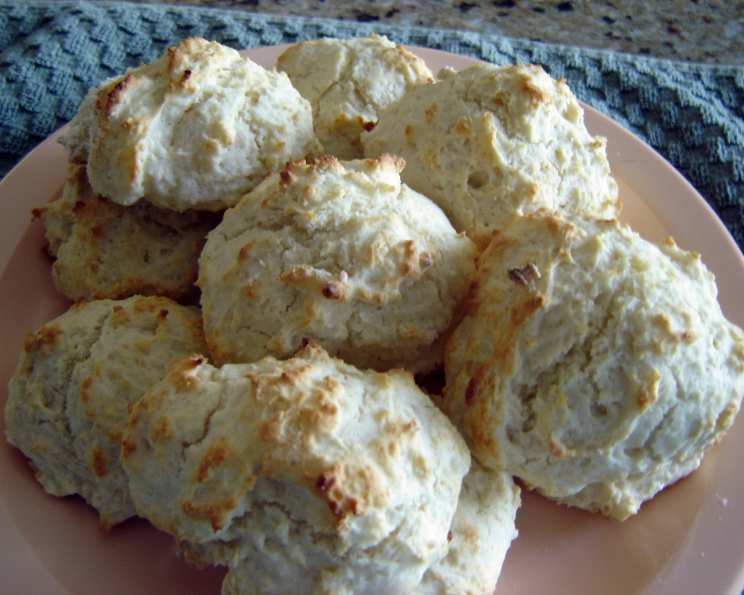
Lighter Buttermilk Biscuits: Comfort Food, Elevated
The memory of my grandmother’s kitchen is forever etched in my mind, a place where the aroma of freshly baked goods was a constant, comforting presence. Among her many specialties, her buttermilk biscuits held a special place. They were impossibly tall, tender, and flaky, the perfect vehicle for sweet butter and homemade jam. While I cherish those memories (and the taste!), I’ve since developed a passion for creating healthier versions of classic comfort foods without sacrificing flavor or texture. These lighter buttermilk biscuits are a testament to that pursuit – a nod to tradition with a modern, health-conscious twist.
Recipe Overview
- Prep Time: 12 minutes
- Cook Time: 12 minutes
- Total Time: 24 minutes
- Yields: 10 biscuits
- Dietary Type: Vegetarian
Ingredients
- 2 cups flour
- 2 teaspoons baking powder
- ¼ teaspoon baking soda
- ¼ teaspoon salt
- 1 tablespoon sugar
- 3 tablespoons cold margarine, cut into ½ inch pieces
- 1 cup buttermilk, plus 2 tablespoons buttermilk
Equipment Needed
- Baking sheet
- Food processor (optional)
- Mixing bowl
- Fork
Instructions
- Begin by preheating your oven to 425°F (220°C). Ensure you give your oven ample time to reach the correct temperature for optimal biscuit rising.
- Lightly coat a baking sheet with nonstick cooking spray. This will prevent the biscuits from sticking and ensure even browning on the bottom.
- In the bowl of a food processor fitted with a metal blade, combine the flour, baking powder, baking soda, salt, and sugar.
- Process the dry ingredients for about 2 seconds to thoroughly combine them. This helps distribute the leavening agents evenly, resulting in a lighter biscuit.
- Add the cold margarine pieces on top of the flour mixture.
- Process for about 8 seconds, or until the mixture resembles coarse crumbs. It’s crucial not to over-process, as this can lead to tough biscuits. The goal is to keep the margarine cold and in small pieces, which will create steam during baking and result in flaky layers.
- Transfer the mixture to a mixing bowl. If you don’t have a food processor, you can cut the margarine into the flour using a pastry blender, two forks, or even your fingertips. The key is to work quickly and keep the margarine cold.
- Add 1 cup of the buttermilk to the dry ingredients. Use a fork to stir the ingredients together just until combined. Avoid overmixing, as this develops the gluten in the flour and leads to tough biscuits. The dough should be slightly shaggy and a little sticky.
- If the dough seems too dry, add the remaining 2 tablespoons buttermilk, one tablespoon at a time, until the dough just comes together.
- When the biscuit dough holds together, use a large spoon or a disher to drop it by large spoonfuls onto the prepared baking sheet. Leave a little space between each biscuit to allow for even baking. For a more rustic look, don’t worry about perfectly shaping the biscuits; their irregular shapes contribute to their charm.
- Bake for 10-12 minutes, or until the biscuits are puffy and lightly browned. Keep a close eye on them during the last few minutes of baking to prevent them from burning. The biscuits are done when a toothpick inserted into the center comes out clean, or when the internal temperature reaches 200-210°F (93-99°C).
- Serve the biscuits immediately. They are best enjoyed warm, straight from the oven.
Expert Tips & Tricks
- Keep everything cold. The colder the ingredients, especially the margarine and buttermilk, the flakier the biscuits will be. Consider chilling the flour and mixing bowl for 30 minutes before starting.
- Don’t overmix. Overmixing develops the gluten in the flour, resulting in tough biscuits. Mix just until the ingredients are combined.
- For extra-tall biscuits, try the folding technique. After mixing the dough, gently pat it into a rectangle, fold it in thirds like a letter, rotate 90 degrees, and repeat. This creates extra layers for a flakier biscuit.
- To ensure even baking, rotate the baking sheet halfway through the baking time.
- Brush the tops of the biscuits with melted butter or a mixture of buttermilk and honey before baking for a golden-brown finish.
Serving & Storage Suggestions
These biscuits are best served warm, straight from the oven. They are delicious with butter, jam, honey, or alongside savory dishes like scrambled eggs, gravy, or fried chicken.
Leftover biscuits can be stored in an airtight container at room temperature for up to 2 days. For longer storage, refrigerate them for up to 5 days or freeze them for up to 2 months.
To reheat, wrap the biscuits in foil and warm them in a preheated oven at 350°F (175°C) for about 5-10 minutes, or until heated through. Alternatively, you can microwave them for a few seconds, but they may become slightly softer.
Nutritional Information
| Nutrient | Amount per Serving | % Daily Value |
|---|---|---|
| Calories | 137.8 kcal | N/A |
| Calories from Fat | 35 kcal | N/A |
| Total Fat | 3.9 g | 5% |
| Saturated Fat | 0.9 g | 4% |
| Cholesterol | 1.1 mg | 0% |
| Sodium | 231.5 mg | 9% |
| Total Carbohydrate | 21.9 g | 7% |
| Dietary Fiber | 0.7 g | 2% |
| Sugars | 2.6 g | N/A |
| Protein | 3.5 g | 7% |
Variations & Substitutions
- Gluten-Free: Substitute the all-purpose flour with a gluten-free all-purpose blend. You may need to add a bit more buttermilk to achieve the desired dough consistency.
- Vegan: Replace the buttermilk with a mixture of plant-based milk (such as almond or soy milk) and a tablespoon of lemon juice or apple cider vinegar. Let it sit for 5 minutes to curdle before adding it to the dough. Use vegan margarine.
- Cheese Biscuits: Add ½ cup of shredded cheddar cheese to the dry ingredients for a cheesy twist.
- Herb Biscuits: Stir in 2 tablespoons of chopped fresh herbs, such as chives, rosemary, or thyme, to the dry ingredients for added flavor.
- Sweet Biscuits: Add a tablespoon of honey or maple syrup to the buttermilk for a touch of sweetness.
FAQs (Frequently Asked Questions)
Q: Can I make the dough ahead of time?
A: Yes, you can prepare the dough ahead of time, cover it tightly, and refrigerate it for up to 24 hours. However, keep in mind that the baking powder will start to lose its effectiveness over time, so the biscuits may not rise as high if the dough sits for too long.
Q: What if I don’t have buttermilk?
A: You can make a buttermilk substitute by adding 1 tablespoon of white vinegar or lemon juice to 1 cup of milk. Let it sit for 5 minutes to curdle before using.
Q: Why are my biscuits tough?
A: The most common cause of tough biscuits is overmixing the dough. Be careful not to overmix the ingredients; mix just until combined.
Q: Can I freeze the baked biscuits?
A: Yes, you can freeze the baked biscuits. Let them cool completely, then wrap them individually in plastic wrap and place them in a freezer bag. They can be frozen for up to 2 months. Reheat them in a preheated oven at 350°F (175°C) until warmed through.
Q: How do I get my biscuits to rise higher?
A: Ensure that your baking powder is fresh, and use cold ingredients. Avoid overmixing the dough, and consider using the folding technique to create extra layers. Make sure your oven is preheated to the correct temperature before baking.
Final Thoughts
These lighter buttermilk biscuits are a delightful way to enjoy a classic comfort food without the guilt. They’re perfect for breakfast, brunch, or as a side dish with dinner. Don’t be afraid to experiment with different variations and substitutions to create your own signature biscuit. I encourage you to try this recipe and share your feedback. Pair these biscuits with a hearty soup on a chilly evening or alongside a vibrant salad for a balanced meal. Happy baking!