
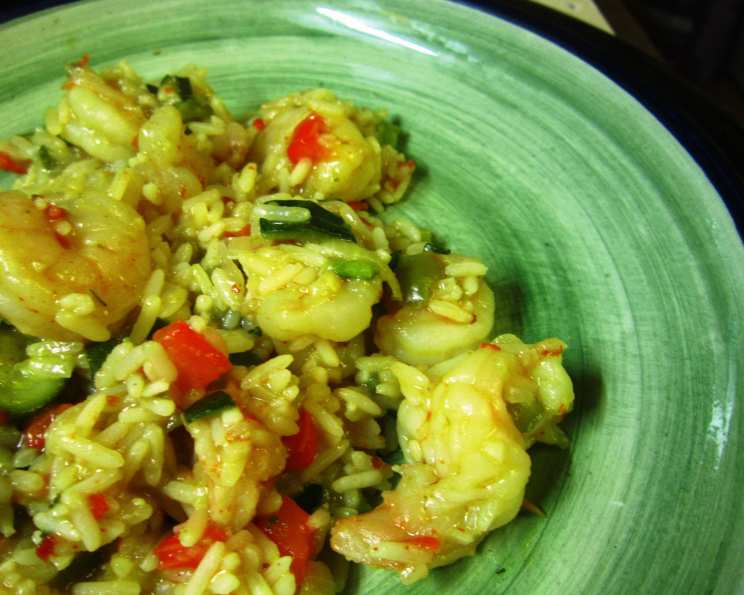
Limpin Susan: A Taste of the Lowcountry
The scent of my grandmother’s kitchen is forever etched in my memory: a symphony of spices, simmering broths, and the ever-present aroma of the South Carolina lowcountry. Among those cherished smells, none is quite as evocative as that of Limpin Susan, a dish she’d lovingly prepare for family gatherings. It wasn’t just a meal; it was a taste of home, of family, of the soul of the South simmering away on the stovetop. The warmth of the dish mirrored her personality, and every bite transported me back to her welcoming embrace and the stories she would tell of her own mother making this very dish.
Recipe Overview
- Prep Time: 15 minutes
- Cook Time: 25 minutes
- Total Time: 40 minutes
- Servings: 4
- Dietary Type: Varies (see variations for gluten-free and dairy-free)
Ingredients
- 1/4 cup green pepper, diced
- 1/4 cup onion, diced
- 2 garlic cloves, minced
- 1 lb okra, tipped and topped, cut into 1/4 inch slices
- 1 lb shrimp, peeled
- 3 tablespoons vegetable oil
- 1 cup long grain white rice
- 2 cups chicken stock
- Ground pepper, to taste
- Cayenne pepper, to taste
Equipment Needed
- Large skillet or pot with a lid
- Cutting board
- Knife
- Measuring cups and spoons
Instructions
-
Begin by preparing your vegetables. Dice the green pepper and onion into small pieces, mince the garlic, and slice the okra into approximately 1/4-inch thick rounds. Have all your ingredients measured and ready to go; this ensures a smooth cooking process.
-
Next, heat the vegetable oil in a large skillet or pot over medium heat. Once the oil is shimmering, add the diced onion and green pepper. Sauté for about 5 minutes, or until the vegetables have softened and become translucent. Stir frequently to prevent burning.
-
Add the minced garlic to the skillet and cook for an additional 2 minutes, stirring constantly. Be careful not to burn the garlic, as it can turn bitter. The aroma should be fragrant and inviting.
-
Now, add the rice to the pot. Stir to coat the rice grains evenly with the oil and vegetables. Cook the rice for 3 to 4 minutes, stirring frequently. This process, called toasting the rice, helps to enhance its flavor and prevent it from becoming mushy during cooking.
-
Pour in the chicken stock, then add the sliced okra, ground pepper, and cayenne pepper. Bring the mixture to a boil, then reduce the heat to low, cover the pot tightly with a lid, and simmer for about 20 minutes, or until the rice has absorbed most of the liquid and is tender. It’s crucial to keep the lid on during this step to allow the rice to steam properly.
-
After 20 minutes, check the rice for doneness. Most of the liquid should be absorbed. Taste and adjust the seasoning as needed with additional ground pepper and cayenne pepper. Remember, a little cayenne goes a long way, so add it gradually until you achieve your desired level of heat.
-
Finally, gently fold in the shrimp. Cover the pot again and cook for a further 5 minutes, or until the shrimp turns pink and is cooked through. Be careful not to overcook the shrimp, as it can become rubbery.
-
Remove from heat and let it sit covered for about 5 minutes before serving, this allows the flavors to meld together beautifully.
Expert Tips & Tricks
- Spice Level: Adjust the amount of cayenne pepper to your preference. If you like a milder dish, start with just a pinch. For a spicier kick, add a little more. You can also serve with hot sauce on the side.
- Shrimp Selection: Use fresh, high-quality shrimp for the best flavor and texture. If using frozen shrimp, be sure to thaw them completely and pat them dry before adding them to the pot.
- Rice Consistency: To avoid mushy rice, rinse the rice before cooking to remove excess starch. Also, be sure to use the correct ratio of liquid to rice (2 cups of chicken stock to 1 cup of rice).
- Make Ahead: You can prepare the rice and vegetable base ahead of time. Simply cook steps 1-5, cool, and store in the refrigerator for up to 2 days. When ready to serve, reheat the base, then add the shrimp and cook as directed.
- Vegetable Prep: Prepare all your vegetables ahead of time and keep them in separate containers in the fridge. This will reduce the active cooking time.
Serving & Storage Suggestions
Limpin Susan is best served hot, straight from the pot. Garnish with a sprinkle of fresh chopped parsley or a wedge of lemon for a bright, zesty finish. This dish is a meal in itself, but it also pairs well with a simple green salad or some crusty bread for soaking up the flavorful juices.
Leftovers can be stored in an airtight container in the refrigerator for up to 3 days. To reheat, gently warm on the stovetop over low heat, adding a splash of chicken stock or water if needed to prevent it from drying out. You can also reheat it in the microwave, but be careful not to overcook the shrimp. Freezing is not recommended, as the texture of the rice and shrimp can suffer.
Nutritional Information
| Nutrient | Amount per Serving | % Daily Value |
|---|---|---|
| Calories | 426 kcal | N/A |
| Calories from Fat | 119 | N/A |
| Total Fat | 13.2 g | 20% |
| Saturated Fat | 2 g | 9% |
| Cholesterol | 146.5 mg | 48% |
| Sodium | 825.8 mg | 34% |
| Total Carbohydrate | 52.1 g | 17% |
| Dietary Fiber | 4.6 g | 18% |
| Sugars | 4 g | N/A |
| Protein | 24.3 g | 48% |
Note: Nutritional information is an estimate and may vary based on specific ingredients and preparation methods.
Variations & Substitutions
- Gluten-Free: Ensure that the chicken stock you use is gluten-free.
- Dairy-Free: This recipe is naturally dairy-free.
- Vegetarian/Vegan: Omit the shrimp and use vegetable broth instead of chicken stock. Consider adding other vegetables like diced zucchini or bell peppers for added flavor and texture. You could also use a plant-based shrimp alternative.
- Spicy Version: For an extra kick, add a chopped jalapeño pepper along with the onion and green pepper.
- Seafood Medley: Incorporate other seafood such as crab meat, scallops, or mussels for a richer, more complex flavor profile.
- Brown Rice: Substitute brown rice for white rice for a nuttier flavor and increased fiber content. Note that brown rice may require a longer cooking time.
FAQs (Frequently Asked Questions)
Q: What does “Limpin Susan” mean?
A: The origin of the name is unclear, but it is thought to be a playful name given to this dish, perhaps as a companion to the similar dish called Hoppin’ John.
Q: Can I use frozen okra?
A: Yes, you can use frozen okra. Just make sure to thaw it completely before adding it to the pot. Fresh okra is preferred for texture, but frozen works in a pinch.
Q: How do I prevent the rice from sticking to the bottom of the pot?
A: Use a heavy-bottomed pot and stir the rice occasionally during cooking. Also, ensure that the heat is low enough to prevent the rice from scorching.
Q: Can I add other vegetables to this dish?
A: Absolutely! Feel free to add other vegetables like diced bell peppers, celery, or corn to customize the flavor to your liking.
Q: How do I know when the shrimp is cooked properly?
A: Shrimp is cooked when it turns pink and opaque. Be careful not to overcook it, as it can become rubbery.
Final Thoughts
Limpin Susan isn’t just a recipe; it’s a culinary story passed down through generations. It’s a simple dish made with love and care, and it’s a true representation of the flavors of the South. I encourage you to try this recipe and make it your own. Whether you stick to the traditional ingredients or experiment with variations, I hope this dish brings warmth and comfort to your table. Don’t hesitate to share your creations and experiences—food, after all, is best enjoyed when shared. Pair this dish with a crisp glass of Sauvignon Blanc or a refreshing iced tea for the ultimate Southern experience.