
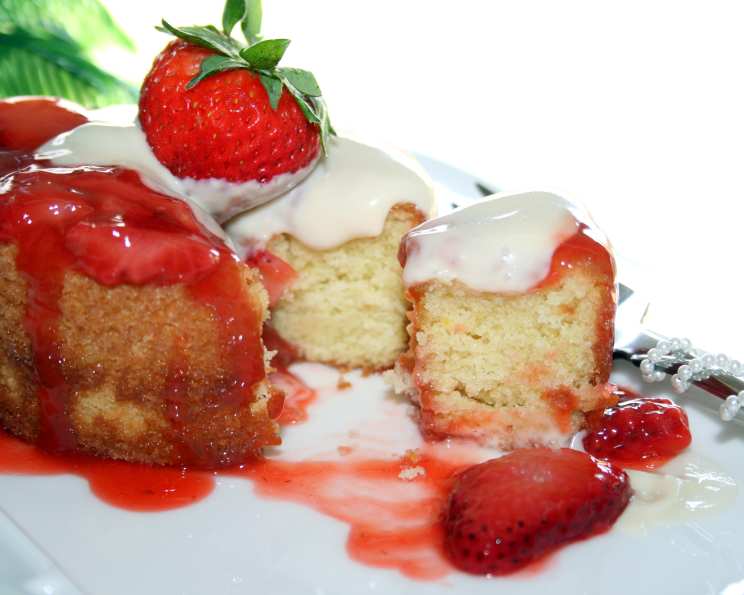
Little Lemon Pound Cake for Two
The scent of lemon baking in the oven always transports me back to my grandmother’s sunny kitchen. She had a lemon tree practically bursting with fruit in her backyard, and lemon desserts were her specialty. I remember sneaking slices of her lemon cake, still warm from the oven, the sweet-tart flavor a perfect balance. This tiny lemon pound cake captures that same comforting taste, but in a perfectly portioned size for a quiet afternoon treat or a cozy date night. It’s a simple joy, a little burst of sunshine in every bite.
Recipe Overview
- Prep Time: 5 minutes
- Cook Time: 25-30 minutes
- Total Time: 30-35 minutes
- Servings: 2
- Yield: 1 tiny loaf
- Dietary Type: Vegetarian
Ingredients
- ½ cup flour
- ½ cup sugar
- 3 tablespoons buttermilk, room temperature (or sour cream)
- 1 teaspoon lemon juice
- ⅛ teaspoon baking soda
- 1 large egg, room temperature
- ½ teaspoon lemon extract
- 3 tablespoons butter, room temperature
- ¼ teaspoon lemon zest
Equipment Needed
- Petit loaf pan (approximately 5x3x2 inches) or two mini Bundt pans, four cupcake cups, or two jumbo muffin cups.
- Small mixing bowl
- Another small mixing bowl
- Electric mixer
- Whisk
- Rubber spatula
- Cooling rack
Instructions
-
Preheat your oven to 350°F (175°C). Thoroughly grease and flour your chosen pan(s). This step is crucial to prevent the cake from sticking. You can use butter or cooking spray to grease, followed by a dusting of flour. Tap out any excess flour. I’ve found that greasing with melted butter and then dusting with almond flour adds a subtle nutty flavor, but that’s completely optional.
-
In a small mixing bowl, whisk together the flour and sugar. This ensures that the dry ingredients are evenly distributed.
-
In another small bowl, whisk together the buttermilk, lemon juice, and baking soda. The mixture will likely fizz slightly; this is normal and helps create a light and airy texture. Add the egg and lemon extract, and gently whisk to combine everything.
-
In the bowl with the flour mixture, add the butter and half of the buttermilk mixture. Use an electric mixer to combine until the ingredients are just moistened. Be careful not to overmix at this stage.
-
Beat the mixture on low speed for about 45 seconds. Scrape down the sides of the bowl with a rubber spatula to ensure everything is evenly incorporated.
-
Add the remaining buttermilk mixture and the lemon zest. Beat on medium speed until well blended, about 30 seconds. Again, be careful not to overmix, as this can result in a tough cake. Overmixing develops the gluten in the flour, leading to a dense and less tender texture.
-
Pour the batter into the prepared pan. Spread it evenly using a spatula.
-
Bake until the cake is browned and a toothpick inserted into the center comes out clean. This usually takes about 25-30 minutes for a petit loaf pan. For doubled recipes using a small loaf pan, baking time is closer to 40 minutes. Keep a close eye on the cake and adjust baking time as needed. Ovens can vary, so use visual cues as your guide. The cake should be golden brown and spring back lightly when touched.
-
Let the cake cool in the pan for 10 minutes on a rack. This prevents the cake from crumbling when you try to remove it.
-
Remove the cake from the pan and allow it to cool completely on the rack before serving. This is the hardest part – resisting the urge to cut into the warm cake!
Expert Tips & Tricks
- Room Temperature Ingredients: Using room temperature ingredients, especially the butter, egg, and buttermilk, is essential for creating a smooth and evenly emulsified batter. This leads to a more tender and evenly baked cake.
- Don’t Overmix: Overmixing the batter develops the gluten in the flour, resulting in a tough and dense cake. Mix until just combined.
- Lemon Zest for Enhanced Flavor: Don’t skip the lemon zest! It adds a concentrated burst of lemon flavor that really elevates this cake. Make sure to only zest the yellow part of the lemon, avoiding the white pith which can be bitter.
- Buttermilk Substitute: If you don’t have buttermilk on hand, you can make a quick substitute by adding 1 teaspoon of lemon juice or white vinegar to a measuring cup and then filling the rest of the cup to 3 tablespoons with milk. Let it sit for 5 minutes to curdle slightly before using.
- Pan Preparation is Key: A well-greased and floured pan is essential for preventing the cake from sticking. I like to use baking spray that contains flour for added insurance.
- Even Baking: For even baking, make sure your oven rack is positioned in the center of the oven.
Serving & Storage Suggestions
Serve this little lemon pound cake as is, or dust it with powdered sugar for a simple yet elegant presentation. A dollop of whipped cream or a scoop of vanilla ice cream is also a delightful addition. For a more elaborate presentation, you could drizzle it with a simple lemon glaze made from powdered sugar and lemon juice.
Store leftover cake in an airtight container at room temperature for up to 3 days. For longer storage, wrap the cake tightly in plastic wrap and freeze it for up to 2 months. To thaw, simply leave it at room temperature for a few hours. You can also reheat individual slices in the microwave for a few seconds to warm them slightly.
Nutritional Information
| Nutrient | Amount per Serving | % Daily Value |
|---|---|---|
| Calories | 507.9 kcal | N/A |
| Total Fat | 20.2 g | 31% |
| Saturated Fat | 11.9 g | 59% |
| Cholesterol | 139.7 mg | 46% |
| Sodium | 291.1 mg | 12% |
| Total Carbohydrate | 75.3 g | 25% |
| Dietary Fiber | 0.9 g | 3% |
| Sugars | 51.2 g | N/A |
| Protein | 7.3 g | 14% |
Note: Nutritional information is an estimate and may vary based on specific ingredients and preparation methods.
Variations & Substitutions
- Gluten-Free: Substitute the all-purpose flour with a gluten-free all-purpose baking flour blend. Be sure to choose a blend that contains xanthan gum for best results.
- Dairy-Free: Replace the butter with a plant-based butter alternative and the buttermilk with a dairy-free buttermilk substitute (lemon juice or vinegar mixed with plant-based milk).
- Orange Pound Cake: Substitute the lemon zest and lemon juice with orange zest and orange juice for a delightful orange-flavored cake.
- Poppy Seed: Add 1 tablespoon of poppy seeds to the batter for a subtle nutty flavor and interesting texture.
- Lemon Glaze: Whisk together 1 cup of powdered sugar with 2-3 tablespoons of lemon juice until smooth. Drizzle over the cooled cake.
FAQs (Frequently Asked Questions)
Q: Can I use regular milk instead of buttermilk?
A: Buttermilk adds a tangy flavor and tender crumb to the cake. While you can use regular milk, the texture and flavor will be slightly different. For best results, use buttermilk or a buttermilk substitute.
Q: Can I double this recipe?
A: Yes, this recipe doubles very well! Use the pan sizes mentioned in the instructions for a doubled batch.
Q: My cake is browning too quickly, what should I do?
A: If the cake is browning too quickly, tent it with aluminum foil during the last 10-15 minutes of baking. This will protect the top from burning.
Q: How do I know when the cake is done?
A: Insert a toothpick into the center of the cake. If it comes out clean or with a few moist crumbs attached, the cake is done.
Q: Can I freeze this lemon pound cake?
A: Yes, this lemon pound cake freezes very well. Wrap it tightly in plastic wrap and then place it in a freezer-safe bag or container. It can be frozen for up to 2 months.
Final Thoughts
This little lemon pound cake is more than just a recipe; it’s an invitation to slow down, savor the simple pleasures, and create a sweet moment for yourself or someone you love. I hope you’ll give it a try and share your baking adventures! Feel free to experiment with variations and let me know what you think. Maybe pair it with a cup of Earl Grey tea or a refreshing glass of lemonade. Happy baking!