
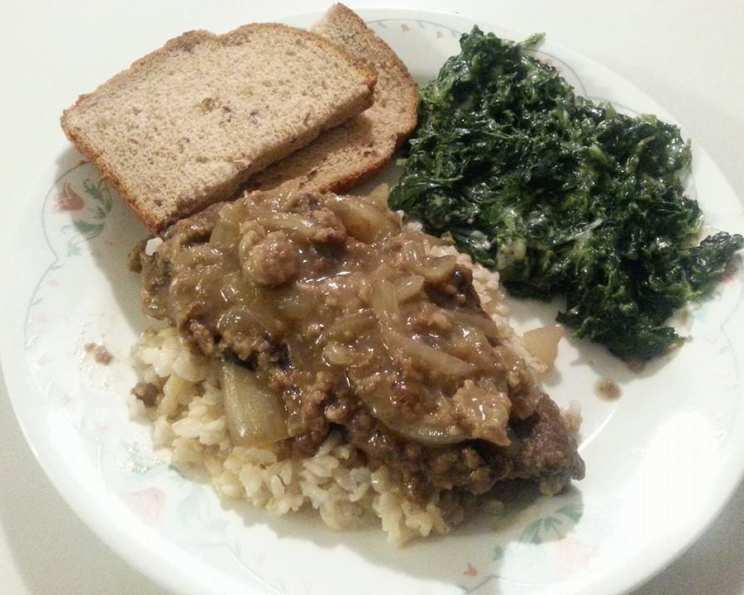
Liver and Onions with Gravy: A Taste of Home
The clatter of pans, the sharp, almost metallic scent filling the air… it takes me back to my grandmother’s kitchen. Liver and onions wasn’t just a meal; it was a ritual. I remember watching her, a whirlwind of purposeful movement, dredging the liver in flour, the sizzle as it hit the hot oil, and the sweet, earthy aroma of onions caramelizing in the pan. She always served it with a generous dollop of creamy mashed potatoes, the gravy soaking in, creating a symphony of comfort food that warmed both body and soul. Even as a child, I understood this was more than just dinner; it was love on a plate.
Recipe Overview
- Prep Time: 15 minutes
- Cook Time: 20 minutes
- Total Time: 35 minutes
- Servings: 4
- Dietary Type: Variable (see variations for gluten-free)
Ingredients
- Flour, for dredging
- 1 teaspoon black pepper
- 1/2 teaspoon salt
- 3 tablespoons extra virgin olive oil
- 1 1/2 lbs beef liver, sliced
- 1 -2 onion, thinly sliced
- 1 cup beef broth
Equipment Needed
- Large bowl
- Large skillet with lid
Instructions
-
Begin by preparing the liver. Slice the beef liver into approximately 1/4-inch thick slices.
-
In a large bowl, place enough flour to coat the liver generously. Add 1 teaspoon of black pepper and 1/2 teaspoon of salt to the flour. Whisk to combine thoroughly, ensuring the seasoning is evenly distributed. This seasoned flour will not only add flavor but also help the liver brown beautifully and contribute to a rich gravy.
-
One by one, dredge each slice of liver in the seasoned flour, ensuring it is completely coated on both sides. Shake off any excess flour; a light coating is all you need. Set the dredged liver aside.
-
In a large skillet, heat 3 tablespoons of extra virgin olive oil over medium-high heat. The oil should be shimmering, indicating it’s hot enough.
-
Carefully place the dredged liver slices in the hot skillet, ensuring not to overcrowd the pan. Work in batches if necessary. Brown the liver on both sides, about 2-3 minutes per side. The goal is to develop a nice sear on the outside while keeping the inside tender. Overcooking the liver will make it tough and rubbery, so keep a close eye on it.
-
Once the liver is browned, remove it from the skillet and set it aside.
-
In the same skillet, add the thinly sliced onions. Sauté the onions over medium heat until they are tender and lightly caramelized, about 5-7 minutes. Stir occasionally to prevent burning. As the onions cook, they will release their natural sweetness, adding depth of flavor to the dish.
-
Return the browned liver to the skillet with the sautéed onions.
-
Pour 1 cup of beef broth over the liver and onions. The broth will deglaze the skillet, lifting any browned bits from the bottom and adding even more flavor to the gravy.
-
Cover the skillet tightly with a lid. Reduce the heat to low and simmer for about 5-10 minutes, or until the onions are very tender and the broth has thickened into a nice gravy. Monitor the liquid level, adding a splash more broth if needed to prevent sticking.
-
Once the gravy has reached your desired consistency, remove from heat and serve immediately.
Expert Tips & Tricks
- Soaking the Liver: For an even milder flavor, soak the sliced liver in milk for about 30 minutes before dredging. This helps draw out any remaining bitterness. Be sure to pat it dry thoroughly before flouring.
- Achieving a Tender Texture: Don’t overcook the liver! Overcooked liver becomes tough and unpalatable. Aim for a slightly pink center; it will continue to cook slightly as it rests.
- Gravy Enhancement: For a richer gravy, add a tablespoon of butter to the skillet along with the beef broth.
- Deglazing is Key: Don’t skip deglazing the pan with beef broth. Those browned bits are flavor gold!
Serving & Storage Suggestions
Serve your liver and onions with gravy immediately while it’s hot and the gravy is at its peak. It’s delicious served over rice, mashed potatoes, or creamy polenta. A side of steamed green beans or a simple salad complements the richness of the dish.
Leftovers can be stored in an airtight container in the refrigerator for up to 3 days. To reheat, gently warm in a skillet over low heat, adding a splash of beef broth or water if needed to prevent drying. Freezing is not recommended as it can affect the texture of the liver.
Nutritional Information
| Nutrient | Amount per Serving | % Daily Value* |
|---|---|---|
| Calories | 280 kcal | 14% |
| Total Fat | 12g | 18% |
| Saturated Fat | 3g | 15% |
| Cholesterol | 250mg | 83% |
| Sodium | 450mg | 19% |
| Total Carbohydrate | 10g | 3% |
| Dietary Fiber | 2g | 7% |
| Sugars | 3g | |
| Protein | 30g | 60% |
| Vitamin A | 10000 IU | 200% |
| Iron | 5mg | 28% |
*Percent Daily Values are based on a 2,000 calorie diet.
Variations & Substitutions
- Gluten-Free: Use a gluten-free flour blend for dredging. Ensure your beef broth is also gluten-free.
- Different Broth: Chicken broth or vegetable broth can be used in place of beef broth, though it will slightly alter the flavor profile.
- Add Vegetables: Consider adding other vegetables like bell peppers or mushrooms to the skillet along with the onions for added flavor and nutrition.
- Herb Infusion: Add fresh herbs like thyme or rosemary to the skillet while simmering for an aromatic twist.
FAQs (Frequently Asked Questions)
Q: Why is my liver tough?
A: Overcooking is the primary culprit. Liver is best cooked to medium, with a slightly pink center. Avoid prolonged cooking times.
Q: Can I use a different type of liver?
A: While beef liver is most common, calf liver or chicken livers can also be used. Cooking times may need to be adjusted accordingly. Chicken livers, for example, will cook much faster.
Q: How can I reduce the strong flavor of liver?
A: Soaking the liver in milk for 30 minutes before cooking can help mellow its flavor. Be sure to pat it dry before dredging in flour.
Q: Can I make this ahead of time?
A: While best served fresh, you can prepare the liver and onions ahead of time and reheat gently in a skillet. The gravy may thicken upon standing, so add a splash of broth or water when reheating.
Q: What wine pairs well with liver and onions?
A: A medium-bodied red wine, such as a Merlot or a Pinot Noir, can complement the rich flavors of the dish.
Final Thoughts
Liver and onions might not be everyone’s cup of tea, but when prepared correctly, it’s a deeply satisfying and nourishing meal. It’s a dish with history, with character, and with the power to evoke cherished memories. So, take a leap, embrace the challenge, and create your own version of this classic comfort food. I encourage you to experiment, adjust the recipe to your preferences, and most importantly, share it with those you love. Who knows, you might just create a new family tradition.