
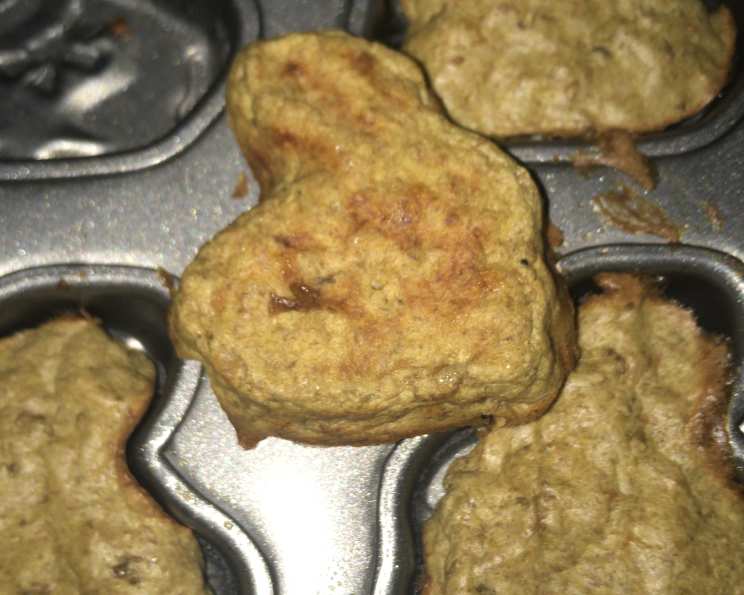
Liver Cake for Your Loyal Companion
My childhood home always smelled of something wonderful baking – whether it was my mom’s famous apple pie or the surprisingly savory aroma of what we affectionately called “doggy cake.” I remember one particular afternoon, sneaking a bite of the cooled cake, thinking it was some new kind of pâté. The look on my mom’s face when she caught me was priceless! It wasn’t until I was older that I realized this wasn’t some forgotten family recipe for humans, but a special treat for our beloved golden retriever, Goldie. That little taste, though unexpected, sparked my curiosity about canine cuisine, and now, years later, I’m excited to share this surprisingly delicious (for dogs, of course!) recipe with you.
Recipe Overview
- Prep Time: 15 minutes
- Cook Time: 40 minutes
- Total Time: 55 minutes
- Servings: Varies based on mold size
- Yield: Approximately 2 pounds
- Dietary Type: Grain-Free (if using grain-free flour)
Ingredients
- 300g Chicken Livers
- 3 Eggs
- 150g Flour (all-purpose, whole wheat, or grain-free blend)
- 2 Garlic Cloves
Equipment Needed
- Food Processor
- Mixing Bowls
- Whisk
- Baking Mold (cake pan, muffin tin, or loaf pan)
- Oven
Instructions
- Begin by preparing the chicken livers. Roughly chop them and transfer them to a food processor. Pulse until the livers are completely broken down into a smooth liver paste. The consistency should be similar to a thick purée. This step is crucial for ensuring the cake has a consistent texture and that your dog can easily digest it.
- Next, separate the eggs into two bowls – one for the egg whites and one for the egg yolks. Using a whisk, vigorously whisk the egg whites until they form stiff peaks. This step is essential for creating a light and airy cake.
- In the bowl with the egg yolks, add the garlic cloves. Ensure the garlic is finely ground or minced. You can use a garlic press or mince it very finely with a knife. Add the ground garlic to the egg yolks and mix well.
- Gradually add the liver paste from step 1 to the egg yolk and garlic mixture. Mix thoroughly until well combined.
- Now, begin adding the flour to the wet ingredients. Add the flour gradually, mixing bit by bit to ensure it is fully incorporated. This will prevent lumps from forming in the batter. Continue mixing until you have a smooth batter.
- Gently fold the whisked egg whites into the batter from step 5. Use a gentle folding motion to avoid deflating the egg whites. This will help maintain the lightness of the cake.
- Pour the batter into your chosen baking mold. Ensure the mold is lightly greased or lined with parchment paper to prevent the cake from sticking.
- Preheat your oven to 180-200 degrees Celsius (350-390 degrees Fahrenheit). Once preheated, carefully place the mold containing the batter into the oven.
- Bake for approximately 40 minutes. The baking time may vary depending on your oven and the size of the mold you are using. To check for doneness, insert a toothpick into the center of the cake. If the toothpick comes out clean or with just a few moist crumbs, the cake is done.
- Once baked, remove the liver cake from the oven and allow it to cool completely in the mold before serving. This will prevent the cake from crumbling.
Expert Tips & Tricks
- For an even smoother liver paste, consider running the processed livers through a fine-mesh sieve.
- If you’re using whole wheat flour, you may need to add a tablespoon or two of water to the batter to achieve the desired consistency. The batter should be pourable but not too runny.
- The garlic in this recipe is used in small quantities and is generally considered safe for dogs in such amounts. However, if your dog has a sensitive stomach or a history of garlic intolerance, it’s best to omit it.
- Don’t over-mix the batter after adding the flour, as this can result in a tough cake.
- To prevent the cake from browning too quickly, you can tent it with aluminum foil during the last 15 minutes of baking.
Serving & Storage Suggestions
Allow the liver cake to cool completely before serving. Cut it into appropriate-sized pieces for your dog, depending on their size and chewing habits. This cake can be stored in an airtight container in the refrigerator for up to 5 days. For longer storage, you can freeze the cake in individual portions for up to 2 months. Thaw the cake in the refrigerator before serving. The cake is best served at room temperature or slightly chilled. Do not leave the cake at room temperature for extended periods, especially in warm weather, as it can spoil quickly.
Nutritional Information
Please note that the following nutritional information is an estimate and may vary depending on the specific ingredients used.
| Nutrient | Amount per Serving (estimated) |
|---|---|
| Calories | 150-200 kcal |
| Protein | 15-20g |
| Fat | 8-12g |
| Carbohydrates | 10-15g |
| Fiber | 1-2g |
Variations & Substitutions
- Grain-Free Option: Substitute the all-purpose or whole wheat flour with a grain-free blend like almond flour, coconut flour, or a combination of both.
- Protein Boost: Add a tablespoon of peanut butter (ensure it’s xylitol-free!) to the batter for an extra protein boost and flavor enhancement.
- Vegetable Addition: Incorporate finely grated carrots, zucchini, or sweet potato into the batter for added nutrients and fiber.
- Herb Infusion: Add a sprinkle of dried herbs like parsley or rosemary to the batter for a more aromatic cake. These herbs are generally safe and beneficial for dogs.
- Liver Variety: While this recipe calls for chicken liver, you can also use beef liver or lamb liver. Keep in mind that the flavor may vary slightly.
FAQs (Frequently Asked Questions)
Q: Is garlic safe for dogs in this recipe?
A: Yes, the small amount of garlic used (2 cloves) is generally considered safe for dogs in this recipe. However, if your dog is sensitive to garlic or has a history of garlic intolerance, it’s best to omit it.
Q: Can I use different types of flour?
A: Absolutely! You can use all-purpose flour, whole wheat flour, or a grain-free blend. Just keep in mind that the texture of the cake may vary slightly depending on the type of flour used.
Q: How do I know when the cake is done?
A: Insert a toothpick into the center of the cake. If the toothpick comes out clean or with just a few moist crumbs, the cake is done.
Q: How long can I store the liver cake?
A: The cake can be stored in the refrigerator for up to 5 days or in the freezer for up to 2 months.
Q: My dog has allergies. Can I adapt this recipe?
A: Yes! This recipe is easily adaptable. You can substitute the flour with a grain-free option, omit the garlic, and ensure any added ingredients are safe for your dog’s specific allergies. Always consult with your veterinarian if you have concerns.
Final Thoughts
I hope you and your furry friend enjoy this liver cake recipe! It’s a great way to show your dog some extra love and provide them with a healthy and delicious treat. Feel free to experiment with different variations and substitutions to find the perfect recipe for your dog’s taste. And remember, always supervise your dog while they are enjoying their cake and adjust the portion size based on their size and dietary needs. Share your creations and feedback – I’d love to hear about your baking adventures!