
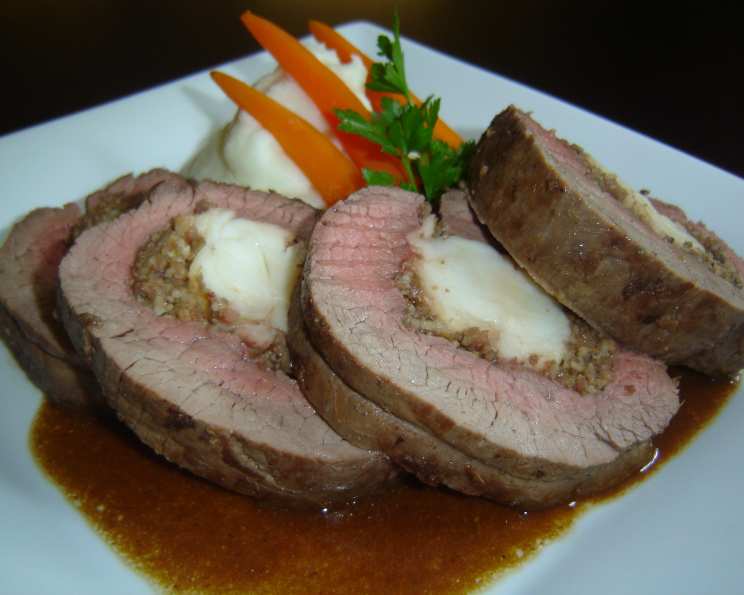
Lobster Stuffed Beef Tenderloin: A Symphony of Flavors
The holidays at my grandmother’s were legendary, and not just for the overflowing platters of cookies. Her crown jewel, the dish that always stole the show, was her beef tenderloin. I remember being a wide-eyed child, mesmerized by the carving of that magnificent roast, the fragrant steam rising to meet my eager nose. Years later, as a chef, I yearned to create something just as memorable. That’s how this Lobster Stuffed Beef Tenderloin was born – a luxurious twist on a classic, combining the tenderness of beef with the sweet succulence of lobster, a dish perfect for creating your own unforgettable moments.
Recipe Overview
- Prep Time: 20 minutes
- Cook Time: 45-60 minutes
- Total Time: 1 hour 5 minutes – 1 hour 20 minutes
- Servings: 5-6
- Yield: 1 stuffed tenderloin roast
- Dietary Type: Pescatarian (adaptable for dairy-free)
Ingredients
- 2 lobster tails (4-6 oz each)
- 2-3 lbs beef tenderloin
- 1-2 teaspoon lemon pepper
- 1/2 cup melted butter
- 2 teaspoons minced garlic
- 1/2 cup minced shallot
- 2 cups sliced mushrooms (quartered, if desired)
- 3/4 cup dry red wine or 3/4 cup Chardonnay wine
Equipment Needed
- Small saucepan
- Roasting pan with rack
- Meat thermometer
- Cooking twine
Instructions
-
Preheat your oven to 400 degrees Fahrenheit (200 degrees Celsius).
-
In a small saucepan, combine the melted butter and minced garlic. Keep this mixture warm over very low heat; be careful not to burn the garlic. This butter-garlic infusion is crucial for adding depth of flavor throughout the dish.
-
Cook the lobster tails in boiling, salted water until they are cooked through – this should take about 5 minutes. Don’t overcook them, as they will cook further in the tenderloin.
-
Drain the lobster tails immediately and submerge them in cold water to stop the cooking process. This ensures the lobster remains tender and doesn’t become rubbery.
-
Carefully cut a lengthwise slit in the beef tenderloin, being sure to stop within 1/2 inch from the bottom. This creates a pocket for the lobster filling.
-
Open the tenderloin like a book, creating a larger surface area for the stuffing.
-
Sprinkle the inside of the opened tenderloin generously with lemon pepper. This adds a bright, zesty note that complements both the beef and lobster.
-
Remove the lobster meat from the shells and discard the shells. Be sure to remove any cartilage or veins from the lobster meat.
-
Place the lobster tails, “tail to end,” down the center of your opened tenderloin. This ensures even distribution of the lobster throughout the roast.
-
Whisk the butter-garlic mixture gently to re-combine. Drizzle approximately 2 tablespoons of the mixture directly over the lobster tails. This adds moisture and flavor to the lobster, preventing it from drying out during roasting.
-
Carefully wrap the beef tenderloin around the lobster tails, encasing them completely.
-
Use cooking twine to tie the tenderloin securely at approximately 1 and 1/2 inch intervals. This will help the tenderloin maintain its shape during cooking and ensure even cooking.
-
Place the tied roast on a rack in a roasting pan. The rack allows for better air circulation, resulting in more even cooking.
-
Sprinkle the outside of the roast generously with additional lemon pepper.
-
Roast the tenderloin, uncovered, for 45 minutes to 1 hour. Cooking time will vary depending on the size of your tenderloin and your desired level of doneness.
-
Use a meat thermometer to check the internal temperature of the roast. Insert the thermometer into the thickest part of the beef, avoiding the lobster. For rare, the thermometer should read 140 degrees Fahrenheit (60 degrees Celsius). For medium-rare, aim for 150 degrees Fahrenheit (66 degrees Celsius). Remember that the roast will continue to cook slightly as it rests.
-
While the roast is in the oven, prepare the sauce. In the same saucepan you used for the butter-garlic mixture, sauté the minced shallots and sliced mushrooms in the remaining butter-garlic mixture until they are golden brown and softened. The shallots should be translucent, and the mushrooms should have released their moisture.
-
Add the dry red wine (or Chardonnay) to the saucepan. Heat thoroughly, allowing the wine to reduce slightly. This will concentrate the flavors and create a richer sauce.
-
Remove the roast from the oven and loosely cover it with foil.
-
Let the roast stand for 5 minutes before carving. This allows the juices to redistribute throughout the meat, resulting in a more tender and flavorful roast.
-
Remove the twine and cut the tenderloin into thick slices.
-
Offer the wine-butter sauce at the table for drizzling over the sliced tenderloin.
Expert Tips & Tricks
- Don’t overcook the lobster: Lobster becomes tough and rubbery when overcooked. Keep a close eye on it while boiling and ensure you immediately submerge it in cold water to stop the cooking process.
- Butterfly the tenderloin properly: When creating the pocket for the stuffing, make sure you don’t cut all the way through the tenderloin. Leaving that 1/2 inch hinge is crucial for keeping the lobster contained.
- Use good quality twine: Make sure the cooking twine you use is sturdy and heat-resistant. Inferior twine can break during cooking.
- For an extra layer of flavor, consider adding a thin layer of prosciutto or another cured ham inside the tenderloin before adding the lobster.
- If you prefer a creamier sauce, stir in a tablespoon or two of heavy cream or crème fraîche to the wine-butter sauce at the end.
Serving & Storage Suggestions
Serve the Lobster Stuffed Beef Tenderloin immediately after carving for the best flavor and texture. Garnish with fresh parsley or thyme for an elegant presentation. This dish pairs beautifully with roasted asparagus, garlic mashed potatoes, or a simple green salad.
Leftover tenderloin can be stored in an airtight container in the refrigerator for up to 3 days. The sauce should be stored separately. Reheat gently in a skillet or microwave, being careful not to overcook the lobster. For longer storage, you can freeze the cooked tenderloin, but be aware that the texture of the lobster may change slightly upon thawing.
Nutritional Information
| Nutrient | Amount per Serving | % Daily Value |
|---|---|---|
| Calories | 660 kcal | N/A |
| Total Fat | 51.5g | 79% |
| Saturated Fat | 25g | 124% |
| Cholesterol | 203mg | 67% |
| Sodium | 257.7mg | 10% |
| Total Carbohydrate | 4.9g | 1% |
| Dietary Fiber | 0.3g | 1% |
| Sugars | 0.8g | N/A |
| Protein | 37.1g | 74% |
Note: Nutritional information is an estimate and may vary based on specific ingredients and portion sizes.
Variations & Substitutions
- Seafood Alternatives: If lobster is unavailable or too expensive, substitute with large shrimp or crab meat. Adjust cooking times accordingly.
- Dairy-Free Option: Use olive oil or a dairy-free butter substitute in place of butter.
- Wine Choice: If you prefer a sweeter sauce, use a Riesling or Moscato instead of a dry red or Chardonnay. You can also use chicken broth in place of wine.
- Herb Infusion: Add fresh herbs like rosemary or thyme to the butter-garlic mixture for an even more aromatic flavor.
FAQs (Frequently Asked Questions)
Q: Can I prepare the tenderloin ahead of time?
A: Yes, you can stuff and tie the tenderloin a day in advance. Keep it refrigerated, but bring it to room temperature for about 30 minutes before roasting.
Q: How do I ensure the lobster doesn’t dry out?
A: Drizzling the lobster with the butter-garlic mixture and wrapping it tightly in the tenderloin will help retain moisture. Don’t overcook the tenderloin either.
Q: Can I use frozen lobster tails?
A: Yes, just make sure they are completely thawed before cooking. Pat them dry before adding them to the tenderloin.
Q: What if I don’t have cooking twine?
A: You can use butcher’s string or even unflavored dental floss (though I would still recommend using cooking twine). Secure the tenderloin as tightly as possible.
Q: Can I grill this instead of roasting?
A: Yes, you can grill the tenderloin over medium heat, turning occasionally, until it reaches the desired internal temperature. Grilling will impart a smoky flavor.
Final Thoughts
This Lobster Stuffed Beef Tenderloin is more than just a recipe; it’s an experience. It’s about creating a dish that wows your guests and leaves a lasting impression. It may seem intimidating, but with a little care and attention to detail, you can easily create this masterpiece in your own kitchen. Don’t be afraid to experiment with variations and make it your own. I encourage you to try this recipe and share your creations with loved ones. And, of course, I’d love to hear your feedback! Pair it with a robust Cabernet Sauvignon or a crisp Sauvignon Blanc for the ultimate culinary indulgence. Happy cooking!