
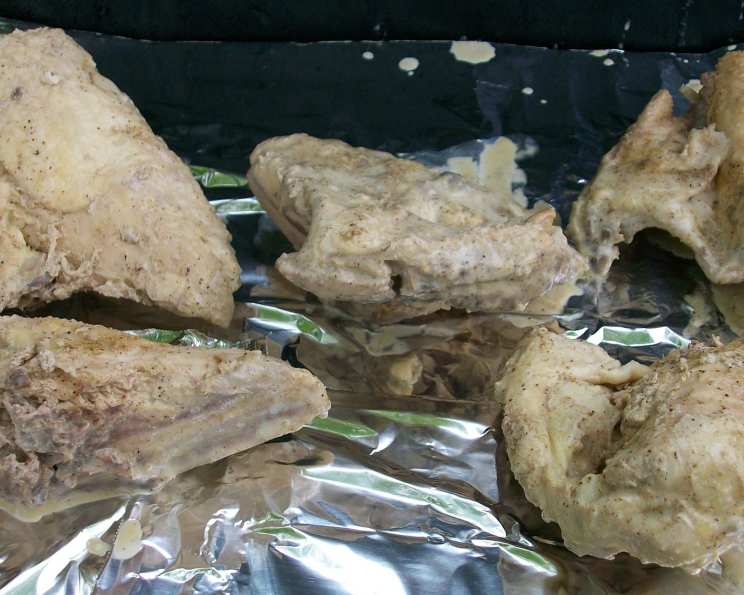
Local Fireman Chicken Barbecue Sauce: A Taste of Community
The summer carnival was the highlight of my childhood, a swirl of vibrant colors, dizzying rides, and the irresistible aroma of barbecue. Every year, the local fire department manned the grill, their famous chicken the undisputed star. That smoky, tangy, slightly sweet sauce – it was pure magic. Each bite was a piece of community spirit, a taste of hometown pride. Years later, I’ve been on a quest to recapture that taste of nostalgia. This recipe, passed down through generations of local families, gets me closer than anything else I’ve tried.
Recipe Overview
- Prep Time: 5 minutes
- Cook Time: Varies depending on cooking method
- Total Time: 5 minutes + marinating time
- Yields: Approximately 1 1/2 cups
- Serves: 6-8
- Dietary Type: Not Vegetarian/Vegan
Ingredients
- 2 eggs
- 1/2 cup vegetable oil
- 1 cup cider vinegar
- 1 tablespoon salt
- 1 1/2 teaspoons poultry seasoning
- 1/4 teaspoon ground black pepper
Equipment Needed
- Blender
- Grill or Oven
- Basting Brush (if grilling)
- Injection Syringe (optional, for injecting marinade)
Instructions
- Begin by gathering your ingredients. This recipe comes together quickly, so having everything prepped and measured is essential.
- In a blender, carefully combine the eggs, vegetable oil, cider vinegar, salt, poultry seasoning, and ground black pepper.
- Blend the ingredients on medium speed until the mixture is completely emulsified and smooth. This should only take about 30-60 seconds. It will create a pale yellow, slightly frothy sauce.
- Now, you have two options for incorporating this delicious sauce into your chicken. The first method is to use the sauce as a basting glaze while grilling. The second, my preferred method, is to use it as a marinade.
- For grilling: Generously baste the chicken with the sauce during the last 15-20 minutes of grilling, turning frequently to ensure even coverage and prevent burning. The exact cooking time depends on the type of chicken and the heat of your grill. Check for an internal temperature of 165°F (74°C).
- For marinating: Place the chicken in a resealable bag or non-reactive container. Pour the sauce over the chicken, ensuring that it is fully submerged. Marinate in the refrigerator for at least 1 1/2 hours, or preferably overnight for a deeper flavor penetration.
- Optional Injection Method: For even deeper flavor, consider injecting the marinade directly into the chicken. After marinating, remove the chicken from the marinade.
- Cook the chicken according to your preferred method, such as grilling, baking, or smoking, until it reaches an internal temperature of 165°F (74°C).
Expert Tips & Tricks
- Emulsification is Key: Ensure the sauce is properly emulsified in the blender. If the oil and vinegar separate, the sauce will not coat the chicken evenly.
- Don’t Overcook: When grilling, be careful not to burn the chicken, as the sugar in the marinade can caramelize quickly.
- Marinating Time: While a minimum of 1 1/2 hours of marinating is sufficient, marinating overnight allows the flavors to fully penetrate the chicken, resulting in a more flavorful dish.
- Egg Safety: Because this recipe contains raw eggs and is not cooked, consume immediately and do not store the raw sauce for later use. If you’re concerned about raw eggs, you can substitute pasteurized eggs or cook the sauce in a saucepan until it reaches 160°F (71°C) before using it as a marinade or basting sauce, but this will alter the flavor slightly.
Serving & Storage Suggestions
This Local Fireman Chicken Barbecue Sauce is best served immediately after cooking. Grilled or baked chicken, slathered in this tangy sauce, pairs perfectly with classic barbecue sides such as coleslaw, potato salad, and corn on the cob.
Due to the raw eggs in the recipe, it is not recommended to store the raw sauce. If you have leftover cooked chicken coated in the sauce, store it in an airtight container in the refrigerator for up to 3 days. Reheat thoroughly before serving.
Nutritional Information
Note: Nutritional information is an estimate and may vary based on specific ingredients and portion sizes.
| Nutrient | Amount per Serving | % Daily Value |
|---|---|---|
| Calories | 195 kcal | N/A |
| Total Fat | 20g | 30% |
| Saturated Fat | 3g | 14% |
| Cholesterol | 71mg | 23% |
| Sodium | 1188mg | 49% |
| Carbohydrate | 1g | 0% |
| Fiber | 0g | 0% |
| Sugar | 0g | 1% |
| Protein | 2g | 4% |
Variations & Substitutions
- Spice It Up: Add a pinch of cayenne pepper or a dash of hot sauce to the sauce for a spicier kick.
- Smoked Paprika: Substitute some of the poultry seasoning with smoked paprika for a smoky flavor.
- Brown Sugar: For a sweeter sauce, add 1-2 tablespoons of brown sugar.
- Herbs: Experiment with fresh herbs such as rosemary, thyme, or oregano for added depth of flavor.
FAQs (Frequently Asked Questions)
Q: Why does this recipe use raw eggs?
A: The eggs act as an emulsifier, helping to bind the oil and vinegar together, creating a smooth and cohesive sauce.
Q: Can I use this sauce on other meats besides chicken?
A: Absolutely! This sauce is delicious on pork, ribs, or even tofu for a vegetarian option.
Q: How long should I marinate the chicken?
A: At least 1 1/2 hours, but ideally overnight, for the best flavor penetration.
Q: Can I freeze the sauce?
A: Due to the raw eggs and the potential for separation upon thawing, freezing is not recommended.
Q: The sauce separated after blending. What did I do wrong?
A: Make sure your ingredients are at room temperature before blending. Also, blend on medium speed and add the oil gradually to help the emulsification process.
Final Thoughts
This Local Fireman Chicken Barbecue Sauce is more than just a recipe; it’s a taste of community, a link to fond memories, and a celebration of simple, delicious flavors. Whether you’re grilling in your backyard or hosting a summer barbecue, I encourage you to give this recipe a try. Share it with your family and friends, and let them experience the unique taste of this classic sauce. And don’t be afraid to experiment and make it your own! After all, the best recipes are those that are shared and adapted, becoming a part of our own family traditions.