
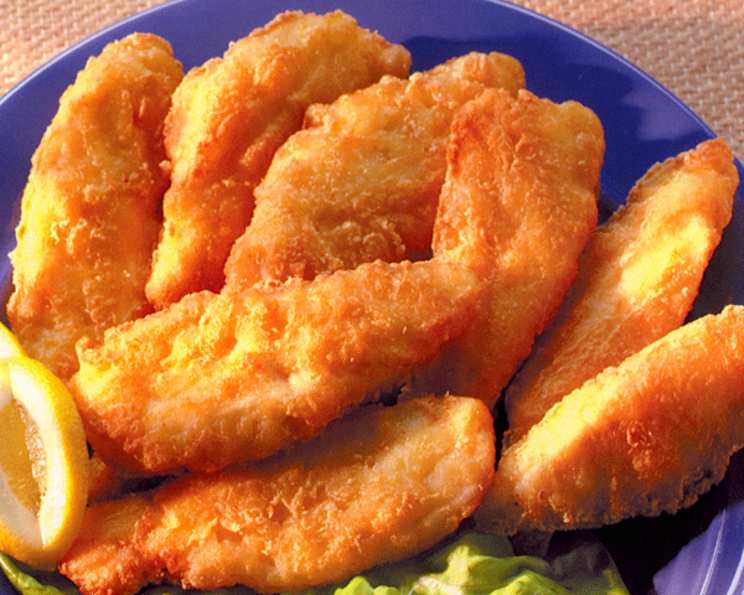
Long John Silver’s Battered Fish: A Culinary Voyage Home
The scent of the sea, mingled with the comforting aroma of fried food, always transports me back to childhood summers. Our family tradition was simple: after a long day building sandcastles and chasing waves, we’d pile into the car, sandy and sun-kissed, and head to Long John Silver’s. The anticipation of that first bite of flaky, battered fish was almost unbearable – a crispy golden shell giving way to tender, steaming white fish. It was pure, unadulterated joy on a plate, a memory I’ve carried with me ever since. Now, I’m excited to share a recipe that captures that same magic, allowing you to recreate those nostalgic flavors in your own kitchen.
Recipe Overview
- Prep Time: 25 minutes
- Cook Time: 20 minutes
- Total Time: 45 minutes
- Servings: 6
- Yield: 6 pieces of fish
- Dietary Type: Not Gluten-Free
Ingredients
For the Fish:
- 1 ½ – 2 lbs boneless white fish (such as cod, halibut, or pollock)
For the Dry Batter and Dredging:
- 2 ¾ cups all-purpose flour
- 6 tablespoons cornstarch
- 1 tablespoon masa harina (optional, adds a subtle corn flavor and crispness)
- 1 tablespoon fine sea salt
- 2 teaspoons powdered sugar
- 1 teaspoon baking powder
- 1 teaspoon baking soda
- ¾ teaspoon Accent seasoning (MSG; optional, but enhances flavor)
- ½ teaspoon white pepper
- ⅜ teaspoon ground fennel
- ⅜ teaspoon ground tarragon
- ⅜ teaspoon ground turmeric
- ¼ teaspoon celery salt
- ¼ teaspoon garlic powder
- ¼ teaspoon onion powder
- ¼ teaspoon paprika
For the Liquid Batter:
- 1 ¾ cups cold water
- 2 tablespoons lemon juice
- ¾ teaspoon malt vinegar
For Deep Frying:
- Canola oil (or other high-heat oil)
Equipment Needed
- Deep fryer or large, heavy-bottomed pot
- Deep fryer basket (if using a deep fryer)
- Large mixing bowls
- Whisk
- Flat metal spatula
- Absorbent paper towels
Instructions
- If using frozen fish, thaw it completely. Cut the boneless white fish fillets into pieces approximately 3-inches by 4-inches.
- Prepare a light sea salt/water bath (the brine should be about as salty as the ocean). Brine the fish in this solution for 20 minutes. This helps to season the fish and keep it moist during frying.
- Pour enough canola oil into your deep fryer or heavy-bottomed pot to completely immerse the fish. If using a deep fryer, insert the basket.
- Preheat the oil slowly in gradual increments to 360°F (182°C). Use a thermometer to ensure accurate temperature control.
- Measure all the DRY BATTER AND DREDGING ingredients into a large bowl. Whisk the mixture very well until thoroughly blended. This ensures even distribution of the spices and leavening agents.
- Remove 2 cups of the dry batter mixture and transfer it to another large bowl. This portion will be used for the batter.
- Into the bowl containing the 2 cups of reserved dry batter, whisk in the LIQUID BATTER ingredients. Mix until just combined. Avoid over-mixing, as this can develop the gluten in the flour and result in a tough batter. A few lumps are okay.
- Remove the fish from the sea salt bath. Blot the fish lightly with paper towels to remove excess moisture.
- Coat the fish very lightly on all sides with the reserved dry dredging mixture. Be careful not to tear or break the delicate fish. Use a flat metal spatula to turn the fish if necessary. The dredging helps the batter adhere to the fish.
- Dip the dredged fish into the prepared batter to coat evenly, using a flat spatula to lift it out.
- Allow excess batter to drain off. This prevents excessive oil splatter and ensures a crispier coating.
- Drop the battered fish slowly and carefully into the preheated fryer.
- Make sure the fish doesn’t sink and stick to the bottom of the fryer basket. If this happens, lift the basket and carefully loosen the fish with a flat stainless steel spatula.
- Deep-fry the fish in the preheated 360°F canola oil without overcrowding the fryer. Fry until the breading is golden brown and the fish is tender and flaky. This typically takes 3-5 minutes, depending on the thickness of the fish.
- Place the cooked fish on absorbent paper towels to drain excess oil. Keep the fillets warm in a preheated 170°F (77°C) oven if necessary while frying the remaining fish.
- Repeat the frying process with the remaining fish.
- Allow the hot fried fish to cool slightly before serving.
- Serve with fresh lemon slices and your desired condiments – tartar sauce, cocktail sauce, creamed horseradish, hot sauce, or malt vinegar.
Expert Tips & Tricks
- Don’t overcrowd the fryer. Fry the fish in batches to maintain the oil temperature and ensure even cooking.
- Maintain the oil temperature. Use a thermometer to monitor the oil temperature and adjust the heat as needed. If the oil is too cool, the fish will be greasy; if it’s too hot, the batter will burn before the fish is cooked through.
- For extra crispy fish, double-dip the fish in the batter. After the initial dip, let the excess batter drip off, then dip it again.
- If you don’t have masa harina, you can substitute an equal amount of cornmeal or omit it altogether. The masa harina contributes to the crispness of the batter.
- To easily grind the fennel seeds, pulse them in a clean spice mill or coffee grinder along with the cornstarch and sea salt until finely ground. This ensures even distribution of the fennel flavor.
- If using self-rising flour: reduce the sea salt to 1 ½ teaspoons, omit the baking powder and baking soda, and use regular water instead of cold water.
Serving & Storage Suggestions
Serve the battered fish immediately while it’s hot and crispy. Arrange the fish on a platter with lemon wedges, tartar sauce, cocktail sauce, and your favorite sides, such as coleslaw, french fries, or hush puppies.
Leftover fried fish can be stored in an airtight container in the refrigerator for up to 2 days. To reheat, bake in a preheated 350°F (175°C) oven for 10-15 minutes, or until heated through. For best results, reheat in a single layer on a baking sheet. Microwaving is not recommended, as it will make the fish soggy. Freezing is not recommended, as the texture will degrade.
Nutritional Information
Note: These values are estimates and may vary based on specific ingredients and preparation methods.
| Nutrient | Amount per Serving | % Daily Value |
|---|---|---|
| Calories | 400 kcal | 20% |
| Total Fat | 25g | 38% |
| Saturated Fat | 3g | 15% |
| Cholesterol | 50mg | 17% |
| Sodium | 1800mg | 75% |
| Total Carbohydrate | 35g | 12% |
| Dietary Fiber | 2g | 8% |
| Sugars | 2g | – |
| Protein | 15g | 30% |
Variations & Substitutions
- Gluten-Free Battered Fish: Use a gluten-free all-purpose flour blend in place of regular all-purpose flour.
- Spicy Battered Fish: Add a pinch of cayenne pepper or red pepper flakes to the dry batter mixture for a spicy kick.
- Beer Battered Fish: Substitute beer for some of the cold water in the liquid batter for a richer flavor.
- Alternative Fish: Experiment with other types of white fish, such as tilapia or whiting.
FAQs (Frequently Asked Questions)
Q: Can I use an air fryer instead of deep frying?
A: While deep frying provides the most authentic flavor and texture, you can air fry the fish for a healthier alternative. Preheat your air fryer to 400°F (200°C) and cook the fish for 10-12 minutes, flipping halfway through.
Q: Can I make the batter ahead of time?
A: It’s best to make the batter fresh, as the leavening agents (baking powder and baking soda) will lose their effectiveness over time. If you must make it ahead of time, store it in the refrigerator for no more than 30 minutes.
Q: What is Accent seasoning, and is it necessary?
A: Accent seasoning is a brand name for monosodium glutamate (MSG). It enhances the savory flavor of the fish. While it’s optional, it does contribute to the overall taste profile.
Q: My batter is too thick. What should I do?
A: Add a tablespoon or two of cold water at a time until you reach the desired consistency. The batter should be thick enough to coat the fish but not so thick that it’s gloppy.
Q: How do I prevent the fish from sticking to the bottom of the fryer?
A: Ensure the oil is at the correct temperature before adding the fish. Also, avoid overcrowding the fryer. If the fish does stick, gently loosen it with a flat spatula.
Final Thoughts
This recipe is more than just a set of instructions; it’s a culinary journey back to happy memories. I hope you enjoy recreating this classic dish and sharing it with your loved ones. Don’t be afraid to experiment with the seasonings and customize it to your own taste. And please, let me know how it turns out! I’d love to hear your feedback and any variations you try. Serve it alongside some crispy fries and creamy coleslaw for a truly unforgettable meal. Happy frying!