
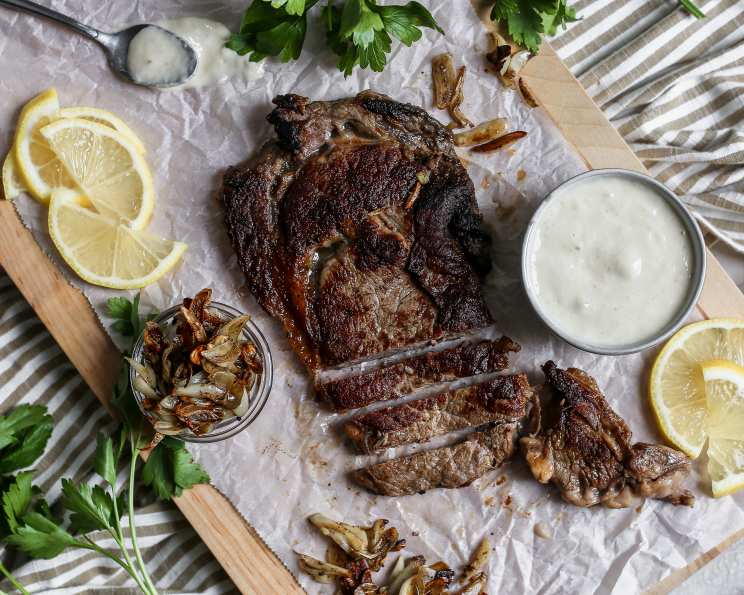
Recreating Longhorn Steakhouse Steaks at Home
The aroma of sizzling steak, kissed with butter and a hint of lemon, always takes me back to family dinners. Growing up, a trip to Longhorn Steakhouse was a special occasion. I remember the excited anticipation as we waited for our steaks, the juicy tenderness of each bite, and the satisfied sighs around the table. It was more than just a meal; it was a memory in the making, a celebration of togetherness centered around that perfectly cooked piece of beef. Now, I’m going to show you how to bring that same experience right to your own kitchen. This recipe comes from a reliable source—someone who spent years working in a Longhorn Steakhouse kitchen and shared their secrets with me.
Recipe Overview
- Prep Time: 5 minutes
- Cook Time: 4-8 minutes
- Total Time: 9-13 minutes
- Servings: 2
- Yield: 2 steaks
- Dietary Type: Varies based on steak cut
Ingredients
- 2 steaks, fresh and never frozen (1-inch thick, any kind except prime rib)
- 2-4 tablespoons butter (not margarine)
- 1 lemon, juice of
- Lawry’s Seasoned Salt
Equipment Needed
- Large nonstick skillet (cast iron skillet recommended)
- Lid for skillet
Instructions
-
Begin by taking the steaks out of the refrigerator and allowing them to come to room temperature. This is crucial for even cooking, preventing the outside from overcooking before the inside reaches the desired doneness. This usually takes about 30 minutes to an hour, depending on the room temperature.
-
While the steaks are resting, heat a large nonstick skillet (a cast iron skillet is highly recommended for its superior heat retention and even distribution) on high heat until it is very hot. You want the pan to be screaming hot so that the steak sears properly and develops a delicious crust.
-
Rub both sides of the steaks lightly with Lawry’s Seasoned Salt. Don’t overdo it, as this seasoning is quite potent. A light dusting is all you need.
-
Add half of the butter (1-2 tablespoons) and half of the lemon juice to the hot skillet. The butter will melt quickly, and the lemon juice will sizzle. Immediately add one steak to the center of the skillet. The combination of butter and lemon juice adds richness and brightness to the steak.
-
Cook for 2-4 minutes on each side, depending on the thickness of the steak and your desired level of doneness. Place a lid on the skillet while cooking. This helps to trap the heat and cook the steak more evenly. It is imperative to ensure the kitchen is well ventilated, as this process can produce a significant amount of smoke.
-
Do not poke holes in the steak to test for doneness. This releases valuable juices and will result in a drier, less flavorful steak. Use a meat thermometer to accurately gauge the internal temperature, or employ the finger test: Press the center of the steak with your finger; it should feel similar to the fleshy part of your palm when your hand is relaxed for rare, slightly firmer for medium-rare, and so on.
-
Once the steak is cooked to your liking, remove it from the skillet and repeat the process with the other steak, using the remaining butter and lemon juice.
-
After cooking both steaks, let them sit for 2-3 minutes to allow the juices to redistribute throughout the meat. This step is critical for a tender and juicy steak. Tent the steaks loosely with foil to keep them warm while they rest.
-
When ready to serve, you can add additional butter, lemon juice, and Lawry’s Seasoned Salt to your liking. A pat of fresh butter on top of the resting steak will melt beautifully and add an extra layer of richness.
Expert Tips & Tricks
- Don’t overcrowd the pan: Cooking one steak at a time ensures the pan temperature stays high enough to achieve a good sear.
- Use a meat thermometer: For perfect doneness every time, invest in a good-quality meat thermometer.
- Experiment with seasonings: While Lawry’s is the key ingredient, feel free to add a pinch of black pepper or garlic powder for extra flavor.
- Clarify the butter: For even better flavor, use clarified butter (ghee). This removes the milk solids and allows the butter to brown beautifully without burning.
- High heat is key: The goal is to create a delicious crust on the outside of the steak while keeping the inside juicy and tender. A screaming hot pan is essential for achieving this.
Serving & Storage Suggestions
Serve your Longhorn-style steak immediately with your favorite sides, such as mashed potatoes, roasted vegetables, or a crisp salad. For a truly authentic experience, pair it with a loaded baked potato.
Leftover steak can be stored in an airtight container in the refrigerator for up to 3-4 days. To reheat, gently warm the steak in a skillet over low heat or in a preheated oven at 300°F (150°C) until heated through. Avoid overcooking, as this will dry out the steak. You can also slice the cold steak thinly and use it in salads, sandwiches, or wraps. Freezing cooked steak is not recommended, as it can significantly alter the texture.
Nutritional Information
(Estimated, based on a 6-ounce sirloin steak)
| Nutrient | Amount per Serving | % Daily Value |
|---|---|---|
| Calories | 450 kcal | 23% |
| Total Fat | 30g | 46% |
| Saturated Fat | 15g | 75% |
| Cholesterol | 120mg | 40% |
| Sodium | 500mg | 22% |
| Total Carbohydrate | 2g | 1% |
| Dietary Fiber | 0g | 0% |
| Sugars | 1g | – |
| Protein | 40g | 80% |
Variations & Substitutions
- Steak Cut: While the recipe works with most steak cuts (except prime rib), consider using ribeye, New York strip, or sirloin for best results.
- Seasoning: If you don’t have Lawry’s Seasoned Salt, you can create your own blend using salt, paprika, garlic powder, onion powder, and a pinch of sugar.
- Herb Butter: Infuse the butter with fresh herbs like thyme, rosemary, or garlic for an extra layer of flavor.
- Wine Reduction Sauce: Create a simple pan sauce by deglazing the skillet with red wine after cooking the steaks.
FAQs (Frequently Asked Questions)
Q: Why is it important to let the steak come to room temperature?
A: Bringing the steak to room temperature allows it to cook more evenly, preventing the outside from overcooking before the inside reaches the desired doneness.
Q: Can I use margarine instead of butter?
A: No, butter is essential for the flavor and browning of the steak. Margarine will not provide the same results.
Q: How do I know when the steak is cooked to my liking?
A: Use a meat thermometer to check the internal temperature. For medium-rare, aim for 130-135°F (54-57°C); for medium, 135-145°F (57-63°C); and for medium-well, 145-155°F (63-68°C).
Q: What if I don’t have a cast iron skillet?
A: A heavy-bottomed stainless steel skillet will also work, but cast iron is preferred for its superior heat retention.
Q: Can I grill the steak instead of cooking it in a skillet?
A: Yes, you can grill the steak using the same seasonings and cooking times. Just be sure to preheat the grill to high heat.
Final Thoughts
Now you have the secret to recreating those delicious Longhorn Steakhouse steaks right in your own kitchen. This recipe is surprisingly simple, yet yields incredibly flavorful and tender results. Don’t be afraid to experiment with different cuts of steak and seasonings to find your perfect combination. Gather your family and friends, fire up that skillet, and prepare to enjoy a restaurant-quality meal without ever leaving home. I encourage you to try this recipe and share your feedback – and don’t forget to pair it with a nice glass of red wine!