
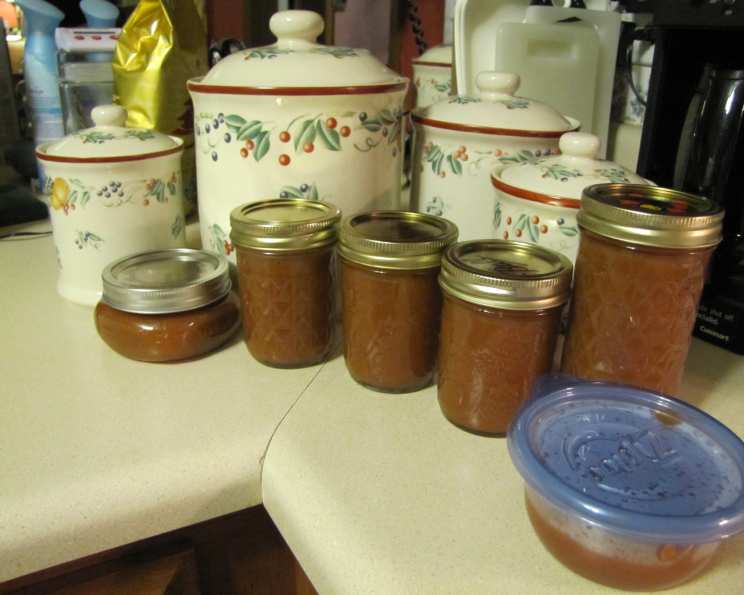
Golden Sunshine in a Jar: Homemade Loquat Butter
The first time I tasted loquat butter, it was a revelation. I was visiting a dear friend in California, whose sprawling backyard was a veritable Eden of fruit trees. The star, however, was a massive loquat tree, laden with vibrant, golden-orange fruits. My friend, a seasoned jam-maker, presented me with a small jar of the most intensely flavored, sunshine-colored spread I’d ever encountered. One bite on a warm biscuit, and I was hooked. The sweet-tart complexity, the hint of spice, and the memories of that sun-drenched afternoon are forever captured in this simple yet extraordinary preserve.
Recipe Overview
- Prep Time: 30 minutes
- Cook Time: 1 hour
- Total Time: 1 hour 30 minutes
- Yields: About 4 half-pint jars
- Dietary Type: Vegetarian, Gluten-Free
Ingredients
- 4 lbs loquats
- ¾ cup bottled lemon juice
- 1 cup water
- 1 lemon, cut in half
- 2 whole cinnamon sticks
- 3 cups sugar
Equipment Needed
- Large saucepan or stockpot
- Wooden spoon or heat-resistant spatula
- Food processor or food mill
- Heavy-bottomed pan or Dutch oven
- Canning jars (half-pint or pint)
- Jar lifter
- Water bath canner
Instructions
- Begin by thoroughly washing the loquats. This removes any dirt or debris from the fruit.
- Next, prepare the loquats by removing the ends and seeds from each fruit. The easiest way to do this is to cut each loquat in half.
- Cut the halved loquats into smaller pieces and place them into a large saucepan or stockpot.
- Add the ¾ cup of bottled lemon juice and 1 cup of water to the saucepan.
- Now, add the lemon halves and cinnamon sticks to the mixture. The lemon halves add additional pectin and brightness, while the cinnamon sticks infuse a warm, comforting spice.
- Bring the mixture to a boil over medium-high heat, stirring occasionally to prevent sticking.
- Once boiling, reduce the heat to medium-low and cook for 30 minutes, stirring occasionally. This allows the loquats to soften and release their juices.
- Remove the lemon halves and cinnamon sticks from the saucepan. They have imparted their flavor and are no longer needed.
- Continue cooking the loquat mixture until it becomes very soft and mushy. This may take an additional 15-20 minutes. Keep stirring to prevent scorching.
- Puree the cooked loquat mixture. You can use a food processor for a smoother texture or a food mill for a slightly more rustic consistency. Work in batches to avoid overflowing your processor.
- Transfer the pureed loquat mixture to a heavy-bottomed pan or Dutch oven. This type of pan will help to prevent the butter from scorching.
- Add the 3 cups of sugar to the pureed loquat in the heavy-bottomed pan.
- Stir occasionally over medium heat for 15-20 minutes, or until the puree thickens and becomes spreadable. Be patient; the butter will thicken as it cools, so don’t overcook it. A good test is to place a small spoonful on a chilled plate. If it sets up quickly and doesn’t run, it’s ready.
- While the butter is simmering, prepare your canning jars. Ensure they are clean and sterilized according to standard canning procedures. This involves washing them in hot, soapy water and then keeping them hot in simmering water until ready to fill.
- Once the loquat butter is thick and spreadable, fill the hot, sterilized jars, leaving ¼ inch of headspace at the top.
- Clean the rims of the jars with a damp cloth to ensure a good seal.
- Seal the jars with sterilized lids and rings.
- Process the filled jars in a water bath canner for 10 minutes. This ensures a proper seal and prevents spoilage.
- Remove the jars from the canner using a jar lifter and place them on a towel-lined surface to cool completely.
- As the jars cool, you should hear a “pop” indicating that a vacuum seal has formed. After cooling, check the seals by pressing down on the center of each lid. If it flexes, the jar is not properly sealed and should be refrigerated and used promptly.
Expert Tips & Tricks
- To enhance the flavor, consider adding a pinch of ground cloves or nutmeg along with the cinnamon sticks.
- If you prefer a smoother texture, strain the pureed loquat mixture through a fine-mesh sieve before adding the sugar.
- Be careful not to overcook the loquat butter, as it can become too thick and sticky.
- For a deeper flavor, use brown sugar instead of granulated sugar. The molasses notes complement the loquats beautifully.
- If your loquats are particularly tart, you may need to add a bit more sugar to achieve the desired sweetness. Taste as you go!
Serving & Storage Suggestions
Loquat butter is incredibly versatile. It’s delicious spread on toast, scones, or muffins. It also makes a wonderful accompaniment to cheese plates or can be used as a filling for pastries and tarts. Serve it alongside grilled meats for a sweet and tangy contrast.
Properly sealed jars of loquat butter can be stored in a cool, dark place for up to a year. Once opened, refrigerate the jar and use within a few weeks. If you did not water-bath can the jars, store them in the refrigerator for up to 3 weeks, or freeze for up to 3 months.
Nutritional Information
(Approximate values per tablespoon)
| Nutrient | Amount per Serving | % Daily Value |
|---|---|---|
| Calories | 60 kcal | 3% |
| Total Fat | 0g | 0% |
| Saturated Fat | 0g | 0% |
| Cholesterol | 0mg | 0% |
| Sodium | 1mg | 0% |
| Total Carbohydrate | 15g | 5% |
| Dietary Fiber | 0g | 0% |
| Sugars | 15g | N/A |
| Protein | 0g | 0% |
Note: Nutritional information is an estimate and may vary based on ingredient variations.
Variations & Substitutions
- For a vegan version, ensure your sugar is processed without bone char. Many brands are vegan-friendly.
- Add a splash of vanilla extract or almond extract at the end of cooking for an extra layer of flavor.
- Substitute the cinnamon sticks with a star anise for a slightly different spice profile.
- If you don’t have bottled lemon juice, fresh lemon juice can be used, but be sure to strain it well to remove any seeds or pulp.
- For a lower-sugar version, experiment with using a sugar substitute like stevia or erythritol. Keep in mind that this may affect the texture and cooking time.
FAQs (Frequently Asked Questions)
Q: What do loquats taste like?
A: Loquats have a unique sweet-tart flavor, often described as a cross between an apricot, a plum, and a citrus fruit. The taste can vary depending on the variety and ripeness.
Q: Can I use frozen loquats for this recipe?
A: Yes, you can use frozen loquats. Thaw them completely before using, and drain any excess liquid.
Q: Do I need to peel the loquats before making butter?
A: No, you don’t need to peel the loquats. The skins will soften during cooking and blend smoothly with the rest of the ingredients.
Q: Why is my loquat butter too runny?
A: The butter may not have been cooked long enough. Continue simmering over low heat, stirring frequently, until it reaches a thicker consistency.
Q: Can I make this recipe without canning it?
A: Yes, you can skip the water bath canning process if you plan to store the loquat butter in the refrigerator and use it within a few weeks.
Final Thoughts
Loquat butter is more than just a delicious spread; it’s a taste of sunshine, a reminder of simple pleasures, and a testament to the magic of homemade goodness. I encourage you to give this recipe a try, especially if you have access to fresh loquats. Share it with friends and family, and let them experience the joy of this unique and flavorful preserve. I’d love to hear about your experiences, variations, and serving suggestions! Happy preserving!