
Loquat Chutney: A Taste of Unexpected Bounty
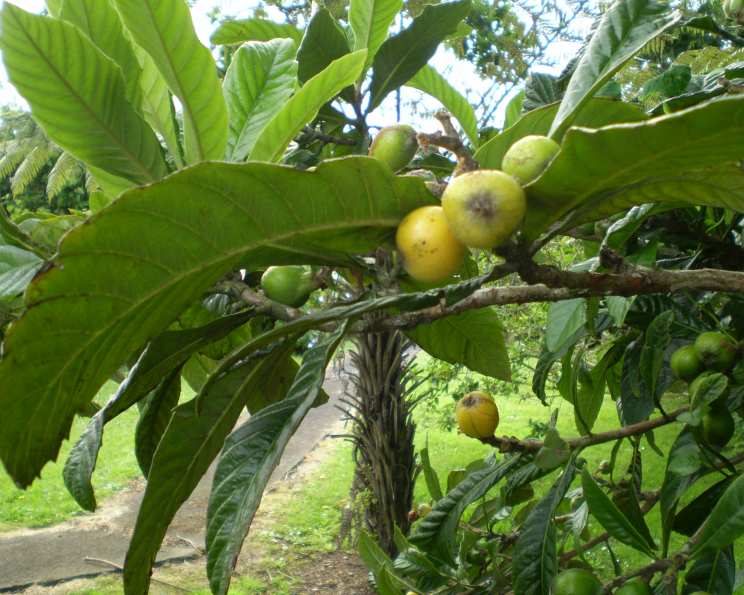
The first time I tasted loquat chutney, it was a revelation. I’d always known loquats as those slightly tart, vaguely apricot-like fruits that grew wild in my grandmother’s garden. We’d eat them straight from the tree, sticky juice running down our chins. One year, my grandmother, ever the resourceful cook, decided to transform a glut of the golden fruit into chutney. The sweet-sour tang, the warmth of ginger, the gentle kick of chili – it was an alchemy that elevated the humble loquat to something truly special. That first bite brought a chorus of flavors that danced on my tongue, forever changing my perception of this underrated fruit.
Recipe Overview
- Prep Time: 45 minutes
- Cook Time: 1 hour 30 minutes
- Total Time: 2 hours 15 minutes
- Yields: Approximately 2.5 liters
- Serves: 120 (as a condiment)
- Dietary Type: Vegan
Ingredients
- 650g Loquats (after removing stones)
- 4 large Apples
- 300g Dried Apricots
- 80g Ginger Root
- 4 tablespoons Mustard Seeds
- 500g Raw Sugar
- 750ml Cider Vinegar
- 2 teaspoons Salt
- 2 teaspoons Crushed Chilies
Equipment Needed
- Large, heavy-bottomed saucepan
- Sharp knife
- Cutting board
- Sterilized jars with lids
- Oven
- Heatproof gloves or tongs
Instructions
-
Begin by preparing the loquats. Trim the stem and flower end from each fruit. Then, halve the loquats and carefully remove the stones and any membrane that surrounds them. Don’t worry if the cut edges brown slightly; they’ll regain their color during cooking. It’s not necessary to peel the loquats.
-
Next, prepare the apples. Peel them, core them, and cut them into small cubes. This ensures they cook down evenly and contribute to the chutney’s overall texture.
-
Now, prepare the dried apricots. Cut them into thin strips. This helps them to distribute evenly throughout the chutney and prevents them from clumping together.
-
Prepare the ginger root. Peel the ginger and cut it into fine julienne strips. The smaller the strips, the more readily the ginger’s flavor will infuse the chutney.
-
Prepare the mustard seeds. Crush a portion of the mustard seeds – about a tablespoon – to release their pungent flavor. Leave the remaining seeds whole for a visual pop and a burst of flavor when you bite into them.
-
Combine all the ingredients. Place the prepared loquats, apples, apricots, ginger, mustard seeds, raw sugar, cider vinegar, salt, and crushed chilies into a large, heavy-bottomed saucepan.
-
Bring to a boil. Place the saucepan over medium-high heat and bring the mixture to a rolling boil.
-
Simmer until thickened. Once boiling, reduce the heat to low and simmer gently for approximately 1 hour and 30 minutes, or until the apples have cooked down to a pulp and the chutney has thickened considerably. Stir the mixture occasionally to prevent it from sticking to the bottom of the pan and burning. Adjust heat accordingly to maintain a gentle simmer.
-
Sterilize the jars. While the chutney is simmering, sterilize the jars and lids. There are several ways to do this, but one easy method is to preheat the oven to 250°F (120°C) and place the clean, empty jars on a baking sheet. Heat for at least 20 minutes. Place the lids in a small saucepan of simmering water to soften the rubber seals.
-
Jar the chutney. Carefully remove the hot, sterilized jars from the oven (use heatproof gloves or tongs!). Ladle the hot chutney into the hot jars, leaving about 1/2 inch of headspace at the top. Wipe the rim of each jar clean with a damp cloth, then place the lid on top and screw the band on tightly.
-
Ensure proper sealing (optional). To ensure a good seal, you can process the filled jars in a boiling water bath for 10 minutes. However, this step is not strictly necessary if you’ve sterilized the jars properly and filled them with hot chutney.
-
Cool and store. Let the jars cool completely at room temperature. As they cool, you should hear a “pop” sound, indicating that the jars have sealed properly. Store the sealed jars in a cool, dry, dark place for up to 9 months. Opened jars should be stored in the refrigerator.
Expert Tips & Tricks
- Spice Level: Adjust the amount of crushed chilies to your preference. If you prefer a milder chutney, start with just 1 teaspoon and taste as it cooks. You can always add more later.
- Sugar Selection: Using raw sugar adds a deeper, molasses-like flavor to the chutney. If you don’t have raw sugar, you can substitute it with granulated sugar or brown sugar.
- Consistency: The chutney will thicken further as it cools. To test the consistency, place a small spoonful on a chilled plate. If it sets up to your liking, it’s ready to be jarred. If it’s too thin, continue simmering for a bit longer.
- Preventing Sticking: To prevent the chutney from sticking to the bottom of the pan, use a heavy-bottomed saucepan and stir it frequently, especially during the last 30 minutes of cooking.
Serving & Storage Suggestions
Loquat chutney is incredibly versatile and can be served with a variety of dishes. It’s a delicious accompaniment to:
- Cheese and crackers: The sweet-tangy flavor pairs beautifully with both hard and soft cheeses.
- Grilled meats: Serve it alongside grilled chicken, pork, or lamb for a burst of flavor.
- Indian dishes: Use it as a condiment with curries, samosas, or papadums.
- Sandwiches and wraps: Spread it on sandwiches or wraps for a unique twist.
Once opened, store the chutney in the refrigerator for up to 2 weeks. Properly sealed jars can be stored in a cool, dark place for up to 9 months.
Nutritional Information
Please note that these values are approximate and can vary based on specific ingredients and portion sizes.
| Nutrient | Amount per Serving (1 tbsp) | % Daily Value* |
|---|---|---|
| Calories | 30 kcal | 1.5% |
| Total Fat | 0g | 0% |
| Saturated Fat | 0g | 0% |
| Cholesterol | 0mg | 0% |
| Sodium | 40mg | 2% |
| Total Carbohydrate | 7g | 2.5% |
| Dietary Fiber | 0.5g | 2% |
| Sugars | 6g | N/A |
| Protein | 0g | 0% |
*Based on a 2,000-calorie diet.
Variations & Substitutions
- Spice It Up: For an extra kick, add a pinch of cayenne pepper or a finely chopped red chili to the chutney.
- Vinegar Variations: Experiment with different types of vinegar, such as white wine vinegar or balsamic vinegar, for a unique flavor profile.
- Fruit Combinations: Add other fruits, such as peaches, plums, or pears, to the chutney for a more complex flavor.
- Nutty Crunch: Add a handful of toasted almonds or walnuts to the chutney during the last 15 minutes of cooking for a nutty crunch.
FAQs (Frequently Asked Questions)
Q: Can I use frozen loquats for this chutney?
A: Yes, you can use frozen loquats, but be sure to thaw them completely and drain off any excess liquid before adding them to the chutney. This will prevent the chutney from becoming too watery.
Q: Do I have to peel the apples?
A: No, you don’t have to peel the apples. However, peeling them will result in a smoother chutney.
Q: Can I make this chutney without sugar?
A: While you can reduce the amount of sugar, it’s important for preserving the chutney and balancing the acidity of the vinegar. You could try using a natural sweetener like honey or maple syrup, but be aware that this may affect the flavor and texture of the final product.
Q: How do I know if the chutney is ready?
A: The chutney is ready when the apples have cooked down to a pulp and the mixture has thickened considerably. To test the consistency, place a small spoonful on a chilled plate. If it sets up to your liking, it’s ready to be jarred.
Q: Why is my chutney too runny?
A: If your chutney is too runny, continue simmering it over low heat until it reaches the desired consistency. Be sure to stir it frequently to prevent it from sticking to the bottom of the pan.
Final Thoughts
Loquat chutney is a delightful way to capture the taste of summer and transform a humble fruit into a culinary gem. This recipe, carefully tweaked and perfected, offers a balance of sweet, tangy, and spicy flavors that will tantalize your taste buds. Whether you have a loquat tree overflowing with fruit or simply want to try something new and exciting, I encourage you to give this recipe a try. I can’t wait to hear how you like it! Serve it with your favorite cheese, grilled meats, or Indian dishes and share the unexpected bounty with friends and family.