
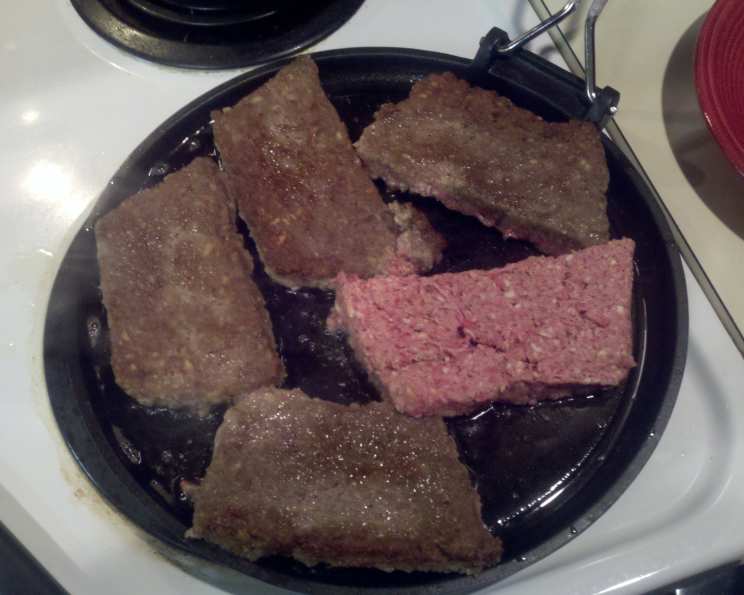
The Quintessential Scottish Breakfast: Homemade Lorne Sausage
My first taste of Lorne sausage, or “square sausage” as my Glaswegian grandmother affectionately called it, remains etched in my memory. I was a picky child, unimpressed by most breakfast fare. But the savory, peppery aroma that wafted from her cast-iron pan was irresistible. Sizzling squares of seasoned meat, nestled beside a perfectly fried egg and a slice of buttered toast – it was breakfast perfection and a comforting taste of Scotland that I’ve carried with me ever since.
Recipe Overview
- Prep Time: 20 minutes
- Cook Time: 15 minutes
- Total Time: 35 minutes
- Servings: 8-10
- Yield: 1 loaf
- Dietary Type: Not Gluten-Free
Ingredients
- 1 lb ground beef
- 1 lb ground pork
- 1 lb ground lamb
- 1 lb ground veal
- 3 cups crushed saltine crumbs
- 2 teaspoons pepper
- 2 teaspoons nutmeg
- 3 teaspoons coriander
- 3 teaspoons salt
- 1 pinch cayenne pepper
- 1 cup water
Equipment Needed
- Large mixing bowl
- Greased bread pan
- Freezer
- Sharp knife
- Cast iron skillet (recommended)
Instructions
-
In a large mixing bowl, combine the ground beef, ground pork, ground lamb, and ground veal. Ensure the meats are evenly distributed for consistent flavor throughout the sausage.
-
Add the crushed saltine crumbs to the meat mixture. The crumbs act as a binder and provide a subtle, characteristic texture. If you don’t have saltines, plain breadcrumbs can be used in a pinch, but the flavor will be slightly different.
-
Introduce the spices: pepper, nutmeg, coriander, salt, and cayenne pepper. Mix thoroughly to ensure even seasoning. The combination of these spices is what gives Lorne sausage its distinctive, savory flavor. The cayenne adds just a hint of heat, so adjust according to your preference.
-
Pour the water into the bowl. The water helps to bind the ingredients together and create a more cohesive mixture.
-
Using your hands or a sturdy spoon, mix all ingredients together thoroughly. The mixture should be well combined and slightly sticky. Knead it for a few minutes to ensure everything is properly incorporated.
-
Press the mixture firmly into a greased bread pan. Make sure the sausage mixture is evenly distributed and tightly packed to create a uniform loaf. Use your hands or the back of a spoon to flatten the top and smooth out any bumps.
-
Place the bread pan in the freezer and allow it to set, but do NOT freeze completely. The goal is for the sausage to firm up enough to slice easily, but not become rock solid. This typically takes about 1-2 hours, depending on your freezer.
-
Remove the bread pan from the freezer. Turn the sausage loaf out onto a cutting board.
-
Using a sharp knife, slice the sausage to your desired thickness. Traditionally, Lorne sausage is sliced into squares about 1/2 inch thick, but feel free to adjust to your liking.
-
Heat a bit of oil in a cast iron skillet over medium heat.
-
Fry the sausage slices in the hot skillet until they are cooked through and browned on both sides. This usually takes about 3-5 minutes per side. Watch carefully to prevent burning. You can also cook the sausage on a griddle or in a non-stick frying pan if you don’t have a cast-iron skillet.
Expert Tips & Tricks
-
Meat Quality: The quality of the ground meats is crucial for the final flavor. Use fresh, high-quality meats from a reputable butcher if possible.
-
Spice Adjustment: Feel free to adjust the amount of spices to suit your taste. If you prefer a spicier sausage, add more cayenne pepper or a dash of smoked paprika.
-
Crumb Consistency: The consistency of the saltine crumbs can affect the texture of the sausage. For a smoother sausage, use finely ground crumbs. For a more rustic texture, use coarsely crushed crumbs.
-
Freezing for Later: The uncooked sausage loaf can be frozen for longer storage. Wrap it tightly in plastic wrap and then in foil. Thaw completely in the refrigerator before slicing and cooking.
-
Prevent Sticking: To prevent the sausage from sticking to the pan, make sure the skillet is properly heated and that you are using enough oil or fat. You can also add a small amount of butter to the skillet for extra flavor.
-
Doneness Check: Ensure the sausage is cooked through by checking the internal temperature with a meat thermometer. It should reach 160°F (71°C).
Serving & Storage Suggestions
Lorne sausage is traditionally served as part of a full Scottish breakfast, alongside fried eggs, bacon, black pudding, baked beans, and toast. It’s also delicious in a sausage roll or on a breakfast sandwich.
Leftover cooked sausage can be stored in the refrigerator for up to 3-4 days. Reheat in a skillet, microwave, or oven until heated through. You can also freeze cooked sausage for longer storage.
Do not leave cooked Lorne sausage at room temperature for more than two hours.
Nutritional Information
| Nutrient | Amount per Serving | % Daily Value |
|---|---|---|
| Calories | 540 kcal | 27% |
| Total Fat | 38 g | 58% |
| Saturated Fat | 15 g | 75% |
| Cholesterol | 167 mg | 56% |
| Sodium | 1082 mg | 45% |
| Carbohydrates | 5 g | 2% |
| Fiber | 0 g | 0% |
| Sugar | 0 g | 0% |
| Protein | 41 g | 82% |
Variations & Substitutions
-
Gluten-Free: To make this recipe gluten-free, substitute the crushed saltine crumbs with gluten-free breadcrumbs or a mixture of almond flour and tapioca starch.
-
Spicier Sausage: Add a pinch of red pepper flakes or a dash of hot sauce to the meat mixture for a spicier sausage.
-
Herby Sausage: Incorporate fresh herbs such as thyme, rosemary, or sage into the meat mixture for a more complex flavor profile.
-
Different Meats: Experiment with different combinations of ground meats to create your own unique Lorne sausage blend. Ground turkey or venison could be interesting additions.
-
Vegetarian Option: While not traditional, a vegetarian version can be made using plant-based ground meat alternatives and a binding agent like mashed beans or lentils.
FAQs (Frequently Asked Questions):
Q: Can I use only one type of ground meat instead of a mixture?
A: While you can, using a combination of ground meats creates a more complex and flavorful sausage. The different fat contents and textures contribute to the overall taste and mouthfeel.
Q: How do I prevent the sausage from crumbling when slicing?
A: Ensuring the sausage is properly chilled in the freezer before slicing is key. It should be firm enough to hold its shape but not frozen solid. A sharp knife is also essential.
Q: Can I bake the sausage instead of frying it?
A: Yes, you can bake the sausage loaf in a preheated oven at 350°F (175°C) for about 45-60 minutes, or until cooked through. However, frying it in a skillet will give it a more traditional and crispy exterior.
Q: What if I don’t have a bread pan?
A: You can use any loaf pan or even shape the sausage mixture into a log and wrap it tightly in plastic wrap before freezing.
Q: How long will the uncooked sausage last in the freezer?
A: Properly wrapped, the uncooked sausage can last in the freezer for up to 2-3 months without significant loss of quality.
Final Thoughts
Making your own Lorne sausage is a rewarding culinary adventure. The ability to control the ingredients and customize the flavor profile makes it a truly special experience. Don’t be afraid to experiment with different spices and meat combinations to create your own signature sausage. So, fire up that skillet, gather your ingredients, and prepare to enjoy a taste of Scotland that will transport you straight to the heart of a cozy kitchen. I encourage you to try this recipe and share your creations and feedback with me. Pair it with a strong cup of Scottish breakfast tea for the full experience!