
Mastering Low-Carb Pasta: A Culinary Adventure
The aroma of freshly cooked pasta has always been a source of comfort and joy in my life. As a child, I remember helping my grandmother roll out dough for her famous fettuccine. The kitchen would fill with flour dust and laughter as we worked side-by-side, creating a dish that was both simple and deeply satisfying. When I embraced a low-carb lifestyle, I thought those cherished pasta moments were gone forever. But through experimentation and a passion for culinary innovation, I discovered the joy of creating delicious, satisfying low-carb pasta that honors those memories without compromising my dietary goals.
Recipe Overview
- Prep Time: 20 minutes
- Cook Time: 5 minutes
- Total Time: 25 minutes
- Servings: 2
- Yield: About 8 ounces of pasta
- Dietary Type: Low-Carb, Gluten-Free (depending on protein powder)
Ingredients
- ½ cup soy flour
- ½ cup protein powder (whey, soy, or a blend – unflavored is best)
- ¼ teaspoon garlic powder
- ¼ teaspoon seasoning salt
- ½ cup water
- 1 egg (or 1 egg substitute)
Equipment Needed
- Mixing bowl
- Work surface (clean countertop or cutting board)
- Rolling pin
- Sharp knife or pasta cutter
- Dry towel
- Large pot
- Slotted spoon or pasta server
Instructions
-
In a mixing bowl, combine the soy flour, protein powder, garlic powder, and seasoning salt. Whisk together until well blended. This ensures even distribution of flavors throughout the pasta.
-
Add the egg (or egg substitute) and water to the dry ingredients. Mix well with a spoon or your hands until a dough forms. Don’t worry if it seems a bit sticky at first; that’s perfectly normal.
-
The dough will be sticky. Divide the dough in half. Working with one half at a time makes it easier to manage and roll out thinly. Cover the other half with a damp cloth to prevent it from drying out.
-
Dust your work surface liberally with protein powder. This prevents the dough from sticking and makes it easier to roll out. You may need to re-dust the surface frequently.
-
Place one half of the dough on the prepared work surface. Liberally dust the dough with protein powder as well.
-
Using a rolling pin, roll out the dough very, very thin. The thinner you roll it, the more authentic the pasta texture will be. Aim for a thickness similar to traditional pasta.
-
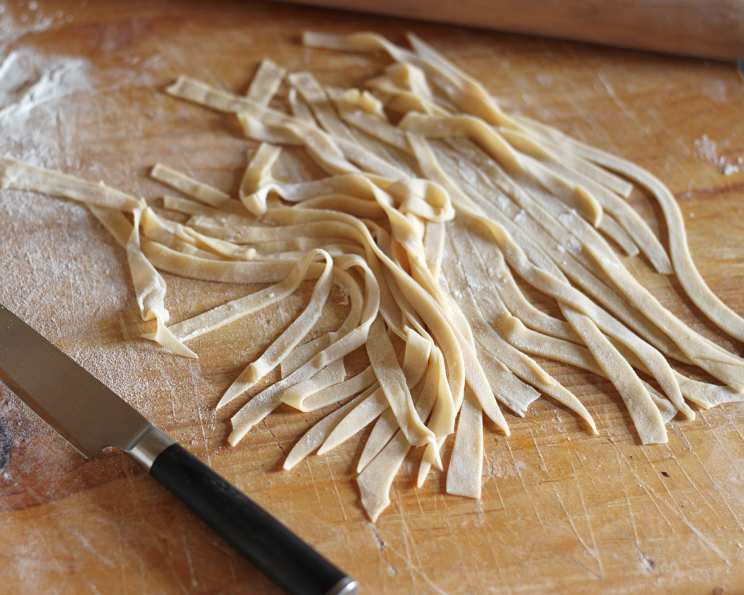
Once the dough is rolled out, fold it in half. Then, using a very sharp knife or a pasta cutter, cut the folded dough into strips. The width of the strips will determine the type of pasta you’re creating (e.g., fettuccine, linguine).
-
Place the cut strips onto a dry towel and let them air dry for about 2 hours. This step is crucial for removing excess moisture and preventing the pasta from sticking together when cooked.
-
To cook the pasta, bring a large pot of salted water to a rolling boil. The salt seasons the pasta from the inside out.
-
Carefully drop the dried pasta noodles into the boiling water. Be cautious, as the water may foam up due to the protein content.
-
Cook the pasta for approximately 5 minutes, or until it reaches your desired level of tenderness. The cooking time may vary slightly depending on the thickness of the noodles.
-
Drain the pasta using a slotted spoon or colander. Serve immediately with your favorite low-carb sauce.
Expert Tips & Tricks
- Protein Powder Choice: The type of protein powder you use will affect the final texture and taste. Whey protein tends to create a slightly chewier texture, while soy protein provides a smoother result. Experiment to find your preference.
- Dough Consistency: If the dough is too dry, add a teaspoon of water at a time until it comes together. If it’s too sticky, add a tablespoon of soy flour or protein powder.
- Rolling Technique: Roll the dough from the center outwards, rotating it as you go to ensure even thickness.
- Drying Time: Don’t skip the air-drying step! It’s essential for preventing the pasta from becoming mushy during cooking.
- Preventing Sticking: To prevent sticking after boiling, toss the cooked pasta with a little olive oil or butter immediately after draining.
Serving & Storage Suggestions
Serve your freshly cooked low-carb pasta immediately with your favorite low-carb sauce, such as a creamy Alfredo, a vibrant pesto, or a rich tomato sauce. Garnish with fresh herbs and a sprinkle of Parmesan cheese (if you include dairy).
Leftover cooked pasta can be stored in an airtight container in the refrigerator for up to 3 days. To reheat, you can microwave it with a splash of water or sauce, or sauté it in a pan with a little olive oil.
Uncooked, dried pasta can be stored in an airtight container at room temperature for up to a week.
Nutritional Information
| Nutrient | Amount per Serving | % Daily Value (approx.) |
|---|---|---|
| Calories | 250 kcal | 13% |
| Total Fat | 10g | 15% |
| Saturated Fat | 2g | 10% |
| Cholesterol | 100mg | 33% |
| Sodium | 200mg | 9% |
| Total Carbohydrate | 15g | 5% |
| Dietary Fiber | 5g | 20% |
| Sugars | 2g | |
| Protein | 25g | 50% |
Note: Nutritional information is an estimate and may vary based on specific ingredients and portion sizes.
Variations & Substitutions
- Dairy-Free: Replace the egg with an egg substitute. Ensure your protein powder is also dairy-free (e.g., soy protein, pea protein).
- Flavor Infusions: Add herbs or spices directly to the dough for a unique flavor profile. Try adding dried basil, oregano, or red pepper flakes.
- Different Flours: Experiment with other low-carb flours like almond flour or coconut flour, but be aware that this may affect the texture and require adjustments to the liquid content.
- Vegetable Purees: Incorporate pureed vegetables like spinach or butternut squash into the dough for added nutrients and color. Adjust the liquid content accordingly.
FAQs (Frequently Asked Questions)
Q: Why does the water foam up when I cook the pasta?
A: The high protein content of the pasta can cause the water to foam up during cooking. Keep a close eye on the pot and reduce the heat slightly if necessary.
Q: Can I freeze this low-carb pasta?
A: While you can freeze cooked pasta, the texture may be slightly altered upon thawing. It’s best to freeze it in individual portions with sauce for optimal results.
Q: My dough is too sticky. What should I do?
A: Add a tablespoon of soy flour or protein powder at a time until the dough becomes more manageable.
Q: Can I use a different type of protein powder?
A: Yes, you can use various protein powders, but be aware that each type will affect the texture and taste slightly. Whey, soy, and pea protein are all good options. Unflavored is generally recommended.
Q: How do I know when the pasta is cooked?
A: Cook the pasta until it reaches your desired level of tenderness. It should be slightly firm to the bite, similar to traditional pasta.
Final Thoughts
Creating your own low-carb pasta is a rewarding culinary experience that allows you to enjoy the comfort and flavors of traditional pasta without compromising your dietary goals. Don’t be afraid to experiment with different ingredients and techniques to find what works best for you. Share your creations with friends and family, and let them marvel at your culinary prowess. With a little practice, you’ll be a low-carb pasta master in no time! So, roll up your sleeves, embrace the process, and get ready to savor the taste of homemade low-carb pasta.