
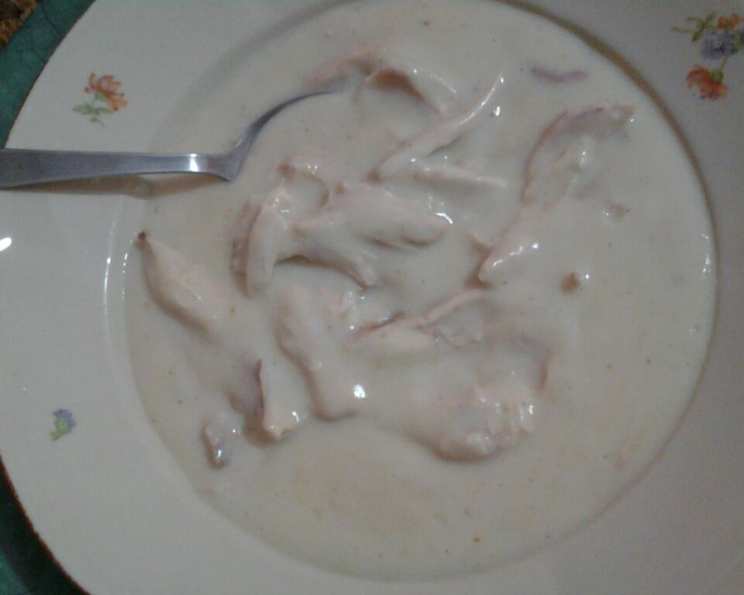
Creamy Dream: Mastering Low-Fat Bechamel Sauce
I’ll admit, the first time I heard about making a bechamel sauce with low-fat milk, I was skeptical. Bechamel, to me, was always a symphony of butter, flour, and full-fat milk, a rich indulgence that coated pasta and gratins in pure comfort. It was the kind of sauce my grandmother used to make, the aroma alone capable of transporting me back to her cozy kitchen. Yet, the challenge intrigued me – could I capture that same velvety texture and satisfying flavor while significantly reducing the fat? It turned out, with a few clever tweaks, the answer was a resounding yes.
Recipe Overview
- Prep Time: 5 minutes
- Cook Time: 20 minutes
- Total Time: 25 minutes
- Yields: 1 1/2 cups
- Dietary Type: Low-Fat
Ingredients
- 1 1/2 tablespoons cornstarch
- 1 1/2 cups low-fat milk (1%)
- 2 whole cloves
- 1/2 small onion
- 1 bay leaf
- Salt and pepper to taste
Equipment Needed
- Nonstick pan
- Whisk
- Sieve
- Bowl
Instructions
-
In a nonstick pan, thoroughly whisk together the cornstarch and 1/2 cup of the low-fat milk until the mixture is completely smooth, ensuring there are no lumps. This is crucial for achieving a silky-smooth sauce.
-
Gradually whisk in the remaining 1 cup of low-fat milk, incorporating it fully into the cornstarch mixture.
-
Take the 1/2 small onion and carefully stick the 2 whole cloves directly into it. This allows the flavor of the cloves to infuse deeply into the milk without leaving any gritty residue.
-
Add the clove-studded onion and the bay leaf to the pan. These aromatics will impart a subtle but essential depth of flavor to the bechamel.
-
Cook the mixture over low heat, stirring frequently with a whisk, for about 12 minutes, or until it becomes hot and the flavors of the bay leaf and onion have thoroughly infused into the milk. Be patient and maintain a gentle heat to prevent scorching. The milk should be steaming but not boiling.
-
Raise the heat to medium and allow the sauce to simmer for approximately 5 minutes, stirring constantly with the whisk. As it simmers, the sauce will thicken to your desired consistency.
-
Season the sauce generously with salt and pepper to taste. Start with a small amount and gradually add more, tasting as you go, until the flavor is perfectly balanced.
-
Remove the pan from the heat. Carefully push the sauce through a sieve into a clean bowl. This step is essential for removing the onion, cloves, and bay leaf, resulting in a perfectly smooth and refined sauce.
Expert Tips & Tricks
- Preventing Lumps: The key to a smooth bechamel is starting with a lump-free cornstarch slurry. Ensure the cornstarch is fully dissolved in the cold milk before adding heat. If lumps do form, immediately remove the pan from the heat and vigorously whisk until smooth.
- Flavor Infusion: For a more intense flavor, consider gently bruising the bay leaf before adding it to the milk. This will release more of its aromatic oils. You can also experiment with adding a pinch of nutmeg or a dash of white pepper for added depth.
- Adjusting Thickness: If the sauce is too thick, whisk in a little more low-fat milk until it reaches the desired consistency. If it’s too thin, continue simmering it over medium heat, stirring constantly, until it thickens slightly.
- Make-Ahead Option: You can prepare the bechamel sauce ahead of time and store it in the refrigerator for up to 2 days. Cover the surface of the sauce with plastic wrap to prevent a skin from forming. When ready to use, gently reheat the sauce over low heat, whisking constantly until smooth.
- Infusion Variation: For deeper flavor infusion, let the onion, cloves, and bay leaf steep in the milk (off heat) for 30 minutes before cooking. This will create a richer, more nuanced flavor profile.
Serving & Storage Suggestions
This low-fat bechamel sauce is incredibly versatile and can be used in a variety of dishes.
- Serving: Serve it immediately as a creamy base for pasta dishes, vegetable gratins, or as a sauce for baked chicken or fish. It’s also delicious as part of a classic lasagna. Its smooth texture and subtle flavor make it a perfect complement to a wide range of ingredients.
- Storage: Store any leftover bechamel sauce in an airtight container in the refrigerator for up to 3 days. Ensure it has cooled completely before refrigerating.
- Reheating: To reheat, gently warm the sauce in a saucepan over low heat, stirring constantly until smooth and heated through. You may need to add a splash of low-fat milk to restore its original consistency. Avoid boiling, as this can cause the sauce to separate. Freezing is not recommended as it can affect the texture of the sauce, causing it to become grainy.
Nutritional Information
| Nutrient | Amount per Serving | % Daily Value |
|---|---|---|
| Calories | 142.4 kcal | N/A |
| Calories from Fat | 21g | 15% |
| Total Fat | 2.4 g | 3% |
| Saturated Fat | 1.6 g | 7% |
| Cholesterol | 12.2 mg | 4% |
| Sodium | 109 mg | 4% |
| Total Carbohydrate | 21.7 g | 7% |
| Dietary Fiber | 0.5 g | 1% |
| Sugars | 13.7 g | 54% |
| Protein | 8.5 g | 17% |
Variations & Substitutions
- Dairy-Free Bechamel: Substitute the low-fat milk with unsweetened almond milk or soy milk for a dairy-free version. Note that the flavor and texture may differ slightly.
- Gluten-Free Bechamel: This recipe is already gluten-free as it uses cornstarch as a thickener. Ensure that all other ingredients used in your final dish are also gluten-free.
- Flavored Bechamel: Enhance the flavor of the sauce by adding a pinch of grated nutmeg, a clove of crushed garlic, or a sprig of fresh thyme to the milk during cooking.
- Spicy Bechamel: For a spicy kick, add a pinch of red pepper flakes or a dash of hot sauce to the sauce during the simmering process.
- Cheese Bechamel: Add a handful of grated Parmesan or Gruyere cheese to the sauce after removing it from the heat for a richer, cheesier flavor. Stir until the cheese is melted and fully incorporated.
FAQs (Frequently Asked Questions)
Q: Can I use regular milk instead of low-fat milk?
A: Yes, you can, but the sauce will be richer and higher in fat. Using whole milk will deliver a creamier result, but the calorie count will increase.
Q: How do I fix a bechamel sauce that is too thick?
A: Gradually whisk in small amounts of warm low-fat milk until the sauce reaches your desired consistency. Be careful not to add too much at once, as this can make the sauce too thin.
Q: Can I freeze this bechamel sauce?
A: While you can freeze it, the texture may change upon thawing, potentially becoming grainy. It’s best to use freshly made bechamel for the best results. If freezing is necessary, ensure it’s completely cooled and stored in an airtight container.
Q: What can I use this bechamel sauce for?
A: It’s a versatile sauce perfect for pasta bakes like lasagna, gratins, casseroles, or as a creamy base for vegetables or proteins.
Q: Why is it important to use a nonstick pan?
A: A nonstick pan helps prevent the sauce from sticking and scorching, which can affect the flavor and texture. Using a nonstick pan ensures even heating and makes cleanup easier.
Final Thoughts
This low-fat bechamel sauce proves that you don’t have to sacrifice flavor or texture to enjoy a lighter version of a classic dish. It’s a testament to the power of simple ingredients and careful technique. I encourage you to give this recipe a try and discover how easy it is to create a creamy, satisfying sauce that you can feel good about eating. Don’t be afraid to experiment with different flavor variations to create a sauce that perfectly suits your taste. Share your feedback and creations – I’d love to hear how it turns out!