
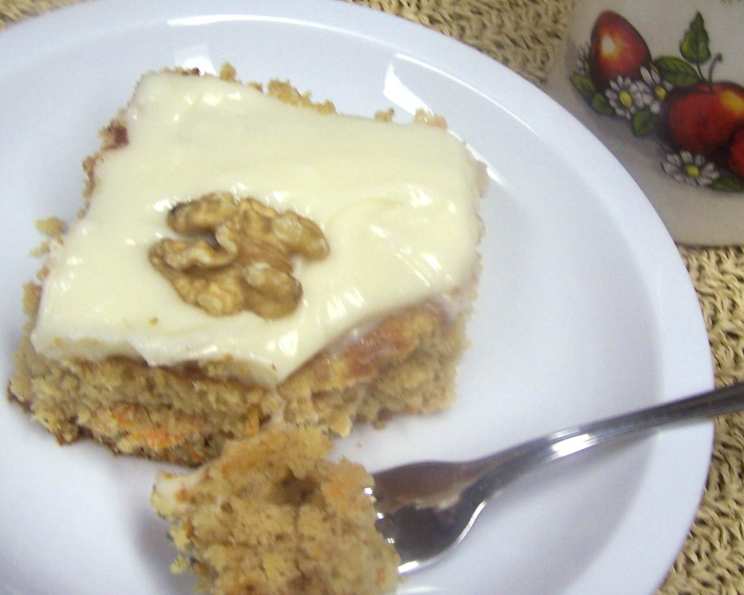
Low-Fat Carrot Cake With Cream Cheese Frosting: A Guilt-Free Indulgence
I have such vivid memories of my grandmother’s carrot cake. The aroma alone could fill the entire house with warmth and comfort. It was always served at family gatherings, a testament to her love and generosity. I remember being a kid and sneaking extra bites of the creamy frosting when no one was looking. This recipe is inspired by those cherished memories, but with a lighter twist. It’s a way to enjoy the same delicious flavors while being a little kinder to your waistline.
Recipe Overview
- Prep Time: 25 minutes
- Cook Time: 30 minutes
- Total Time: 55 minutes
- Servings: 16
- Yield: 1 cake
- Dietary Type: Low-Fat
Ingredients
- 1 tablespoon flour
- 2 1/4 cups flour
- 2 teaspoons baking powder
- 1 1/2 teaspoons cinnamon
- 1/2 teaspoon salt
- 1/4 teaspoon baking soda
- 1/4 teaspoon nutmeg
- 2/3 cup sugar
- 2/3 cup dark brown sugar
- 1/2 cup applesauce (unsweetened is best)
- 1/3 cup oil (vegetable or canola)
- 1/4 cup plain nonfat yogurt
- 2 1/2 teaspoons vanilla
- 2 large egg whites
- 1 large egg
- 2 cups finely shredded carrots
Cream Cheese Frosting
- 2/3 cup tub-style light cream cheese or 2/3 cup fat-free cream cheese
- 1 1/4 teaspoons vanilla
- 3 1/2 cups powdered sugar
- 1/4 cup chopped walnuts
Equipment Needed
- 2 (8-inch) round cake pans or 1 (13 x 9-inch) pan
- Electric mixer
- Mixing bowls
- Measuring cups and spoons
- Wire racks
- Rubber spatula
Instructions
- Preheat your oven to 375°F (190°C). Coat 2 (8-inch) round cake pans or 1 (13 x 9-inch) pan with cooking spray and then dust with 1 tablespoon of flour. This prevents the cake from sticking.
- In a medium bowl, combine 2 1/4 cups of flour, baking powder, cinnamon, salt, baking soda, and nutmeg. Whisk together to ensure even distribution of the spices.
- In a large bowl, combine the sugar, dark brown sugar, applesauce, oil, nonfat yogurt, vanilla, egg whites, and the whole egg. Beat well with an electric mixer at medium speed until the mixture is smooth and well combined.
- Add the wet ingredients to the dry ingredients and stir just until moist. Be careful not to overmix, as this can result in a tough cake. A few streaks of flour are okay.
- Stir in the finely shredded carrots until they are evenly distributed throughout the batter.
- Pour the batter into the prepared cake pans. If using two round pans, divide the batter evenly between them. Then, sharply tap the pans once on the counter to release any trapped air bubbles. This helps ensure a more even cake.
- Bake at 375°F (190°C) for approximately 30 minutes, or until a toothpick inserted into the center of each cake comes out clean. Start checking for doneness around the 25-minute mark to avoid overbaking.
- Cool the cakes in the pans on wire racks for 10 minutes. This allows the cakes to set slightly before removing them from the pans.
- After 10 minutes, remove the cakes from the pans and cool completely on wire racks before frosting. Frosting a warm cake will cause the frosting to melt.
- MAKE THE FROSTING: In a large bowl, beat the cream cheese (light or fat-free) and vanilla with an electric mixer at medium speed until smooth. It’s important that the cream cheese is at room temperature for easy blending.
- Gradually add the powdered sugar and beat at low speed just until smooth. Avoid overmixing, as this can make the frosting too thin.
- If necessary, you can thin the frosting with a little skim milk, one tablespoon at a time, until you reach your desired consistency.
- If using two round cakes, spread about 1/2 cup of frosting on the bottom layer of the cake. Top with the other layer. Spread the rest of the frosting over the top and sides of the cake. If using a 13 x 9-inch pan, simply spread the frosting evenly over the top.
- Sprinkle the chopped walnuts over the top of the frosted cake.
Expert Tips & Tricks
- Toast the walnuts before chopping to bring out their flavor. Just a few minutes in a dry pan over medium heat will do the trick.
- Grate the carrots finely for a better texture in the cake. A food processor with a grating attachment works well for this.
- To make the cake even lighter, you can substitute some of the sugar with a sugar substitute like erythritol or stevia. Start by replacing about 1/4 of the sugar and adjust to your taste.
- For a richer flavor, add a pinch of ground cloves or allspice to the dry ingredients.
- If you find your frosting is too thick, add a teaspoon of milk or lemon juice at a time until you reach your desired consistency.
- Make-ahead tip: The cake layers can be baked a day ahead, wrapped tightly in plastic wrap, and stored at room temperature. Frost just before serving.
- If you want to add more flavor, use orange zest and juice in the cake batter and frosting.
Serving & Storage Suggestions
Serve this low-fat carrot cake chilled or at room temperature. It pairs perfectly with a cup of coffee or tea.
Storage: Store leftover cake in an airtight container in the refrigerator for up to 3-4 days. The cake can also be frozen for up to 2 months. Wrap individual slices tightly in plastic wrap and then place them in a freezer-safe bag or container. To thaw, transfer the cake to the refrigerator overnight or let it sit at room temperature for a few hours.
Nutritional Information
| Nutrient | Amount per Serving | % Daily Value |
|---|---|---|
| Calories | 335.8 kcal | N/A |
| Calories from Fat | N/A | 23% |
| Total Fat | 8.5 g | 13% |
| Saturated Fat | 2.3 g | 11% |
| Cholesterol | 20.5 mg | 6% |
| Sodium | 205.7 mg | 8% |
| Total Carbohydrate | 61.4 g | 20% |
| Dietary Fiber | 1.2 g | 4% |
| Sugars | 44.1 g | N/A |
| Protein | 4.3 g | 8% |
Variations & Substitutions
- Spice it up: Add a pinch of cayenne pepper to the frosting for a subtle kick.
- Add dried fruit: Stir in 1/2 cup of raisins, cranberries, or chopped dates to the batter for added sweetness and texture.
- Make it gluten-free: Substitute the all-purpose flour with a gluten-free blend. You may need to add a little extra liquid to achieve the desired consistency.
- Vegan version: Replace the egg with a flax egg (1 tablespoon of ground flaxseed mixed with 3 tablespoons of water). Use a plant-based yogurt and cream cheese alternative.
- Nut-free option: Omit the walnuts or substitute them with sunflower seeds or pepitas.
FAQs (Frequently Asked Questions)
Q: Can I use a different type of oil?
A: Yes, you can substitute vegetable oil with canola oil, coconut oil (melted), or even olive oil for a slightly different flavor profile.
Q: How do I prevent the cake from sinking in the middle?
A: Make sure your oven temperature is accurate and avoid opening the oven door frequently during baking. Also, avoid overmixing the batter.
Q: Can I make this cake ahead of time?
A: Absolutely! The cake layers can be baked a day or two in advance and stored tightly wrapped at room temperature or in the refrigerator. Frost just before serving.
Q: What if I don’t have nonfat yogurt?
A: You can substitute plain Greek yogurt or sour cream, but it will slightly increase the fat content of the cake.
Q: My frosting is too sweet. What can I do?
A: Add a squeeze of lemon juice or a pinch of salt to balance the sweetness. You can also gradually add a little more cream cheese to reduce the overall sugar content.
Final Thoughts
This low-fat carrot cake with cream cheese frosting is a delightful way to indulge in a classic dessert without the guilt. The applesauce and yogurt keep the cake moist and tender, while the spices add warmth and depth of flavor. I encourage you to try this recipe and share your feedback. It’s perfect for birthdays, holidays, or any time you’re craving a slice of homemade goodness. Perhaps serve it with a scoop of light vanilla ice cream or a dollop of whipped cream for an extra special treat!