
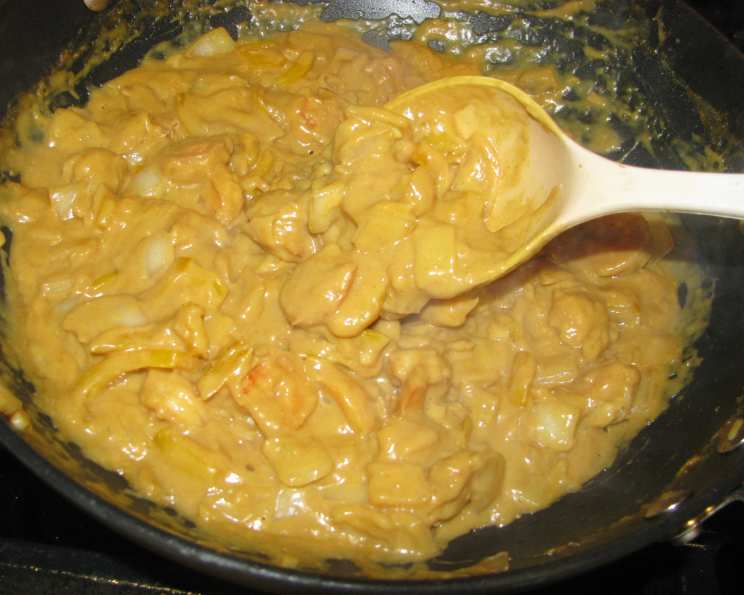
Low-Fat Thai Coconut Curry Shrimp: A Taste of Paradise
I remember the first time I tasted a truly authentic Thai curry. It was at a tiny, unassuming restaurant tucked away in a quiet corner of Bangkok. The vibrant aroma of spices filled the air, and the first bite was an explosion of flavors – creamy coconut milk, fragrant lemongrass, and a subtle kick of chili. I was hooked. Ever since, I’ve been on a quest to recreate that magical experience in my own kitchen, but with a focus on healthier, low-fat ingredients. This recipe for Low-Fat Thai Coconut Curry Shrimp is the culmination of that journey, a dish that captures the essence of Thai cuisine without compromising on your well-being.
Recipe Overview
- Prep Time: 10 minutes
- Cook Time: 15 minutes
- Total Time: 25 minutes
- Servings: 4
- Dietary Type: Dairy-Free
Ingredients
- 1 lb medium raw shrimp, deveined
- 1 tablespoon sake or 1 tablespoon dry sherry
- 1 1⁄2 tablespoons light soy sauce
- 1 tablespoon cornstarch
- 3 garlic cloves, minced
- 1 tablespoon fresh ginger, finely minced
- 1 red onion or 1 yellow onion, cut into 1/2-inch pieces
- 1 large pepper, cut into 1/2-inch pieces (red, yellow or green)
- Cooking spray
Sauce
- 1 cup 1% low-fat milk, evaporated nonfat milk or 1 cup half & half light cream
- 1 tablespoon peanut butter
- 2 – 2 1⁄2 teaspoons coconut extract
- 1 tablespoon sake or 1 tablespoon dry sherry
- 1 1⁄2 tablespoons curry powder
- 1 teaspoon sugar
- 1⁄4 teaspoon salt
Equipment Needed
- Large non-stick skillet
- Large plate or platter
Instructions
-
In a bowl, gently toss the shrimp with the soy sauce. Cover the bowl and refrigerate while you prepare the other ingredients. This allows the shrimp to marinate and absorb the flavors of the soy sauce.
-
In a small bowl, mix the cornstarch with an equal amount of cold water until smooth. Set aside. This cornstarch slurry will be used to thicken the sauce later.
-
In a separate bowl, combine all the sauce ingredients: low-fat milk, peanut butter, coconut extract, sake or sherry, curry powder, sugar, and salt. Whisk until the peanut butter is fully dissolved and the mixture is smooth. Set aside.
-
Lightly spray a large non-stick skillet with cooking spray and preheat over medium-high heat for 2 minutes. Ensure the skillet is hot before adding the shrimp to prevent sticking.
-
Add the shrimp, garlic, and ginger to the hot skillet. Stir-fry until the shrimp turn bright pink, approximately 2 minutes. Do not overcook the shrimp, as they will become rubbery.
-
Transfer the cooked shrimp to a large plate or platter. Set aside.
-
Reduce the heat to medium and sauté the pepper and onion in the same skillet until the onions begin to separate and the pepper brightens, about 2 minutes.
-
Increase the heat back to medium-high and return the shrimp to the pan.
-
Stirring constantly, add the sauce to the shrimp and vegetables. Bring the mixture to a low boil.
-
Stirring constantly, add the cornstarch/water mixture to the pan. This will thicken the sauce quickly.
-
After the sauce has thickened, about 60 seconds, reduce the heat to low.
-
Taste and adjust the seasonings if necessary. You may want to add a pinch more salt, sugar, or curry powder depending on your preference.
-
Remove from heat and serve immediately over rice.
Expert Tips & Tricks
- For an extra layer of flavor, try toasting the curry powder in a dry pan for a minute or two before adding it to the sauce. This will release the essential oils and enhance the spice’s aroma. Be careful not to burn it!
- Don’t be afraid to experiment with different types of peppers. Bell peppers are classic, but you could also add a jalapeño for a touch of heat.
- If you don’t have sake or sherry on hand, you can substitute with a tablespoon of rice vinegar or even a squeeze of lemon juice.
- If you prefer a smoother sauce, you can blend the sauce ingredients together before adding them to the pan.
- For meal prep, you can prepare the sauce and chop the vegetables ahead of time. Store them separately in the refrigerator until you’re ready to cook.
- If the sauce becomes too thick, add a little more low-fat milk to thin it out. Conversely, if it’s too thin, simmer it for a few more minutes to reduce it.
- To prevent the shrimp from overcooking, make sure your skillet is hot before adding them and don’t overcrowd the pan. Cook in batches if necessary.
Serving & Storage Suggestions
This Low-Fat Thai Coconut Curry Shrimp is best served hot over a bed of fluffy jasmine rice. Garnish with fresh cilantro and a wedge of lime for an extra burst of flavor. It also pairs well with a side of steamed broccoli or green beans.
Leftovers can be stored in an airtight container in the refrigerator for up to 3 days. To reheat, gently warm in a skillet over low heat, adding a splash of milk if needed to loosen the sauce. You can also microwave it, but be careful not to overcook the shrimp. While technically safe to eat, it’s not recommended to leave it at room temperature for more than 2 hours. Freezing is not recommended as it can alter the texture of the shrimp and sauce.
Nutritional Information
| Nutrient | Amount per Serving | % Daily Value |
|---|---|---|
| Calories | 223.7 kcal | – |
| Calories from Fat | 44 g | – |
| Total Fat | 5 g | 7% |
| Saturated Fat | 1.2 g | 6% |
| Cholesterol | 175.6 mg | 58% |
| Sodium | 738.6 mg | 30% |
| Total Carbohydrate | 13.7 g | 4% |
| Dietary Fiber | 1.6 g | 6% |
| Sugars | 6 g | – |
| Protein | 27.6 g | 55% |
Note: Nutritional information is an estimate and may vary based on specific ingredients and portion sizes.
Variations & Substitutions
- For a spicier curry: Add a pinch of red pepper flakes or a finely chopped chili pepper to the sauce.
- For a richer flavor: Use full-fat coconut milk instead of low-fat milk, but be mindful of the increased calorie and fat content.
- For a vegetarian option: Substitute the shrimp with tofu or chickpeas.
- Add more vegetables: Include other vegetables like zucchini, carrots, or mushrooms.
- Use different protein: Chicken or beef would also be delicious in this curry. Adjust the cooking time accordingly.
- Gluten-Free: Ensure your soy sauce is gluten-free, tamari is a good substitute.
- Nut-Free: Substitute the peanut butter with tahini or sunflower seed butter.
FAQs (Frequently Asked Questions)
Q: Can I use frozen shrimp?
A: Yes, you can use frozen shrimp. Make sure to thaw it completely before cooking and pat it dry to remove excess moisture.
Q: How can I make this dish vegan?
A: Substitute the shrimp with tofu or another plant-based protein source. Ensure that all other ingredients are also vegan-friendly.
Q: Can I make this ahead of time?
A: Yes, you can prepare the sauce and chop the vegetables ahead of time. Store them separately in the refrigerator until you’re ready to cook.
Q: What kind of rice is best to serve with this dish?
A: Jasmine rice is a classic choice, but any type of rice, such as basmati or brown rice, will work well.
Q: Can I adjust the amount of curry powder?
A: Absolutely! Adjust the amount of curry powder to your liking, depending on your preferred level of spice.
Final Thoughts
This Low-Fat Thai Coconut Curry Shrimp is a delicious and healthy way to enjoy the vibrant flavors of Thai cuisine. It’s quick, easy to make, and customizable to your preferences. I encourage you to try this recipe and experience the magic for yourself. Don’t hesitate to share your creations and feedback – I’d love to hear how it turns out! Pair it with a refreshing glass of iced green tea for the perfect meal. Enjoy!