
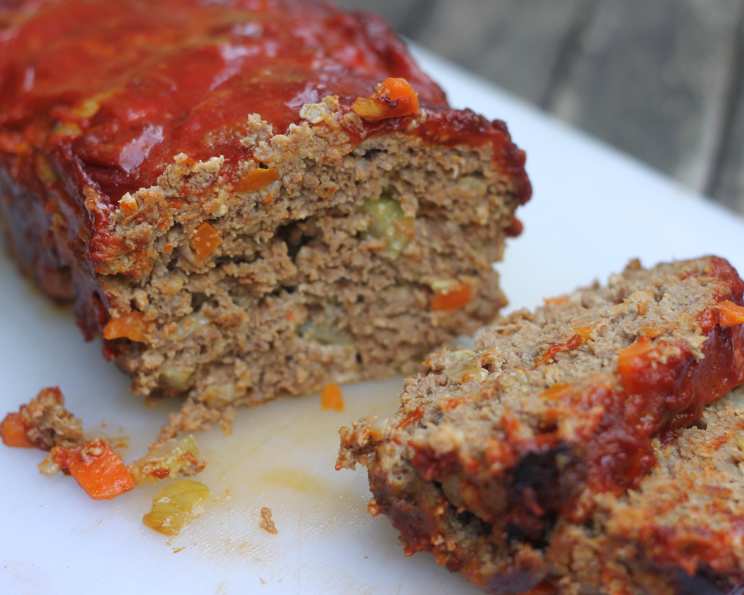
Low Sodium Meatloaf: A Heart-Healthy Comfort Food Classic
I can still picture my grandmother in her tiny kitchen, humming along to the radio as she meticulously mixed ground beef, breadcrumbs, and a medley of aromatic vegetables. Her meatloaf was legendary – a comforting staple that brought the whole family together. Now, years later, I’m on a mission to recreate that cherished flavor while catering to my mom’s low-sodium diet. It’s a challenge, but one I embrace with the same love and dedication that my grandmother poured into her own creations. This recipe is my attempt to honor that legacy – a delicious, heart-healthy tribute to family, flavor, and well-being.
Recipe Overview
- Prep Time: 20 minutes
- Cook Time: 1 hour
- Total Time: 1 hour 20 minutes
- Servings: 8
- Yield: 1 meatloaf
- Dietary Type: Low Sodium
Ingredients
- 1 tablespoon olive oil
- 1/2 cup onion, finely chopped
- 1/3 cup celery, finely chopped
- 1/3 cup carrot, finely chopped
- 2 lbs lean ground beef
- 1 cup rolled oats
- 1 egg
- 1 teaspoon garlic, minced
- 1 tablespoon Worcestershire sauce
- 1/2 cup milk
- 2 teaspoons Mrs. Dash seasoning mix
- 1/2 teaspoon ground pepper
Sauce:
- 8 ounces no-salt-added tomato sauce
- 1/4 cup brown sugar
- 1 tablespoon yellow mustard
- 1 tablespoon cider vinegar
Equipment Needed
- Large bowl
- Small bowl
- Baking pan (loaf pan or sheet pan)
- Sauté pan
- Measuring cups and spoons
- Cutting board
- Knife
Instructions
-
Begin by preparing the vegetables. Heat the olive oil in a sauté pan over medium heat. Add the finely chopped onion, celery, and carrot. Sauté the vegetables until they are tender, about 5-7 minutes. Remove from the heat and allow to cool slightly. This step helps to soften the vegetables and release their flavors, adding depth to the meatloaf.
-
While the vegetables are cooling, preheat your oven to 350°F (175°C). Ensuring the oven is properly preheated is crucial for even cooking.
-
In a large bowl, combine the lean ground beef, rolled oats, egg, minced garlic, Worcestershire sauce, milk, Mrs. Dash seasoning mix, and ground pepper. Use your hands to gently mix all the ingredients together until just combined. Be careful not to overmix, as this can result in a tough meatloaf. The goal is to evenly distribute the ingredients without compacting the meat.
-
Once the sautéed vegetables have cooled slightly, add them to the meat mixture in the large bowl. Gently incorporate them into the mixture, ensuring they are evenly distributed throughout.
-
Shape the meat mixture into a loaf. You can either form it directly in the baking pan or shape it on a cutting board and then transfer it to the pan. If using a sheet pan, make sure to create a loaf shape with even thickness for consistent cooking.
-
In a separate small bowl, prepare the sauce. Combine the no-salt-added tomato sauce, brown sugar, yellow mustard, and cider vinegar. Whisk the ingredients together until well blended. This sauce provides a tangy and slightly sweet glaze that complements the savory meatloaf.
-
Spread the sauce evenly over the top of the meatloaf. This glaze will caramelize during baking, creating a flavorful crust.
-
Place the baking pan with the meatloaf in the preheated 350°F (175°C) oven. Bake for 1 hour. The internal temperature of the meatloaf should reach 160°F (71°C). Use a meat thermometer inserted into the center of the loaf to check for doneness.
-
Remove the meatloaf from the oven and let it rest for about 10 minutes before slicing and serving. This resting period allows the juices to redistribute, resulting in a more tender and flavorful meatloaf.
Expert Tips & Tricks
- To prevent the meatloaf from drying out, place a pan of water on the bottom rack of the oven during baking. The steam will help keep the meatloaf moist.
- For a richer flavor, use a combination of ground beef and ground pork. However, be mindful of the sodium content if you are strictly adhering to a low-sodium diet.
- If you prefer a smoother texture, you can pulse the rolled oats in a food processor before adding them to the meat mixture.
- To make ahead, prepare the meatloaf mixture and shape it into a loaf. Cover tightly and refrigerate for up to 24 hours before baking. Add the sauce just before placing it in the oven.
- If your meatloaf starts to brown too quickly, loosely tent it with aluminum foil during the last 15-20 minutes of baking.
Serving & Storage Suggestions
Serve the low-sodium meatloaf warm, sliced into even portions. It pairs perfectly with mashed potatoes, roasted vegetables, or a simple green salad. For a complete low-sodium meal, consider serving it alongside steamed green beans or a fresh tomato salad.
Leftover meatloaf can be stored in an airtight container in the refrigerator for up to 3-4 days. To freeze, wrap the meatloaf tightly in plastic wrap and then in aluminum foil. It can be frozen for up to 2-3 months.
To reheat, thaw the frozen meatloaf in the refrigerator overnight. Reheat slices in the microwave or in a preheated oven at 350°F (175°C) until warmed through. Adding a little extra tomato sauce or gravy during reheating will help to keep it moist.
Nutritional Information
| Nutrient | Amount per Serving | % Daily Value |
|---|---|---|
| Calories | 320.7 kcal | N/A |
| Calories from Fat | N/A | N/A |
| Total Fat | 15 g | 23% |
| Saturated Fat | 5.5 g | 27% |
| Cholesterol | 99.1 mg | 33% |
| Sodium | 146.6 mg | 6% |
| Total Carbohydrate | 19.1 g | 6% |
| Dietary Fiber | 1.9 g | 7% |
| Sugars | 9.3 g | N/A |
| Protein | 26 g | 51% |
Note: Nutritional information is an estimate and may vary based on specific ingredients and portion sizes.
Variations & Substitutions
- Gluten-Free: Substitute the rolled oats with gluten-free rolled oats or a gluten-free breadcrumb alternative.
- Vegetarian: While this recipe is not vegetarian, you could adapt it using plant-based ground meat alternatives, ensuring you adjust seasoning and cooking times accordingly.
- Spice It Up: Add a pinch of red pepper flakes to the meat mixture for a touch of heat.
- Herbaceous: Incorporate fresh herbs like parsley, thyme, or oregano into the meat mixture for added flavor.
FAQs (Frequently Asked Questions)
Q: What can I use instead of Worcestershire sauce to keep the sodium low?
A: A low-sodium soy sauce alternative or a homemade Worcestershire sauce substitute (using ingredients like balsamic vinegar, molasses, and spices) can work well.
Q: Can I use a different type of ground meat?
A: Yes, you can use ground turkey or ground chicken, but be aware that this may affect the flavor and texture of the meatloaf.
Q: How can I prevent the meatloaf from sticking to the pan?
A: Grease the baking pan well with olive oil or use a non-stick baking pan. You can also line the pan with parchment paper.
Q: Can I add vegetables other than onion, celery, and carrot?
A: Absolutely! Finely chopped mushrooms, bell peppers, or zucchini can be added for extra flavor and nutrients.
Q: What is the best way to check if the meatloaf is fully cooked?
A: Use a meat thermometer to check the internal temperature. It should reach 160°F (71°C) in the center of the loaf.
Final Thoughts
Creating this low-sodium meatloaf has been a labor of love, inspired by my grandmother’s classic recipe and driven by my desire to provide delicious and healthy meals for my mom. It’s a dish that brings comfort and nourishment, proving that flavorful food can be enjoyed even with dietary restrictions. I encourage you to try this recipe and adapt it to your own preferences and needs. Share it with your loved ones, and let the warmth and nostalgia of meatloaf bring your family together, just like it did for mine. Bon appétit!