
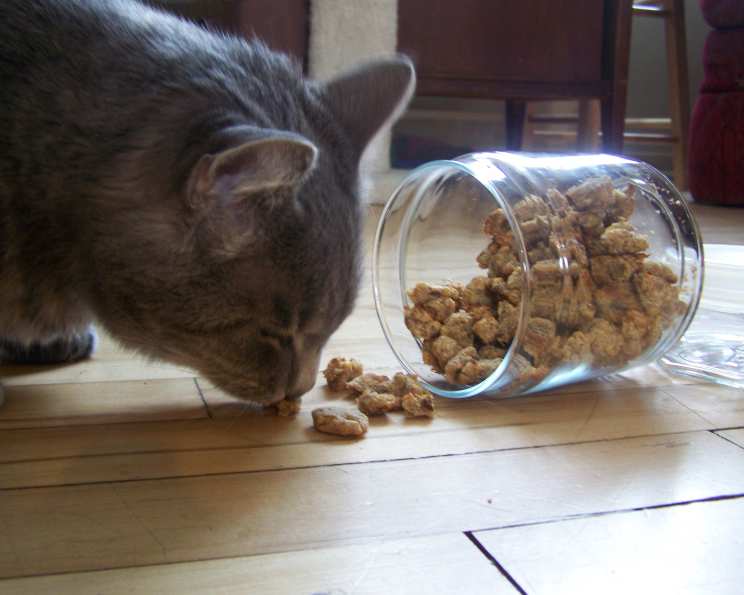
Mackerel Cat Munchies: A Culinary Treat for Your Feline Friend
The aroma of fish always takes me back to my childhood summers spent on the coast. My grandfather, a seasoned fisherman, would often bring home his daily catch. While we feasted on grilled snapper and shrimp scampi, our family cat, Whiskers, would always linger nearby, her emerald eyes fixated on the fish. That’s where my love for creating fishy treats for my feline friends began. These Mackerel Cat Munchies are a testament to that love, a simple yet satisfying way to show your cat some culinary appreciation.
Recipe Overview
- Prep Time: 10 minutes
- Cook Time: 8 minutes
- Total Time: 18 minutes
- Yields: Approximately 40-50 small treats, depending on size
- Dietary Type: High Protein, Grain-Optional
Ingredients
- ½ cup canned mackerel, drained
- 1 cup dry whole grain breadcrumbs
- 1 tablespoon vegetable oil
- 1 large egg, beaten
- ½ teaspoon brewer’s yeast (optional)
Equipment Needed
- Mixing bowl
- Fork or masher
- Baking sheet
- Spoon or small scoop
- Measuring cups and spoons
Instructions
- Preheat your oven to 350°F (175°C). This ensures even cooking and a perfectly crispy treat.
- In a mixing bowl, thoroughly mash the drained canned mackerel into very small pieces. This is crucial for even distribution and preventing large chunks that might be difficult for your cat to eat. Use a fork or a potato masher to achieve the desired consistency. Remember, mackerel can be salty, so make sure all bones are removed.
- Add the remaining ingredients: dry whole grain breadcrumbs, vegetable oil, beaten egg, and brewer’s yeast (if using).
- Mix all ingredients together thoroughly until a cohesive dough forms. Ensure everything is well combined for a uniform texture and flavor in each munchie. The mixture should be slightly moist but not overly sticky.
- Drop the mixture by ¼ teaspoonfuls (or smaller, depending on your cat’s preference) onto a greased baking sheet. I recommend using a small cookie scoop for consistent sizing, but a spoon works just as well. Space the munchies slightly apart to allow for even baking.
- Bake in the preheated oven at 350°F (175°C) for approximately 8 minutes. Keep a close eye on them, as baking times can vary depending on your oven. They should be lightly golden brown around the edges.
- Remove the baking sheet from the oven and allow the Mackerel Cat Munchies to cool completely on the baking sheet before transferring them to a storage container. This prevents them from becoming soggy.
- Store the cooled treats in an airtight container in the refrigerator or freezer for optimal freshness and longevity.
Expert Tips & Tricks
- Breadcrumb Finesse: If you don’t have pre-made breadcrumbs, simply pulse whole-grain bread in a food processor until you achieve the desired consistency. Avoid using overly processed or flavored breadcrumbs, as these may contain ingredients harmful to cats.
- Brewer’s Yeast Boost: While optional, brewer’s yeast is a nutritional powerhouse for cats, offering B vitamins and a savory flavor they often adore. It can also help deter fleas.
- Omega-3 Enhancement: For an extra boost of omega-3 fatty acids, substitute a teaspoon of flaxseed oil for part of the vegetable oil.
- Baking Sheet Savior: To prevent sticking and ensure easy removal, line your baking sheet with parchment paper or a silicone baking mat.
- Doneness Check: The munchies are done when they are firm to the touch and lightly golden brown. If they are still soft after 8 minutes, bake for another minute or two, checking frequently.
Serving & Storage Suggestions
Serve these Mackerel Cat Munchies as a special treat or reward for your feline friend. Due to the salt content of the canned mackerel, moderation is key. A few treats per day should be sufficient. Store the cooled munchies in an airtight container in the refrigerator for up to one week, or in the freezer for up to two months. If freezing, thaw completely before serving. Do not leave the treats at room temperature for more than a few hours.
Nutritional Information
| Nutrient | Amount per Serving (approx. 5 treats) | % Daily Value (for cats) |
|---|---|---|
| Calories | 25 kcal | N/A |
| Protein | 2g | N/A |
| Total Fat | 1g | N/A |
| Saturated Fat | 0.2g | N/A |
| Cholesterol | 10mg | N/A |
| Sodium | 40mg | N/A |
| Total Carbohydrate | 2g | N/A |
| Dietary Fiber | 0.2g | N/A |
| Sugars | 0.3g | N/A |
Note: Nutritional information is an estimate and may vary based on specific ingredients and portion sizes. Daily Value information for cats is not readily available, consult with your veterinarian for specifics.
Variations & Substitutions
- Gluten-Free Option: Substitute the whole-grain breadcrumbs with almond flour, coconut flour, or a gluten-free breadcrumb mix.
- Egg Allergy Alternative: If your cat has an egg allergy, you can try using unsweetened applesauce as a binder, although the texture might be slightly different.
- Herbal Infusion: Add a pinch of dried catnip or parsley to the mixture for an extra flavorful and aromatic treat.
- Fishy Fusion: Experiment with other types of canned fish, such as tuna or salmon, but always ensure they are packed in water and thoroughly drained to minimize sodium content.
- Texture Play: For a crunchier treat, bake for a minute or two longer, being careful not to burn them. For a softer treat, reduce the baking time slightly.
FAQs (Frequently Asked Questions)
Q: Can I use fresh mackerel instead of canned?
A: While fresh mackerel is an option, canned mackerel is often more convenient and readily available. If using fresh mackerel, ensure it is thoroughly cooked and deboned before incorporating it into the recipe.
Q: Are these treats suitable for kittens?
A: These treats are generally safe for kittens, but it’s always best to consult with your veterinarian before introducing new foods into their diet. You may also want to reduce the size of the treats for smaller mouths.
Q: How can I tell if my cat is allergic to any of the ingredients?
A: Watch for signs of allergies such as itching, vomiting, diarrhea, or skin rashes. If you suspect an allergy, discontinue use immediately and consult with your veterinarian.
Q: Can I add salt to these treats?
A: No, it is not recommended to add extra salt to these treats. Canned mackerel is already naturally salty, and excessive sodium intake can be harmful to cats.
Q: My cat doesn’t like brewer’s yeast. Can I leave it out?
A: Absolutely! The brewer’s yeast is optional. It provides added nutrients and a savory flavor that many cats enjoy, but the treats will still be delicious without it.
Final Thoughts
These Mackerel Cat Munchies are a simple yet thoughtful way to show your feline friend some love. The combination of savory mackerel, wholesome breadcrumbs, and a touch of oil creates a treat that’s both delicious and nutritious. I encourage you to try this recipe and adjust it to suit your cat’s preferences. Feel free to share your feedback and any variations you create. Happy baking, and happy snacking to your furry companions!