
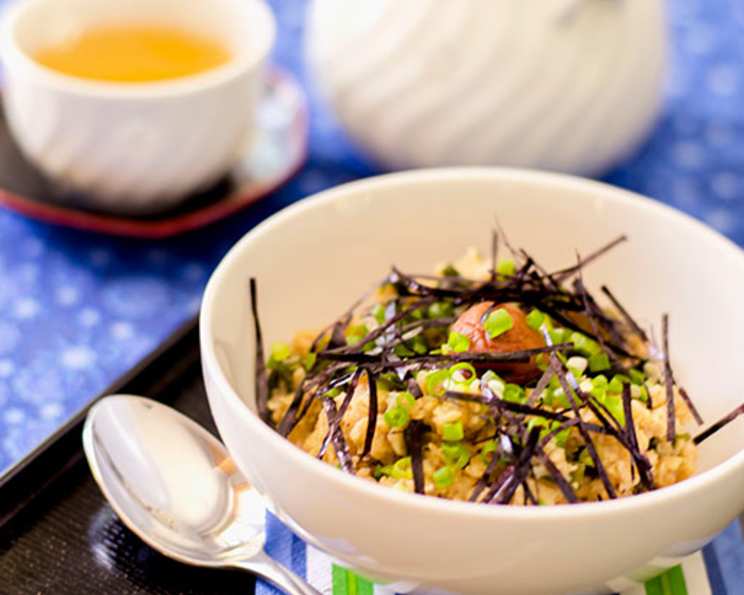
Macrobiotic Oatmeal (Gluten-Free): A Bowl of Eastern Comfort
I’ll always remember my first encounter with umeboshi plums. I was backpacking through Japan, and a kind elderly woman offered me one along with a steaming bowl of rice porridge. The salty, intensely sour plum was a revelation – a tiny powerhouse of flavor that transformed the humble porridge into something truly special. It was a taste of home, health, and centuries of tradition all rolled into one. That experience sparked my curiosity about macrobiotic cooking and how simple, whole foods can create such deeply satisfying meals. This Macrobiotic Oatmeal is a direct descendant of that memory, a comforting and nourishing bowl that bridges East and West.
Recipe Overview
- Prep Time: 2 minutes
- Cook Time: 6 minutes
- Total Time: 8 minutes
- Servings: 1
- Dietary Type: Gluten-Free
Ingredients
- ½ cup quick-cooking oats (I prefer quick-cooking steel cut oats for their texture)
- 1 tablespoon miso (preferably organic)
- 2 tablespoons dried cutup wakame seaweed
- 1 umeboshi plum
- 1 tablespoon green onion, chopped
- Nori seaweed, thinly cut for topping (optional)
- 1 1/4 cups water
Equipment Needed
- Small saucepan
- Measuring cups and spoons
- Cutting board
- Knife
- Serving bowl
Instructions
- Bring 1 1/4 cups of water to a rolling boil in a small saucepan.
- While the water is heating, prepare the miso by dissolving 1 tablespoon in a small bowl with a little of the boiling water to create a slurry. This helps it incorporate smoothly into the oatmeal and prevents clumping.
- Once the water boils, stir in the dissolved miso, wakame seaweed, and oatmeal.
- Reduce the heat to low and simmer, cooking according to the oatmeal package directions. This typically takes about 5-7 minutes for quick-cooking oats, but always refer to your specific brand’s instructions. Stir occasionally to prevent sticking. The oatmeal should thicken to your desired consistency. If it becomes too thick, add a splash more water.
- Transfer the cooked oatmeal to a serving bowl.
- Carefully place a umeboshi plum on top of the oatmeal. The plum is quite salty and tart, so use it sparingly or adjust to your taste.
- Sprinkle the chopped green onion and, if desired, thinly cut nori seaweed over the top.
- Infuse love and serve immediately! Take a moment to appreciate the aroma and the simple beauty of the dish before enjoying.
Expert Tips & Tricks
- Miso Matters: The type of miso you use will significantly impact the flavor. I recommend a lighter miso, like shiro miso (white miso), for a milder, slightly sweet flavor. A darker miso, like aka miso (red miso), will be bolder and more savory. Experiment to find your preference.
- Wakame Revival: Don’t underestimate the power of wakame! These little dried seaweed pieces plump up as they cook, adding a delightful texture and umami depth to the oatmeal. If you prefer a softer texture, soak the wakame in warm water for a few minutes before adding it to the boiling water.
- Umeboshi Wisdom: Umeboshi plums are intensely sour and salty, so start with just one and adjust to your taste. You can also break it apart and distribute it throughout the oatmeal for a more even flavor. If you find the flavor too strong, try umeboshi paste, which is a milder alternative.
- Oatmeal Options: While I prefer quick-cooking steel-cut oats, you can use rolled oats, instant oats, or even other grains like quinoa flakes. Adjust the cooking time and water amount as needed, based on the package instructions for your chosen grain.
- Salt Savvy: Miso and umeboshi are both high in sodium, so taste before adding any additional salt. You may find that the existing saltiness is sufficient.
Serving & Storage Suggestions
Serve this Macrobiotic Oatmeal immediately while it’s warm and the flavors are vibrant. The heat helps to release the aroma and meld the ingredients together. If you have leftovers, store them in an airtight container in the refrigerator for up to 2 days. Reheat gently on the stovetop or in the microwave, adding a splash of water or non-dairy milk if needed to loosen the consistency. While it’s best enjoyed fresh, the flavors will continue to meld overnight. I don’t recommend freezing due to texture changes in the oats.
Nutritional Information
| Nutrient | Amount per Serving | % Daily Value |
|---|---|---|
| Calories | 218.6 kcal | N/A |
| Calories from Fat | 34 kcal | N/A |
| Total Fat | 3.8 g | 5% |
| Saturated Fat | 0.7 g | 3% |
| Cholesterol | 0 mg | 0% |
| Sodium | 618.5 mg | 25% |
| Total Carbohydrate | 39.8 g | 13% |
| Dietary Fiber | 6.1 g | 24% |
| Sugars | 8.1 g | N/A |
| Protein | 7.8 g | 15% |
Note: Nutritional information is an estimate and may vary based on specific ingredients and preparation methods.
Variations & Substitutions
- Vegan Power-Up: To ensure this recipe is completely vegan, double-check that your miso is made without any animal products. Most miso is naturally vegan, but it’s always good to be sure.
- Grain-Free Option: For a grain-free version, substitute the oats with quinoa flakes or amaranth flakes. These options cook similarly to oats and offer a good source of protein and fiber.
- Savory Boost: Enhance the savory notes by adding a dash of tamari (gluten-free soy sauce) or a sprinkle of nutritional yeast.
- Vegetable Medley: Add finely chopped vegetables like carrots, celery, or mushrooms to the boiling water for a heartier and more nutritious meal.
- Spicy Kick: For a touch of heat, add a pinch of red pepper flakes or a drop of chili oil to the oatmeal.
- Seed Sensations: Sprinkle toasted sesame seeds or pumpkin seeds on top for added crunch and nutrients.
- Seasonal Twist: Adapt the toppings to the season. In the spring, try edible flowers or fresh herbs. In the fall, consider adding roasted squash or sautéed greens.
FAQs (Frequently Asked Questions)
Q: What does “macrobiotic” mean in this context?
A: In macrobiotic cooking, the focus is on whole, unprocessed foods, balance, and harmony. This recipe incorporates elements like miso, wakame, and umeboshi that are commonly used in macrobiotic diets.
Q: Can I use a different type of seaweed?
A: Yes, you can substitute wakame with other types of seaweed like kombu or arame. Each seaweed has a unique flavor profile, so experiment to find your favorite.
Q: Where can I find umeboshi plums?
A: Umeboshi plums are typically found in Asian grocery stores, health food stores, or online retailers specializing in Japanese ingredients.
Q: Is this recipe suitable for people with high blood pressure?
A: Miso and umeboshi are both high in sodium, so this recipe may not be suitable for people with high blood pressure. Consider reducing the amount of miso and umeboshi or consulting with a healthcare professional.
Q: Can I prepare this oatmeal in advance?
A: While best enjoyed fresh, you can cook the oatmeal ahead of time and store it in the refrigerator. However, the wakame may become softer, and the texture of the oatmeal may change slightly upon reheating. Add the toppings just before serving for the best flavor and texture.
Final Thoughts
This Macrobiotic Oatmeal is more than just a breakfast; it’s a mindful ritual. It’s a chance to slow down, nourish your body, and connect with the simple pleasures of wholesome food. I encourage you to try this recipe and adapt it to your own tastes and preferences. Don’t be afraid to experiment with different toppings, spices, and vegetables. And most importantly, remember to infuse your cooking with love and intention. Share your creations with loved ones and let them experience the comforting and healing power of this unique oatmeal. Consider pairing it with a cup of green tea for the ultimate mindful morning.