
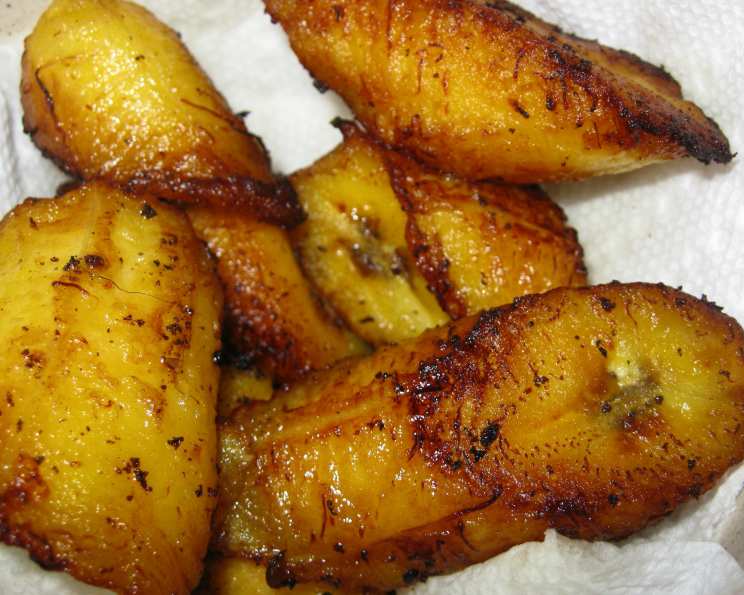
Maduros: Sweet Plantain Perfection
The first time I tasted maduros, I was a wide-eyed culinary student volunteering at a vibrant food festival. The air was thick with exotic spices, and a small stall was sizzling with what looked like caramelized banana slices. One bite – the soft, yielding sweetness giving way to a hint of savory depth – and I was hooked. It was a revelation, a reminder that simple ingredients, treated with care, can create extraordinary flavor experiences. I’ve been chasing that perfect maduro ever since, and this recipe brings me right back to that first, unforgettable taste.
Recipe Overview
- Prep Time: 5 minutes
- Cook Time: 5 minutes
- Total Time: 10 minutes
- Servings: 14
- Yield: Varies depending on plantain size
- Dietary Type: Vegan, Gluten-Free
Ingredients
- 2 very ripe plantains (the skin of the plantain should be brownish black)
- Oil (vegetable, canola, or coconut oil work well)
- Salt (optional)
Equipment Needed
- Medium skillet
- Tongs or spatula
- Paper towel-lined plate
Instructions
-
Heat approximately 1/4 inch of oil in a medium skillet over medium heat. You want the oil hot enough that a small piece of plantain sizzles gently when added.
-
Peel the plantains. The riper they are, the easier they are to peel. If the skin is very soft, you might be able to simply peel it away with your fingers. If it’s a little stubborn, use a paring knife to make a shallow slit along the length of the plantain, then peel back the skin.
-
Cut the plantains at an angle, making slices about 3/4 inch thick. Cutting on an angle creates a larger surface area for browning and adds visual appeal.
-
Carefully place the plantain slices in the hot oil, being careful not to overcrowd the pan. Overcrowding lowers the oil temperature and can result in steamed, rather than fried, plantains. Work in batches if necessary.
-
Brown the plantain in the oil for approximately 2 minutes per side, or until both sides are a deep golden brown and slightly caramelized. The exact cooking time will depend on the heat of your stove and the ripeness of the plantains. Watch them closely to prevent burning. You want a deep, rich color, but not black.
-
When browned, remove the plantain slices from the skillet using tongs or a slotted spatula and place them on a paper towel-covered plate to drain the excess oil. This step helps to keep the maduros from becoming soggy.
-
Serve the maduros hot.
-
The traditional way is to serve plain, but I like to sprinkle them with a little bit of salt for a nice, salty-sweet taste. The salt enhances the sweetness and adds a delightful contrast.
Expert Tips & Tricks
- Ripeness is Key: The most important factor in making perfect maduros is using plantains that are truly ripe. The skin should be almost entirely black, with just a few hints of yellow. The plantain itself should yield slightly to gentle pressure. Underripe plantains will be starchy and not very sweet.
- Oil Temperature: Maintaining the correct oil temperature is crucial. If the oil is not hot enough, the plantains will absorb too much oil and become greasy. If the oil is too hot, the plantains will burn on the outside before they are cooked through on the inside. A good way to test the oil temperature is to drop a small piece of plantain into the oil. If it sizzles gently, the oil is ready.
- Don’t Overcrowd: Overcrowding the pan lowers the oil temperature and causes the plantains to steam instead of fry. Work in batches to ensure even browning.
- Press for Perfection: For extra-caramelized maduros, try gently pressing down on the plantain slices with a spatula as they cook. This helps to flatten them and increase their contact with the hot oil.
- Sweeten the Deal: If your plantains aren’t quite as ripe as you’d like, you can add a sprinkle of sugar to the oil while they’re frying to help them caramelize.
Serving & Storage Suggestions
Maduros are best served hot, straight from the skillet. They make a fantastic side dish to accompany savory meals, such as rice and beans, grilled meats, or roasted vegetables. They can also be enjoyed as a sweet treat on their own.
To store leftover maduros, allow them to cool completely and then place them in an airtight container. They can be stored in the refrigerator for up to 3 days. To reheat, you can microwave them for a short time, but they will be best if reheated in a skillet with a little bit of oil until warmed through and slightly crisp. Maduros do not freeze well, as they tend to become mushy upon thawing.
Nutritional Information
| Nutrient | Amount per Serving | % Daily Value |
|---|---|---|
| Calories | 31.2 kcal | N/A |
| Calories from Fat | N/A | 3% |
| Total Fat | 0.1 g | 0% |
| Saturated Fat | 0 g | 0% |
| Cholesterol | 0 mg | 0% |
| Sodium | 1 mg | 0% |
| Total Carbohydrate | 8.2 g | 2% |
| Dietary Fiber | 0.6 g | 2% |
| Sugars | 3.8 g | 15% |
| Protein | 0.3 g | 0% |
Note: Nutritional information is an estimate and may vary based on specific ingredients and cooking methods.
Variations & Substitutions
- Spice it Up: Add a pinch of cinnamon or nutmeg to the oil while frying for a warm, spiced flavor.
- Coconutty Goodness: Use coconut oil for frying for a hint of tropical flavor.
- Sweet and Spicy: Sprinkle with a pinch of chili flakes after frying for a sweet and spicy kick.
- Savory Twist: Instead of salt, try sprinkling with a bit of smoked paprika for a savory, smoky flavor.
- Baked Maduros: For a healthier alternative, bake the plantain slices in the oven. Preheat the oven to 400°F (200°C). Toss the plantain slices with a little oil and arrange them on a baking sheet. Bake for 15-20 minutes, flipping halfway through, until golden brown and tender.
FAQs (Frequently Asked Questions)
Q: How do I know when a plantain is ripe enough to use for maduros?
A: The skin of the plantain should be mostly black, with perhaps just a few patches of yellow remaining. The plantain should also feel slightly soft to the touch.
Q: Can I use green plantains to make maduros?
A: No, green plantains are too starchy and not sweet enough for maduros. Green plantains are best used for tostones, which are savory, twice-fried plantain chips.
Q: Can I make maduros ahead of time?
A: Maduros are best served fresh, but they can be made a few hours in advance. Reheat them in a skillet or microwave before serving.
Q: Why are my maduros greasy?
A: Your oil may not have been hot enough. Make sure the oil is shimmering and a small piece of plantain sizzles when added. Also, avoid overcrowding the pan, which can lower the oil temperature.
Q: Can I use a different type of oil?
A: Yes, you can use any neutral-flavored oil with a high smoke point, such as vegetable oil, canola oil, or peanut oil. Coconut oil is also a great option for a tropical flavor.
Final Thoughts
Maduros are a simple yet deeply satisfying dish that celebrates the natural sweetness of ripe plantains. Whether you’re looking for a delicious side dish to complement a savory meal or a sweet treat to satisfy your cravings, maduros are sure to please. Don’t be intimidated by their seemingly humble ingredients; with a little patience and attention to detail, you can create a truly unforgettable flavor experience. So go ahead, grab those ripe plantains, and get ready to experience a taste of sunshine! I encourage you to experiment with the variations and find your own perfect maduro. Share your creations and feedback – I’d love to hear how they turn out! Pair these sweet plantains with spicy jerk chicken or a simple black bean stew for a truly balanced and delicious meal.