
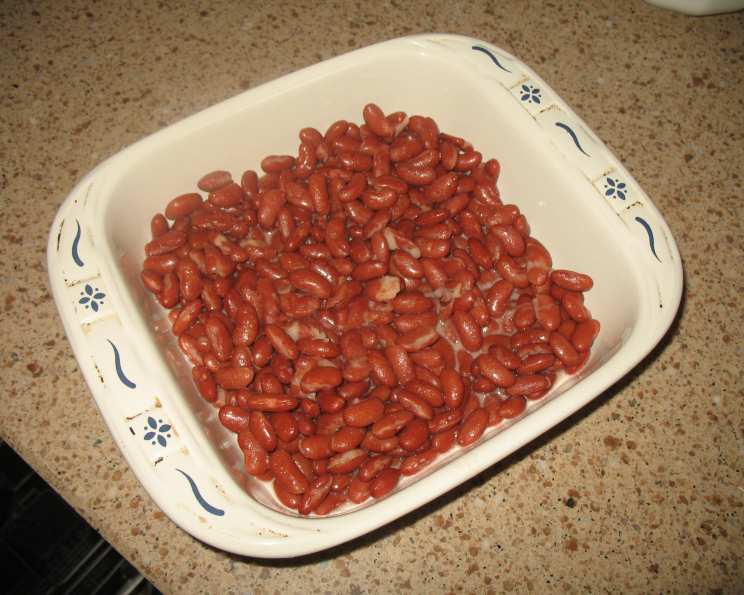
Maharagwe: A Taste of East African Comfort
The scent of simmering beans always transports me back to a small, bustling kitchen in Zanzibar. My aunt Fatima, her hands stained with turmeric and henna, would be stirring a large pot of maharagwe, the creamy coconut milk mingling with the earthy aroma of red beans and warm spices. The air would be thick with laughter, Swahili chatter, and the promise of a simple, satisfying meal shared with family. It’s a memory etched in my heart, and every time I make maharagwe, I feel connected to those vibrant flavors and the warmth of East African hospitality.
Recipe Overview
- Prep Time: 24 hours (soaking)
- Cook Time: 1 hour 10 minutes
- Total Time: 1 hour 30 minutes
- Servings: 4-6
- Dietary Type: Vegan (optional ingredients may vary)
Ingredients
- 2 cups dried red kidney beans, soaked in water overnight
- 1-2 cups coconut milk or 1-2 cups whole milk
- 2-4 tablespoons sugar
- 1/4 teaspoon ground cardamom (or a few small pieces of cinnamon)
- 1 teaspoon salt
- 2 onions, chopped (optional)
- 2 tomatoes, chopped (optional)
- 1 sweet pepper, chopped (optional)
- 2 garlic cloves, crushed and chopped (optional)
- 1 teaspoon mild curry powder (optional)
- 1 small chili pepper, cleaned and chopped (optional)
Equipment Needed
- Large cooking pot
- Knife
- Cutting board
- Measuring cups and spoons
Instructions
- Begin by rinsing and draining the soaked red kidney beans. Discard the soaking water, as it contains compounds that can cause digestive discomfort.
- Transfer the rinsed beans to a large cooking pot. Add fresh water, ensuring the beans are completely covered by at least an inch of water.
- Bring the water to a rapid boil over high heat. Once boiling, cook the beans for 10 minutes. This initial boil helps to further break down any remaining indigestible compounds.
- Reduce the heat to low, so the beans are gently simmering. Continue to simmer until the beans are nearly tender. This typically takes about 45 minutes to 1 hour, depending on the age and variety of the beans. Be sure to check the water level periodically and add more if needed to keep the beans submerged.
- Once the beans are nearly tender, add all the remaining ingredients: coconut milk (or whole milk), sugar, ground cardamom (or cinnamon), salt, and any of the optional ingredients like chopped onions, tomatoes, sweet pepper, crushed garlic cloves, curry powder, and chopped chili pepper.
- Stir gently to combine all the ingredients. Cover the pot tightly with a lid.
- Continue to cook on low heat until the beans are completely tender and the sauce has thickened slightly. This will usually take another 15-20 minutes. Stir occasionally to prevent the beans from sticking to the bottom of the pot.
- Taste and adjust seasoning as needed. You may want to add more sugar for sweetness or more salt to balance the flavors. If you used chili pepper, be mindful of the spice level and add more with caution.
Expert Tips & Tricks
- Soaking the Beans: Don’t skip the soaking step! Soaking the beans overnight not only shortens the cooking time but also makes them easier to digest.
- Coconut Milk Matters: Using full-fat coconut milk will result in a richer, creamier maharagwe. If you prefer a lighter version, you can use light coconut milk, but be aware that the flavor and texture will be slightly different.
- Spice Level: Adjust the amount of chili pepper to your preference. For a milder flavor, you can remove the seeds and membranes from the chili pepper before chopping it.
- Sweet vs. Savory: This recipe provides a base for both sweet and savory versions. For sweet beans, simply omit the optional savory ingredients (onions, tomatoes, sweet pepper, garlic, curry powder, and chili pepper) and increase the amount of sugar to taste.
- Thickening the Sauce: If the sauce is too thin, you can remove the lid for the last 5-10 minutes of cooking to allow some of the liquid to evaporate. You can also mash a small portion of the beans against the side of the pot to help thicken the sauce.
- Make-Ahead: Maharagwe can be made a day or two in advance. The flavors will actually meld and deepen as it sits in the refrigerator.
Serving & Storage Suggestions
Maharagwe can be served hot or warm. For a traditional Swahili breakfast, serve it with slices of fresh bread or chapati for dipping. It’s also a delicious side dish to accompany grilled fish, chicken, or vegetables.
To store leftovers, allow the maharagwe to cool completely before transferring it to an airtight container. Store in the refrigerator for up to 3-4 days. You can also freeze it for up to 2-3 months. When reheating, add a splash of water or coconut milk if the sauce has thickened too much. Reheat gently on the stovetop or in the microwave.
Nutritional Information
| Nutrient | Amount per Serving | % Daily Value |
|---|---|---|
| Calories | ~400 kcal | ~20% |
| Total Fat | ~15g | ~23% |
| Saturated Fat | ~10g | ~50% |
| Cholesterol | 0mg | 0% |
| Sodium | ~500mg | ~21% |
| Total Carbohydrate | ~60g | ~20% |
| Dietary Fiber | ~15g | ~60% |
| Sugars | ~20g | N/A |
| Protein | ~15g | ~30% |
Note: Nutritional information is an estimate and may vary based on specific ingredients and portion sizes.
Variations & Substitutions
- Milk Options: If you don’t have coconut milk, you can use whole milk, almond milk, soy milk, or oat milk. Each will impart a slightly different flavor.
- Spice Variations: Experiment with different spices like cumin, coriander, or turmeric. A pinch of smoked paprika can also add a lovely depth of flavor.
- Vegetable Additions: Feel free to add other vegetables like spinach, kale, or okra for extra nutrients and flavor.
- Protein Boost: For a heartier meal, add some cooked ground beef, chicken, or tofu to the maharagwe.
- Sweetener Alternatives: If you prefer to avoid refined sugar, you can use honey, maple syrup, or agave nectar to sweeten the beans. Adjust the amount to your taste.
FAQs (Frequently Asked Questions)
Q: Do I really need to soak the beans overnight?
A: While not strictly mandatory, soaking is highly recommended. It reduces cooking time and improves digestibility by removing oligosaccharides, which can cause gas.
Q: Can I use canned kidney beans instead of dried?
A: Yes, you can. Use about 4 cups of canned kidney beans, rinsed and drained. Reduce the initial cooking time significantly, adding the remaining ingredients once the canned beans are heated through.
Q: How can I make this spicier?
A: Increase the amount of chili pepper or add a pinch of cayenne pepper. You can also use a spicier curry powder.
Q: My maharagwe is too watery. How do I thicken it?
A: Simmer uncovered for a longer period to allow excess liquid to evaporate. Alternatively, mash some of the beans to release starch and thicken the sauce.
Q: Can I make this in a slow cooker?
A: Absolutely! After the initial 10-minute boil, transfer the beans and water to a slow cooker. Add all the remaining ingredients and cook on low for 6-8 hours, or on high for 3-4 hours, until the beans are tender.
Final Thoughts
Maharagwe is more than just a bean dish; it’s a celebration of flavors, a connection to culture, and a comforting reminder of home. Whether you choose to make it sweet or savory, I encourage you to embrace the simplicity of this recipe and experiment with your own variations. Gather your loved ones, share a bowl of warm maharagwe, and create memories that will last a lifetime. I hope this taste of East Africa brings as much joy to your kitchen as it does to mine. Bon appétit, or as they say in Swahili, furahia mlo wako!