
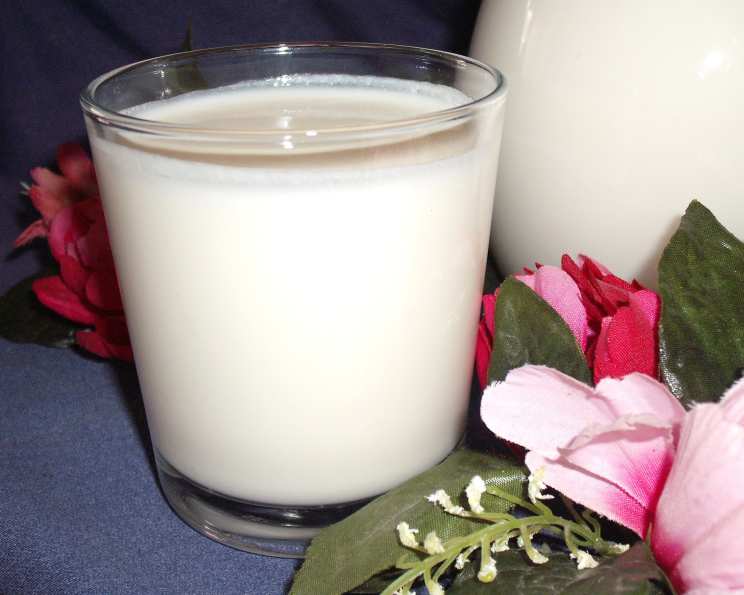
Make Your Own Laben (Buttermilk) – The Easier Way!
I remember my grandmother always having a pitcher of buttermilk on the counter, a staple as ubiquitous as the salt and pepper shakers. It wasn’t just for drinking; it was the secret ingredient in her legendary biscuits, the tang that made her fried chicken sing, and the base for countless creamy dressings. The slightly sour, incredibly rich flavor was a constant comfort, a taste of home that I’ve always tried to recreate. After years of fiddling with various methods, I’ve discovered this delightfully simple technique that brings that same nostalgic flavor right to my kitchen.
Recipe Overview
- Prep Time: 5 minutes
- Total Time: 24-36 hours
- Yields: 2 1/2 cups
- Dietary Type: Vegetarian
Ingredients
- 2 cups whole milk
- 1/4 cup fresh cultured buttermilk
- 1 large mason jar
Equipment Needed
- Mason jar with lid
Instructions
- Begin by pouring the buttermilk and milk into the mason jar. It is absolutely crucial that your mason jar is spotlessly clean to avoid any unwanted bacteria interfering with the culturing process.
- Securely screw the lid onto the mason jar and label it with the date. This helps you keep track of when you started the culturing process.
- Shake the jar vigorously for about one minute to ensure the buttermilk is thoroughly mixed with the milk. This step is essential for even distribution of the cultures.
- Now, let the mixture sit in the warmest part of your home for 24-36 hours – until it has thickened nicely. The warmer the environment, the quicker the culturing process. Check regularly after 24 hours. You’ll know it’s ready when it has the consistency of commercial buttermilk.
- Once thickened, you now have buttermilk! Transfer the buttermilk to your refrigerator and store.
- For subsequent batches, you can repeat the above steps, using your homemade buttermilk as the starter culture. This allows you to maintain a continuous supply of fresh buttermilk.
Expert Tips & Tricks
- Freshness is Key: While you can use store-bought buttermilk to start the process, ensuring it’s as fresh as possible will result in a better-tasting end product. Check the expiration date and opt for the freshest carton you can find.
- Temperature Matters: The warmer your kitchen, the faster the buttermilk will culture. In colder climates, you might want to place the jar near a warm oven (not on top!), or in a sunny spot to encourage fermentation.
- Thickness Adjustment: If you desire a really thick buttermilk, adjust the ratio of buttermilk to milk. Use 1 part buttermilk to 3 parts milk instead of the standard 1:4 ratio. This will create a richer, more dense final product.
- Troubleshooting: If your buttermilk doesn’t thicken after 36 hours, it could be due to the temperature being too low or the buttermilk starter not being active enough. Consider adding a tablespoon or two more of fresh buttermilk to the mixture and allowing it to sit for another 12-24 hours.
- Flavor Enhancement: For an extra layer of flavor, consider adding a pinch of salt to the mixture before shaking. This can help enhance the tanginess of the buttermilk.
Serving & Storage Suggestions
Your homemade buttermilk is incredibly versatile. Use it in your favorite baking recipes like pancakes, muffins, and biscuits for a wonderfully tangy flavor and tender crumb. It’s also excellent for marinating chicken or pork, tenderizing the meat and adding a delicious tang. Additionally, you can use it as a base for creamy salad dressings or even enjoy it straight from the glass.
Store your homemade buttermilk in the refrigerator for up to two weeks. Be sure to keep it tightly sealed to prevent it from absorbing any odors from the fridge. It is not recommended to store it at room temperature due to the risk of spoilage. While freezing is possible, it can alter the texture and is not ideal for drinking. If you do freeze it, it is best used in baking applications.
Nutritional Information
| Nutrient | Amount per Serving | % Daily Value |
|---|---|---|
| Calories | 123 kcal | 6% |
| Total Fat | 6.4 g | 9% |
| Saturated Fat | 3.7 g | 18% |
| Cholesterol | 20 mg | 7% |
| Sodium | 94 mg | 4% |
| Total Carbohydrate | 9.8 g | 3% |
| Dietary Fiber | 0 g | 0% |
| Sugars | 10.3 g | – |
| Protein | 6.5 g | 13% |
Nutritional information is an estimate and can vary based on specific ingredients used.
Variations & Substitutions
- Dairy-Free Buttermilk: While this recipe traditionally uses dairy, you can try a non-dairy version. Substitute the whole milk with full-fat coconut milk or almond milk, and use a dairy-free yogurt alternative as the starter culture. Keep in mind that the taste and texture will be slightly different.
- Lemon Juice or Vinegar Substitute: In a pinch, if you don’t have fresh buttermilk to use as a starter, you can add 1-2 teaspoons of lemon juice or white vinegar to the milk. This won’t create true cultured buttermilk, but it will provide the necessary acidity for some recipes. Note that this version will not perpetuate itself like cultured buttermilk.
- Herbed Buttermilk: Infuse your buttermilk with herbs for a savory twist. Add a sprig of fresh rosemary or thyme to the jar while it’s culturing for a subtle herbal flavor.
FAQs (Frequently Asked Questions)
Q: Can I use skim milk instead of whole milk?
A: While you can use skim milk, the buttermilk will be thinner and less rich. Whole milk provides the fat content necessary for a creamy, flavorful end product.
Q: How do I know if my buttermilk has gone bad?
A: Look for signs of spoilage such as a sour or off-putting smell, or a change in color. If in doubt, it’s best to discard it.
Q: Can I reuse the same mason jar for multiple batches?
A: Yes, as long as you thoroughly clean and sterilize the mason jar between each batch. This will prevent the growth of any unwanted bacteria.
Q: What if my kitchen is too cold for the buttermilk to culture properly?
A: You can try placing the jar in a slightly warmer spot, such as near a radiator or in an oven preheated to a very low temperature (turned off). Just be careful not to overheat it.
Q: Can I add salt or other seasonings to the buttermilk while it’s culturing?
A: Yes, you can add a pinch of salt to enhance the flavor. Experiment with other seasonings like herbs or spices to create unique flavor profiles.
Final Thoughts
Making your own laben (buttermilk) at home is easier than you might think, and the flavor payoff is tremendous. It’s a fantastic way to ensure you always have fresh, tangy buttermilk on hand for all your culinary adventures. Don’t be afraid to experiment with variations and substitutions to find your perfect buttermilk blend. Now, go forth and create, and be sure to share your experiences – I’d love to hear about your buttermilk triumphs! Perhaps you’ll pair it with some freshly baked soda bread, or use it to create a tangy blue cheese dressing! The possibilities are endless.