
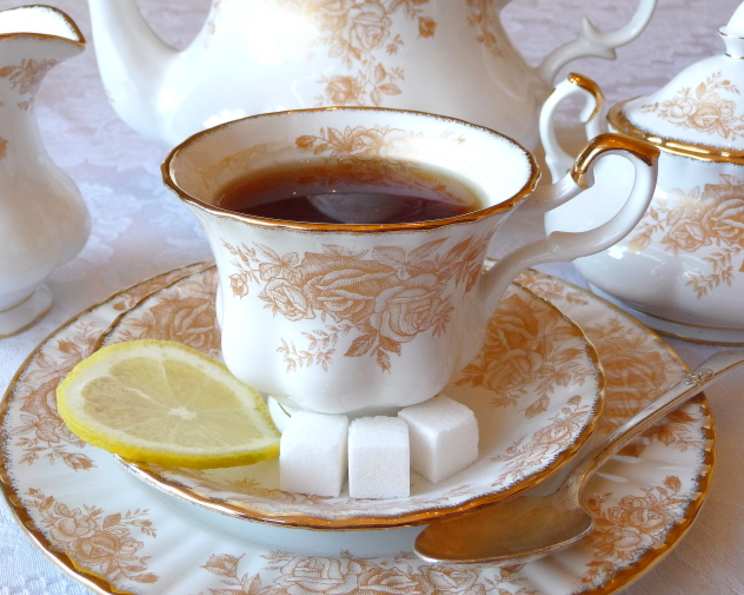
The Art of the Perfect Cuppa: Brewing Tea Like a Pro
I remember my grandmother’s hands, gnarled with age but steady as she poured tea from a floral china pot. The scent of Earl Grey mingled with the aroma of freshly baked scones, a comforting perfume that signaled a moment of calm amidst the chaos of family gatherings. That simple ritual, repeated countless times, instilled in me a deep appreciation for the simple pleasure of a perfectly brewed cup of tea – a ritual I’ve carried with me through countless kitchens and culinary adventures.
Recipe Overview
- Prep Time: 2 minutes
- Steep Time: 3-5 minutes
- Total Time: 10 minutes
- Servings: 1-2
- Yield: 1-2 cups
- Dietary Type: Vegetarian, Vegan (depending on additions)
Ingredients
- 3 teaspoons loose tea (or 3 tea bags) – Use 1 teaspoon or 1 tea bag per person, plus one for the pot.
- Water
- Optional additions:
- Sugar cubes
- Honey
- Lemon slice
- Milk
Equipment Needed
- Kettle
- Teapot (china or earthenware recommended)
- Tea strainer (if using loose leaf tea)
- Tea cups
Instructions
-
Begin by bringing enough water to fill your teapot twice to a full, rolling boil in a kettle. This is crucial, as tepid water will not properly extract the flavors from the tea leaves.
-
Bring the teapot to the kettle and carefully fill it with the boiling water.
-
Let the teapot sit with the hot water inside for a moment or two to warm it up. This preheating step ensures that the teapot doesn’t cool the water down too quickly once you add the tea leaves, maintaining the optimal brewing temperature. Once the teapot is warm, pour out the water.
-
Add the tea to the teapot. The general guideline is one teaspoon of loose tea per cup of tea, plus one for the pot. Adjust to taste, but this is a good starting point. If using tea bags, use one tea bag per cup, plus one for the pot.
-
Pour the boiling water into the teapot, ensuring the water is still at a full boil. Cover the teapot with the lid immediately.
-
Consider covering the teapot with a tea cozy. While not strictly necessary, a tea cozy helps to insulate the pot and maintain a consistent temperature during the steeping process, especially in colder environments.
-
Let the tea steep for three to five minutes. The steeping time is critical and varies depending on the type of tea and your personal preference. Shorter steeping times (around 3 minutes) generally result in a lighter, more delicate flavor, while longer steeping times (up to 5 minutes) produce a stronger, more robust brew. Experiment to find your ideal steeping time.
-
Pour the tea into each cup, using a tea strainer if you are using loose leaf tea. This will prevent any stray leaves from ending up in your cup.
-
Offer guests a selection of additions, such as sugar cubes (or honey), a slice of lemon, or a small serving of milk. The choice is entirely personal and depends on the type of tea and individual preferences.
Expert Tips & Tricks
-
Water Quality Matters: The quality of the water you use significantly impacts the taste of your tea. Filtered water is always preferable to tap water, as it removes impurities that can affect the flavor.
-
Temperature is Key: Ensure the water is at a full, rolling boil when you pour it over the tea leaves. The higher temperature helps to extract the essential oils and flavors from the leaves.
-
Tea Variety: Explore different types of tea to find your favorites. English Breakfast is a classic, robust choice, while Earl Grey, flavored with bergamot, offers a more aromatic experience. Darjeeling is full-bodied, Ceylon is very popular and Lapsang Souchong provides a distinctive, smoky flavor. For a caffeine-free option, consider chamomile tea.
-
Milk First or Last?: The age-old debate of whether to add milk before or after pouring the tea is largely a matter of personal preference. However, if you are using very fragile bone china, adding a bit of milk to the bottom of each tea cup before pouring can help to temper the china and prevent it from cracking due to the sudden temperature change. In this case, avoid offering lemon slices, as the acidity can curdle the milk.
-
Avoid Cream: Always use milk in tea, not cream. Cream can overpower the delicate flavors of the tea.
Serving & Storage Suggestions
Serve your freshly brewed tea immediately for the best flavor. Offer alongside a selection of finger sandwiches, scones, and cakes for a traditional afternoon tea experience.
Tea is best enjoyed fresh. While you can technically store leftover tea in the refrigerator, it will likely become bitter and lose its aroma over time. It is generally not recommended to store tea for more than a few hours. If you do store it, keep it in an airtight container in the refrigerator and consume it within 24 hours. Reheating is not ideal, as it can further degrade the flavor, but if you must, gently reheat it on the stovetop over low heat, avoiding boiling.
Nutritional Information
| Nutrient | Amount per Serving | % Daily Value |
|---|---|---|
| Calories | 2 kcal | 0% |
| Total Fat | 0 g | 0% |
| Saturated Fat | 0 g | 0% |
| Cholesterol | 0 mg | 0% |
| Sodium | 0 mg | 0% |
| Total Carbohydrate | 0 g | 0% |
| Dietary Fiber | 0 g | 0% |
| Sugars | 0 g | 0% |
| Protein | 0 g | 0% |
Note: Nutritional information is an estimate and will vary depending on the specific type of tea and any additions (sugar, honey, milk).
Variations & Substitutions
- Iced Tea: Brew the tea as directed, but use double the amount of tea leaves for a stronger concentrate. Allow it to cool completely, then pour over ice. Add lemon slices and sweetener to taste.
- Herbal Infusions: Experiment with different herbal teas, such as peppermint, ginger, or hibiscus, for caffeine-free alternatives.
- London Fog: Add a splash of vanilla syrup and steamed milk to Earl Grey tea for a creamy, comforting beverage.
- Spiced Tea: Add a cinnamon stick, cardamom pods, or star anise to the teapot during steeping for a warm, aromatic twist.
FAQs (Frequently Asked Questions)
Q: Why is it important to warm the teapot before brewing tea?
A: Warming the teapot helps to maintain a consistent brewing temperature and prevents the teapot from cooling the water down too quickly, ensuring optimal flavor extraction from the tea leaves.
Q: How long should I steep my tea?
A: Steeping time varies depending on the type of tea and your personal preference. Generally, 3-5 minutes is a good starting point. Experiment to find your ideal steeping time.
Q: Can I use tap water to brew tea?
A: While you can use tap water, filtered water is always preferable, as it removes impurities that can affect the flavor of the tea.
Q: Is it better to add milk before or after pouring the tea?
A: It’s largely a matter of personal preference. However, if using delicate bone china, add milk first to temper the cup.
Q: Can I reuse tea leaves?
A: Some higher-quality loose leaf teas can be re-steeped, but the flavor will be less intense with each subsequent brewing.
Final Thoughts
Making a perfect cup of tea is more than just following a recipe; it’s about creating a moment of tranquility and savoring the simple pleasures of life. I encourage you to experiment with different types of tea, steeping times, and additions to find your perfect cuppa. Share your creations with friends and family, and let the warmth of tea and good company brighten your day. Cheers to many delightful tea-drinking moments!