
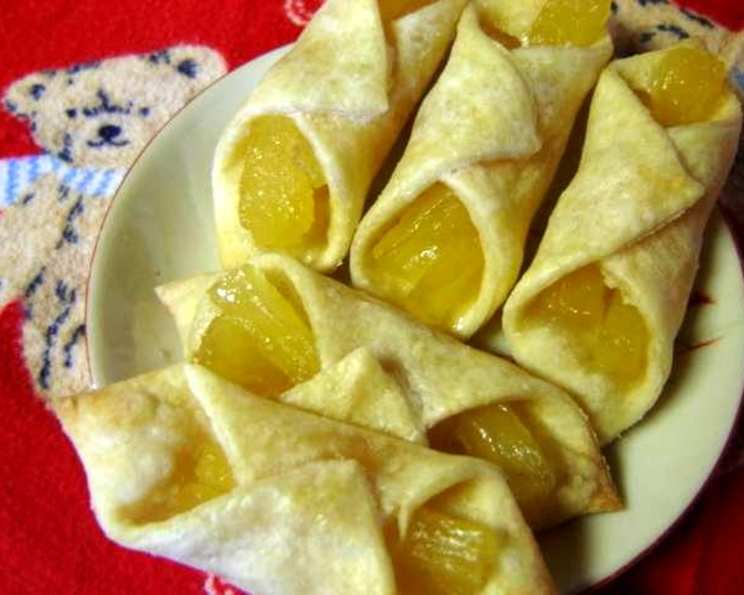
Malaysian Pineapple Pastries: A Taste of Sunshine
The scent of freshly baked pastries, especially those with a tropical twist, instantly transports me back to my internship in a bustling Kuala Lumpur bakery. I remember the intense heat, the chaotic energy, and the sheer joy of learning to craft these delicate pineapple pastries. Each bite was a burst of sweet and tangy sunshine, a reminder of the vibrant culture and warm hospitality I experienced there. These golden pockets of deliciousness weren’t just a dessert; they were a symbol of connection and shared joy. Now, I’m thrilled to share this authentic recipe with you, hoping it brings a little Malaysian sunshine into your kitchen.
Recipe Overview
- Prep Time: 30 minutes
- Cook Time: 10-12 minutes
- Total Time: 1 hour 40 minutes (including chilling time)
- Yields: 32 pastries
- Serves: 32
- Dietary Type: Vegetarian
Ingredients
For the Pineapple Filling:
- ½ medium fresh pineapple
- ½ cup sugar
- ⅓ cup water
For the Pastry Dough:
- ½ cup butter, cold
- 2 cups all-purpose flour
- 2 egg yolks, beaten
- ½ teaspoon vanilla extract
- 5-6 tablespoons cold water
For Glazing:
- 2 egg whites, slightly beaten
Equipment Needed
- Saucepan
- Mixing bowl
- Fork
- Plastic wrap
- Rolling pin
- Lightly floured surface
- Baking sheet
- Wire rack
Instructions
-
Prepare the Pineapple Filling: Begin by peeling the pineapple, carefully removing the eyes and the core. Chop the pineapple into small pieces to yield about 1 ½ cups.
-
Cook the Filling: In a saucepan, combine the chopped pineapple, sugar, and ⅓ cup water. Bring the mixture to a boil over medium-high heat. Once boiling, reduce the heat to medium and simmer, stirring occasionally, until the mixture thickens. This typically takes about 20-30 minutes. Be especially vigilant during the last 5 minutes to prevent the filling from sticking and burning. Remove from heat and let it cool completely.
-
Make the Dough: In a mixing bowl, cut the cold butter into the flour using a pastry blender or your fingertips until the mixture resembles coarse crumbs.
-
Add Wet Ingredients: Add the beaten egg yolks and vanilla extract to the flour mixture. Stir until just combined.
-
Incorporate Water: Sprinkle 1 tablespoon of cold water over part of the mixture. Gently toss with a fork to moisten. Push the moistened dough to the side of the bowl. Repeat this process, adding 1 tablespoon of cold water at a time, until all the mixture is moistened and comes together. You might not need all 6 tablespoons of water.
-
Form and Chill the Dough: Form the dough into a ball. Cover it with plastic wrap and chill in the refrigerator for at least 1 hour. This step is crucial for preventing the butter from melting and ensuring a flaky crust.
-
Prepare for Assembly: Preheat your oven to 400 degrees Fahrenheit (200 degrees Celsius). Line a baking sheet with parchment paper or leave it ungreased.
-
Roll and Cut the Dough: Divide the chilled dough in half. On a lightly floured surface, roll out each half into a 10×10 inch square. Cut each square into sixteen 2 ½ inch squares, resulting in 32 squares total.
-
Fill the Pastries: Spoon about 1 teaspoon of the cooled pineapple filling diagonally in the center of each square.
-
Shape the Pastries: Bring two opposite corners of each square up to meet and slightly overlap at the center, pinching them gently to seal. This creates a classic “envelope” shape.
-
Glaze and Bake: Place the filled pastries on the prepared baking sheet. Lightly brush the tops of each pastry with slightly beaten egg white to seal and give them a beautiful golden sheen.
-
Bake: Bake in the preheated oven for 10 to 12 minutes, or until the pastries are golden brown.
-
Cool: Transfer the baked pastries to a wire rack to cool completely.
Expert Tips & Tricks
- Keep the Butter Cold: Cold butter is key to a flaky crust. If your butter starts to soften while you’re working, put the dough back in the refrigerator for a few minutes.
- Don’t Overwork the Dough: Overworking the dough will develop the gluten, resulting in a tough pastry. Mix only until just combined.
- Cool the Filling Completely: Make sure the pineapple filling is completely cooled before filling the pastries. Warm filling can make the dough soggy.
- Egg Wash Alternatives: If you prefer, you can use milk or cream as an egg wash alternative for a slightly different sheen.
- Make-Ahead Tip: The pineapple filling can be made a day or two in advance and stored in the refrigerator.
Serving & Storage Suggestions
These Malaysian pineapple pastries are best served at room temperature. They are perfect as a snack, a dessert, or even as part of a festive spread. Store cooled pastries in an airtight container at room temperature for up to 3 days. For longer storage, you can freeze them for up to 2 months. Thaw frozen pastries at room temperature before serving. They don’t typically need to be reheated, but you can warm them slightly in a low oven for a few minutes if desired.
Nutritional Information
(Note: Nutritional information is an estimate and can vary based on specific ingredients and portion sizes.)
| Nutrient | Amount per Serving | % Daily Value |
|---|---|---|
| Calories | 74 kcal | 4% |
| Total Fat | 3.2g | 4% |
| Saturated Fat | 1.9g | 9% |
| Cholesterol | 19.4mg | 6% |
| Sodium | 24.6mg | 1% |
| Total Carbohydrate | 10.1g | 3% |
| Dietary Fiber | 0.3g | 1% |
| Sugars | 3.9g | 15% |
| Protein | 1.2g | 2% |
Variations & Substitutions
- Gluten-Free: Use a gluten-free all-purpose flour blend to make gluten-free pineapple pastries. You might need to add a little more water to the dough to compensate for the difference in texture.
- Vegan: Substitute the butter with a vegan butter alternative. Replace the egg yolks in the dough with 2 tablespoons of applesauce or mashed banana. Use aquafaba (chickpea brine) instead of egg white for glazing.
- Spiced Filling: Add a pinch of cinnamon, nutmeg, or cloves to the pineapple filling for a warm, spiced flavor.
- Different Fruits: Experiment with other fruit fillings, such as mango, guava, or even a combination of tropical fruits.
FAQs (Frequently Asked Questions)
Q: Why is my dough crumbly and not coming together?
A: You may not have added enough water. Add 1 teaspoon of cold water at a time until the dough just comes together. Be careful not to add too much water, or the dough will be sticky.
Q: Can I use canned pineapple for the filling?
A: While fresh pineapple is highly recommended for the best flavor and texture, you can use canned pineapple in a pinch. Make sure to drain it well before chopping and cooking. You may need to adjust the amount of sugar depending on the sweetness of the canned pineapple.
Q: How do I prevent the pastries from sticking to the baking sheet?
A: Use parchment paper to line your baking sheet. This will prevent the pastries from sticking and make cleanup easier.
Q: My filling is too runny. How can I fix it?
A: If your pineapple filling is too runny, continue to simmer it over medium heat until it thickens to the desired consistency. You can also add a teaspoon of cornstarch mixed with a tablespoon of water to help thicken it.
Q: Can I freeze the unbaked pastries?
A: Yes, you can freeze the unbaked pastries. Place them on a baking sheet lined with parchment paper and freeze until solid. Then, transfer them to a freezer-safe bag or container. Bake directly from frozen, adding a few extra minutes to the baking time.
Final Thoughts
These Malaysian Pineapple Pastries are more than just a recipe; they’re a taste of adventure, a connection to a vibrant culture, and a delightful treat to share with loved ones. Don’t be intimidated by the steps – the process is surprisingly simple and incredibly rewarding. I encourage you to give this recipe a try and experience the joy of creating these golden pockets of sunshine in your own kitchen. Feel free to adjust the flavors to your liking and share your creations with the world. And if you do, please let me know how they turned out! Selamat makan! (Enjoy your meal!)