
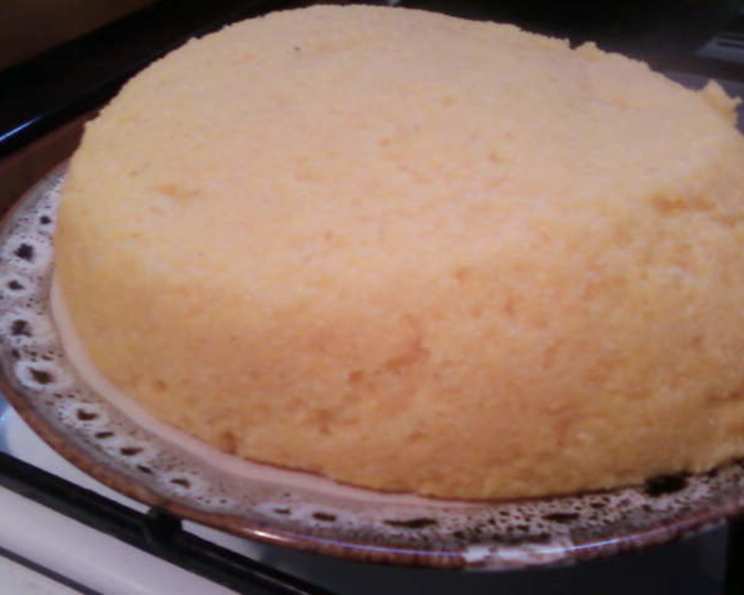
Mamaliga: A Taste of Romanian Heritage
The scent of simmering cornmeal always takes me back to my childhood summers. My grandmother, a sturdy woman with hands that seemed to know instinctively how much of everything to add, would stand over her cast iron pot, stirring and stirring. It wasn’t just cooking; it was a ritual, a connection to her own upbringing in the Romanian countryside. We’d gather around the table, eager for a taste of this simple yet satisfying dish. It was never just food; it was a taste of home, of history, and of love.
Recipe Overview
- Prep Time: 5 minutes
- Cook Time: 20 minutes
- Total Time: 25 minutes
- Servings: 4
- Yield: About 4 cups
- Dietary Type: Gluten-Free, Vegan (naturally)
Ingredients
- 1 cup cornmeal (medium-grind recommended)
- 2 cups water
- 1 teaspoon salt
Equipment Needed
- Medium-sized pot (preferably with a heavy bottom)
- Wooden spoon
Instructions
- In a medium-sized pot, bring the water to a boil over medium-high heat. Add the salt to the boiling water.
- Once the water is boiling vigorously, gradually pour in the cornmeal in a steady stream. Immediately begin stirring continuously with a wooden spoon. It’s crucial to stir constantly from the moment the cornmeal hits the water to prevent lumps from forming.
- As the cornmeal cooks, it will begin to thicken and bubble. Reduce the heat to low. Continue stirring constantly to prevent sticking and lump formation.
- The mamaliga is done when it pulls away from the sides of the pot and forms a thick, smooth mass. This should take about 15-20 minutes of constant stirring. To test for doneness, dip the tail end of a wooden spoon in water, then insert it into the mamaliga. If the spoon comes out clean, the mamaliga is ready.
Expert Tips & Tricks
- Choosing the Right Cornmeal: The texture of your mamaliga will depend on the grind of the cornmeal you use. A medium-grind cornmeal offers a good balance between a smooth and slightly grainy texture, which is traditional. Finely ground cornmeal will create a very smooth, almost pudding-like consistency, while a coarser grind will result in a more rustic texture.
- Preventing Lumps: The key to a lump-free mamaliga is constant stirring. Don’t stop! Especially in the first few minutes after adding the cornmeal, vigorous stirring is essential to break up any clumps that may form.
- Burning Prevention: Using a heavy-bottomed pot helps distribute heat evenly and prevents the mamaliga from sticking and burning. If you don’t have a heavy-bottomed pot, keep the heat very low and stir even more frequently.
- Achieving the Right Consistency: If your mamaliga becomes too thick, you can add a small amount of boiling water (1-2 tablespoons at a time) to thin it out. Stir well after each addition until you reach the desired consistency. Conversely, if it’s too thin, continue cooking over low heat, stirring constantly, until it thickens.
- Flavor Boost: For a richer flavor, you can use chicken or vegetable broth instead of water. You can also add a tablespoon of butter or olive oil towards the end of the cooking process.
Serving & Storage Suggestions
Mamaliga is incredibly versatile and can be served in countless ways. Traditionally, it’s served hot, either sliced or scooped directly from the pot.
-
Serving Suggestions:
- Serve with sour cream and cottage cheese for a classic Romanian experience.
- Top with grated cheese (such as Feta, Parmesan, or Gouda) and a fried egg.
- Serve as a side dish with stews, roasted meats, or grilled vegetables.
- Make “Bear” as my grandma used to do – form a ball of mamaliga around a chunk of cheese!
- Drizzle with olive oil and sprinkle with fresh herbs (such as parsley or dill).
- Serve with a side of brânză de burduf, a Romanian cheese matured in sheep’s skin.
-
Storage:
- Room Temperature: Mamaliga can be left at room temperature for a couple of hours. However, it will start to dry out.
- Refrigerator: Store leftover mamaliga in an airtight container in the refrigerator for up to 3 days.
- Freezer: For longer storage, freeze the mamaliga in an airtight container for up to 2 months.
-
Reheating:
- Stovetop: Reheat mamaliga in a pot over low heat, adding a little water or broth to prevent sticking. Stir frequently until heated through.
- Microwave: Reheat in the microwave in short intervals, stirring in between, until heated through. Add a tablespoon of water or milk to keep it moist.
- Oven: You can bake it in a baking dish. Add a bit of water and cover the dish with foil. Bake in a preheated oven at 350F (175C) until warm.
Nutritional Information
Note: Nutritional information is an estimate and may vary based on specific ingredients and portion sizes.
| Nutrient | Amount per Serving | % Daily Value |
|---|---|---|
| Calories | 120 kcal | 6% |
| Total Fat | 1g | 1% |
| Saturated Fat | 0g | 0% |
| Cholesterol | 0mg | 0% |
| Sodium | 590mg | 25% |
| Total Carbohydrate | 25g | 8% |
| Dietary Fiber | 2g | 7% |
| Sugars | 0g | 0% |
| Protein | 3g | 6% |
Variations & Substitutions
- Cheese Infusion: Stir in grated Parmesan, cheddar, or Gouda cheese while the mamaliga is still hot for a cheesy twist.
- Herbaceous Mamaliga: Add finely chopped fresh herbs like parsley, dill, or chives to the mamaliga during the last few minutes of cooking.
- Garlic Infusion: Sauté minced garlic in olive oil before adding the water for a savory garlic-infused mamaliga.
- Spicy Kick: Add a pinch of red pepper flakes or a dash of hot sauce to the mamaliga for a spicy kick.
- Sweet Mamaliga: For a sweeter version, add a tablespoon of sugar or honey and serve with fresh fruit and yogurt.
- Creamy Mamaliga: For a creamier texture, substitute some of the water with milk or cream.
- Polenta Fries: Once the mamaliga has cooled and solidified, cut it into fry shapes and bake or fry them for a delicious snack.
FAQs (Frequently Asked Questions)
Q: Can I make mamaliga ahead of time?
A: Yes, you can make mamaliga ahead of time. Allow it to cool completely, then store it in an airtight container in the refrigerator. Reheat as directed above.
Q: What kind of cornmeal should I use?
A: Medium-grind cornmeal is recommended for a traditional texture. However, you can use finely ground cornmeal for a smoother consistency or a coarser grind for a more rustic texture.
Q: How do I prevent mamaliga from sticking to the pot?
A: Using a heavy-bottomed pot and stirring constantly will help prevent sticking. Keep the heat low and add a little water or broth if needed.
Q: Can I use broth instead of water?
A: Yes, using chicken or vegetable broth will add a richer flavor to the mamaliga.
Q: My mamaliga is too thick. What should I do?
A: Add a small amount of boiling water (1-2 tablespoons at a time) to thin it out. Stir well after each addition until you reach the desired consistency.
Final Thoughts
Mamaliga is more than just a dish; it’s a connection to the past, a taste of tradition, and a testament to the simple pleasures of life. I encourage you to try this recipe and experience the warmth and comfort of this Romanian staple. Don’t be afraid to experiment with different toppings and variations to create your own unique version. Share your creations with friends and family, and let the flavors of mamaliga transport you to the heart of Romania. And don’t hesitate to reach out and share your feedback, I’d love to hear about your experience making this dish. Serve this alongside a hearty vegetable stew for a complete and satisfying meal!