
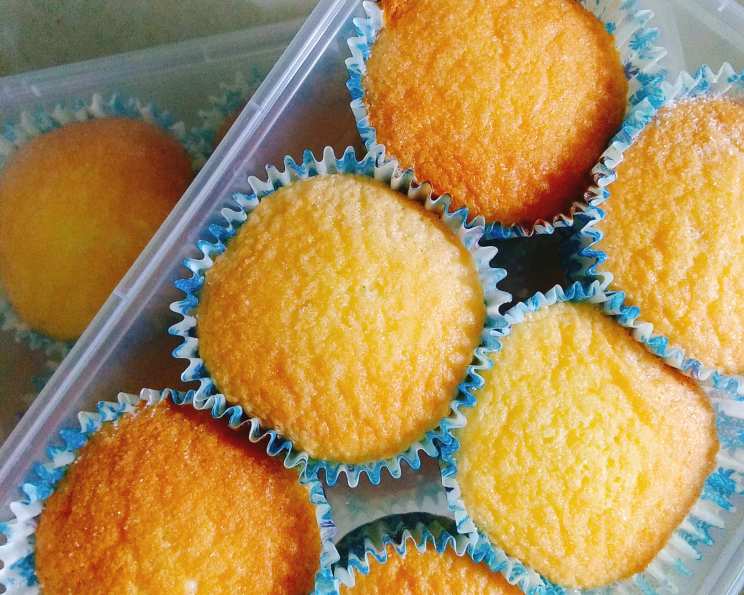
Mamon: A Taste of Home
The scent of freshly baked mamon is more than just an aroma; it’s a memory. It takes me back to Sunday afternoons at my grandmother’s house, the small, fluffy cakes cooling on a wire rack, their delicate sweetness filling the air. We’d eagerly await our turn to snag one, the pillowy texture melting in our mouths, a simple pleasure that connected us to generations past. That perfect balance of sweetness and airy lightness is what makes mamon so irresistible, and I’m thrilled to share this recipe with you, so you can create your own memories.
Recipe Overview
- Prep Time: 20 minutes
- Cook Time: 12-15 minutes
- Total Time: 32-35 minutes
- Servings: 22-26
- Yield: 22-26 mamon
- Dietary Type: Not specified
Ingredients
- 1 cup cake flour
- 1 cup white sugar
- 1 teaspoon baking powder
- 1 teaspoon vanilla
- 6 eggs, separated
- ½ cup vegetable oil
- 1 teaspoon cream of tartar
Equipment Needed
- Large bowls
- Electric mixer
- Sifter
- Muffin pans
- Paper cups
- Toothpick
- Oven
Instructions
-
Preheat your oven to 350°F (175°C). This consistent temperature is crucial for even baking.
-
In a bowl, sift together the cake flour and baking powder. Sifting is a vital step to aerate the flour, preventing lumps and ensuring a light and airy texture. Set this dry mixture aside.
-
In another large bowl, begin preparing the meringue. Beat the egg whites with an electric mixer until they become foamy. Then, add the cream of tartar. The cream of tartar acts as a stabilizer, helping the egg whites hold their stiff peaks. Continue beating until the egg whites form a soft, meringue-like consistency, but not stiff peaks. The meringue should be glossy and hold its shape, but not be dry or overbeaten.
-
Gradually add the white sugar to the meringue while continuously beating with the electric mixer. Adding the sugar slowly ensures it incorporates evenly and doesn’t deflate the egg whites.
-
Add the vanilla extract and vegetable oil to the meringue mixture. The vanilla adds a delicate flavor, while the vegetable oil contributes to the cake’s moistness.
-
Incorporate the egg yolks into the batter one at a time, continuing to beat with the electric mixer after each addition. This ensures that each yolk is fully emulsified into the mixture, creating a smooth and homogenous batter.
-
Gently fold the sifted cake flour and baking powder mixture into the wet ingredients. Be careful not to overmix, as this can develop the gluten in the flour and result in a tough cake. Fold until just combined, ensuring no streaks of flour remain.
-
Line your muffin pans with paper cups. This prevents the mamon from sticking and makes for easy removal.
-
Pour the batter into the prepared paper cups, filling them about 2/3 full. This allows the mamon to rise properly in the oven without overflowing.
-
Bake for 12 to 15 minutes, or until the mamon are golden brown and a toothpick inserted into the center comes out clean. The exact baking time will vary depending on your oven, so it’s important to keep a close eye on them. Begin checking for doneness at 12 minutes.
-
Once baked, remove the muffin pans from the oven and let the mamon cool slightly in the pans before transferring them to a wire rack to cool completely. This prevents them from becoming soggy.
Expert Tips & Tricks
- Don’t Overmix: Overmixing the batter after adding the flour will develop the gluten, resulting in a dense, tough cake. Fold gently until just combined.
- Room Temperature Eggs: Using eggs at room temperature allows them to whip up to a greater volume, resulting in a lighter and airier mamon.
- Sift the Flour: Sifting the flour is crucial for aerating it and removing any lumps. This ensures a smooth and even batter.
- Meringue Consistency: Aim for a soft, meringue-like consistency when beating the egg whites. Avoid overbeating, as this can make the meringue dry and difficult to incorporate into the batter. The best meringue consistency will be soft peaks, not stiff peaks.
- Oven Calibration: Ovens can vary in temperature, so it’s a good idea to use an oven thermometer to ensure accurate baking.
- Golden Brown Perfection: Ensure your mamon reach a beautiful golden brown color. This indicates that they are cooked through and have developed their characteristic flavor.
Serving & Storage Suggestions
Mamon is best enjoyed fresh, while it’s still soft and fluffy. Serve it as a snack with coffee or tea, or as a light dessert after a meal.
To store leftovers, place the mamon in an airtight container at room temperature. They will stay fresh for 2-3 days. You can also freeze them for longer storage. Wrap each mamon individually in plastic wrap and then place them in a freezer bag. Frozen mamon can last for up to 2 months. To reheat, simply thaw at room temperature or microwave for a few seconds.
Nutritional Information
Note: Nutritional information is an estimate and may vary based on specific ingredients and portion sizes.
| Nutrient | Amount per Serving | % Daily Value |
|---|---|---|
| Calories | 122.6 kcal | N/A |
| Calories from Fat | 57 g | 47% |
| Total Fat | 6.4 g | 9% |
| Saturated Fat | 1.1 g | 5% |
| Cholesterol | 57.7 mg | 19% |
| Sodium | 35.8 mg | 1% |
| Total Carbohydrate | 14.2 g | 4% |
| Dietary Fiber | 0.1 g | 0% |
| Sugars | 9.2 g | 36% |
| Protein | 2.2 g | 4% |
Variations & Substitutions
- Citrus Zest: Add a teaspoon of lemon or orange zest to the batter for a bright, citrusy flavor.
- Almond Extract: Substitute half of the vanilla extract with almond extract for a nutty twist.
- Chocolate Chips: Fold in a handful of mini chocolate chips to the batter for a decadent treat.
- Ube Mamon: Incorporate ube (purple yam) extract and a touch of purple food coloring for a vibrant and flavorful variation. Reduce the amount of Vanilla if you’re using Ube extract, as Ube Extract has a similar taste to Vanilla.
- Gluten-Free Mamon: Substitute the cake flour with a gluten-free blend, ensuring it contains xanthan gum for binding.
- Butter Mamon: Substitute the Vegetable Oil with melted unsalted Butter.
FAQs (Frequently Asked Questions)
Q: Why is my mamon dense and not fluffy?
A: Overmixing the batter, not sifting the flour, or using old baking powder can result in a dense mamon. Ensure you fold the ingredients gently and use fresh baking powder.
Q: Can I use all-purpose flour instead of cake flour?
A: Cake flour has a lower protein content than all-purpose flour, resulting in a more tender crumb. If you must use all-purpose flour, remove 2 tablespoons of the flour and replace it with 2 tablespoons of cornstarch.
Q: How do I prevent the mamon from sticking to the paper cups?
A: Using good quality paper cups or lightly greasing the cups with cooking spray can help prevent sticking.
Q: Can I make this recipe ahead of time?
A: Yes, you can bake the mamon a day ahead of time and store them in an airtight container at room temperature.
Q: Is it important to separate the eggs?
A: Yes, separating the eggs is crucial for achieving the light and airy texture of mamon. The beaten egg whites create volume, while the yolks add richness and flavor.
Final Thoughts
Now it’s your turn to bring the warmth and joy of mamon into your own kitchen. Don’t be intimidated by the steps; this recipe is more about technique than complexity. Embrace the process, and remember that even if your first batch isn’t perfect, it will still be delicious! Feel free to experiment with variations, and most importantly, share your creations with loved ones. I can’t wait to hear about your mamon-making adventures. Perhaps you’ll serve your mamon with a steaming cup of tsokolate (Filipino hot chocolate), a pairing that perfectly complements the cake’s gentle sweetness. Happy baking!