
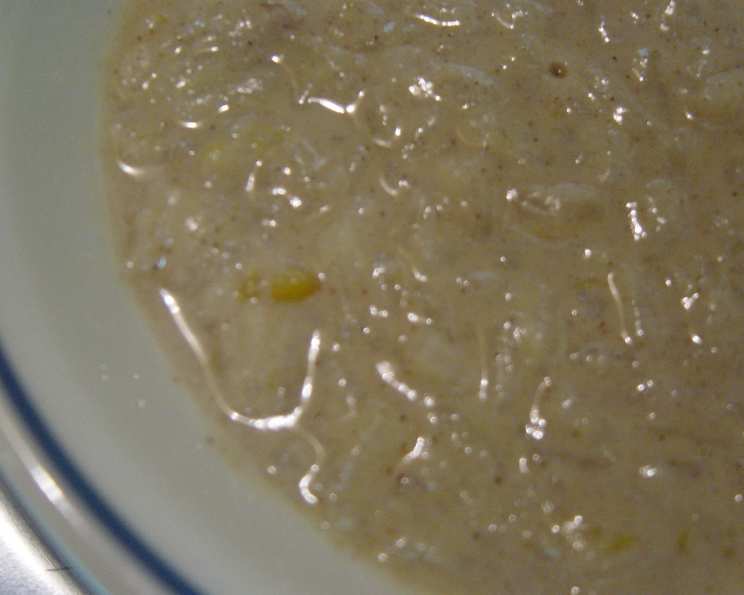
Mango and Coconut Rice Pudding: A Taste of Tropical Comfort
The first time I tasted mango and coconut rice pudding, I was transported. Not just to a faraway beach with swaying palms, but back to my grandmother’s kitchen. She always had a pot of something simmering on the stove, and though her specialties were more along the lines of hearty stews and rustic breads, I imagine if she’d ever ventured into tropical desserts, this would have been it. The creamy sweetness, the soft texture of the rice, and that burst of sunshine from the mango—it’s a flavor combination that feels both comforting and exciting, a perfect ending to any meal.
Recipe Overview
- Prep Time: 15 minutes
- Cook Time: 45-50 minutes
- Total Time: 1 hour 5 minutes
- Servings: 4
- Dietary Type: Vegetarian
Ingredients
- ¾ cup long-grain rice
- 1 ½ cups water
- 1 cup cream of coconut (not coconut milk)
- 2 cups milk (any kind works, whole milk gives a richer result)
- ½ cup light brown sugar, packed
- ¼ cup granulated sugar (or to taste)
- ½ teaspoon ground cinnamon
- 1 fresh mango
Equipment Needed
- Medium saucepan with lid
- Measuring cups and spoons
- Peeler
- Cutting board
- Knife
- Stirring spoon or spatula
Instructions
-
Begin by combining the rice and water in a medium saucepan. Place the pan over medium heat, bring to a simmer, then reduce the heat to low, cover, and cook until the rice is cooked through and most of the water has been absorbed. This usually takes about 15-20 minutes. Keep an eye on it to prevent sticking.
-
Once the rice is tender and the water nearly gone, add the cream of coconut, milk, light brown sugar, and cinnamon to the pan. Stir well to combine everything.
-
Increase the heat slightly to medium-low, allowing the liquid to warm up. Once the mixture is warm, taste it. Now is the time to adjust the sweetness to your liking by adding granulated sugar, a little at a time, up to ¼ cup. Remember that the mango will also contribute to the overall sweetness.
-
Reduce the heat back to low and let the rice pudding simmer gently for 40-45 minutes, stirring frequently. This is crucial to prevent the rice from sticking to the bottom of the pan and burning. As it simmers, the pudding will thicken and become creamy.
-
While the rice pudding simmers, prepare the mango. Peel the mango and cut the flesh away from the pit. Finely dice the mango and set it aside. If your mango is particularly fibrous, make sure to remove any tough pieces before dicing.
-
When the rice pudding has reached a creamy consistency (it should coat the back of a spoon), add the diced mango to the pan. Stir gently to incorporate the mango into the pudding.
-
Continue to cook for another 2 minutes, just long enough to allow the mango to soften slightly and release its flavors. Avoid overcooking the mango, as it can become mushy.
-
Remove the pan from the heat and let the rice pudding stand for a few minutes before serving. This allows the flavors to meld together even more beautifully.
-
Serve warm and enjoy the tropical goodness!
Expert Tips & Tricks
- Rice Choice: Using long-grain rice is essential for this recipe, as it holds its shape well during cooking. Avoid short-grain rice, which can become too mushy.
- Cream of Coconut vs. Coconut Milk: Make sure you’re using cream of coconut, not coconut milk. Cream of coconut is much thicker and sweeter, giving the pudding its characteristic richness. You can find it in the international aisle of most grocery stores.
- Preventing Sticking: Frequent stirring is key to preventing the rice pudding from sticking and burning. Use a silicone spatula to scrape the bottom and sides of the pan as you stir.
- Adjusting Consistency: If the rice pudding becomes too thick during simmering, add a splash of milk to thin it out. If it’s too thin, continue to simmer for a few more minutes until it reaches your desired consistency.
- Make Ahead: You can make the rice pudding a day ahead of time. Just store it in the refrigerator and gently reheat it on the stovetop with a splash of milk to loosen it up. Add the fresh mango just before serving to preserve its texture and flavour.
Serving & Storage Suggestions
Serve the Mango and Coconut Rice Pudding warm, either on its own or with a sprinkle of toasted coconut flakes for added texture and visual appeal. You could also add a dollop of whipped cream or a scoop of vanilla ice cream for an extra indulgent treat. Leftover rice pudding can be stored in an airtight container in the refrigerator for up to 3 days. Reheat gently on the stovetop or in the microwave, adding a little milk if needed to restore its creamy consistency. It is best consumed within this time frame. Freezing is not recommended as it affects the texture of the rice.
Nutritional Information
| Nutrient | Amount per Serving | % Daily Value |
|---|---|---|
| Calories | 533 kcal | N/A |
| Total Fat | 18g | 27% |
| Saturated Fat | 14.5g | 72% |
| Cholesterol | 17.1mg | 5% |
| Sodium | 112.1mg | 4% |
| Total Carbohydrate | 87.9g | 29% |
| Dietary Fiber | 3.2g | 12% |
| Sugars | 51.2g | N/A |
| Protein | 8.7g | 17% |
Note: Nutritional information is an estimate and may vary based on specific ingredients and serving sizes.
Variations & Substitutions
- Dairy-Free Version: Substitute the milk with coconut milk or almond milk for a dairy-free version.
- Spice It Up: Add a pinch of ground cardamom or ginger along with the cinnamon for a warmer, more complex flavor profile.
- Different Fruits: Experiment with other tropical fruits, such as pineapple, papaya, or banana, in place of or in addition to the mango.
- Toasted Coconut: Toast some shredded coconut in a dry pan until golden brown and sprinkle it over the rice pudding for added texture and flavor.
- Add Nuts: Stir in some chopped macadamia nuts or cashews for a crunchy element.
FAQs (Frequently Asked Questions)
Q: Can I use regular coconut milk instead of cream of coconut?
A: While you can use coconut milk, the rice pudding will be less sweet and rich. You may need to add more sugar to compensate. Cream of coconut provides a unique sweetness and thickness that’s ideal for this recipe.
Q: How do I prevent the rice pudding from sticking to the bottom of the pan?
A: Stirring frequently, especially towards the end of the cooking time, is key. Use a silicone spatula to scrape the bottom and sides of the pan as you stir. A heavy-bottomed pan can also help distribute the heat more evenly.
Q: Can I use brown rice instead of long-grain white rice?
A: While you can experiment with brown rice, it will require a longer cooking time and may result in a slightly different texture. Pre-cooking the brown rice can help reduce the cooking time in the pudding.
Q: My rice pudding is too thick. How can I thin it out?
A: Simply add a splash of milk, a tablespoon at a time, until you reach your desired consistency. Stir well after each addition.
Q: Can I add other spices besides cinnamon?
A: Absolutely! Feel free to experiment with other warm spices like nutmeg, cardamom, or ginger to customize the flavor to your liking.
Final Thoughts
I hope this recipe for Mango and Coconut Rice Pudding brings a little bit of sunshine into your kitchen. It’s a simple dish, but the combination of creamy rice, sweet coconut, and juicy mango is truly irresistible. Don’t be afraid to experiment with the variations and substitutions to make it your own. Share your creations and feedback—I’d love to hear how it turns out for you! And for the ultimate tropical treat, pair this dessert with a refreshing iced tea or a light, crisp white wine. Bon appétit!