
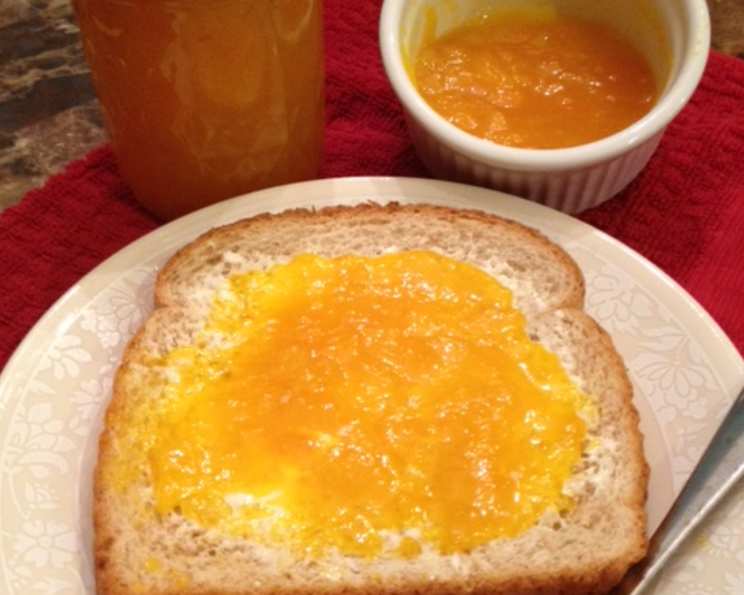
Tropical Sunshine in a Jar: Homemade Mango and Pineapple Jam
There’s a certain magic in the kitchen when the aroma of simmering fruit fills the air, transforming simple ingredients into something extraordinary. I remember being a child, perched on a stool in my grandmother’s kitchen, watching her make her famous strawberry preserves. The vibrant colors, the sweet scent, and the feeling of anticipation as the jars cooled… It’s a memory I cherish. Now, I try to recreate that magic with my own twist, and this Mango and Pineapple Jam is one of my favorite ways to do it – a taste of the tropics that brightens even the dreariest day.
Recipe Overview
- Prep Time: 15 minutes
- Cook Time: 20 minutes
- Total Time: 35 minutes
- Yields: About 3 cups
- Serves: 48 (as a spread/topping)
- Dietary Type: Vegan, Gluten-Free
Ingredients
- 2 cups ripe mangoes, cut into small pieces
- 1 cup crushed pineapple, undrained
- 1/3 cup lime juice (or lemon juice)
- 2 cups granulated sugar
Equipment Needed
- Large saucepan or pot
- Potato masher or fork
- Measuring cups and spoons
- Sterilized jars with lids
Instructions
-
Start by preparing your mangoes. Peel them carefully and cut the flesh into small, manageable pieces. This will help them break down more easily during cooking.
-
Place the mango pieces in a large saucepan or pot. Use a potato masher or a sturdy fork to gently mash the mangoes. This step is crucial for releasing their natural juices and creating a smoother texture for the jam. Don’t over-mash; a little bit of chunkiness is perfectly fine.
-
Add the crushed pineapple (including the juice) to the saucepan with the mashed mangoes. The pineapple not only contributes to the delicious tropical flavor, but also helps with the gelling process due to its natural pectin content.
-
Pour in the lime juice (or lemon juice). The acidity of the lime (or lemon) is essential for balancing the sweetness of the fruit and also acts as a natural preservative. Stir well to combine the mango, pineapple, and lime juice.
-
Add the granulated sugar to the mixture. Sugar not only sweetens the jam but also helps to preserve it. Stir well until the sugar is evenly distributed.
-
Place the saucepan over medium heat and bring the mixture to a boil. Once it reaches a boil, reduce the heat slightly to maintain a rapid boil.
-
Continue to boil the mixture rapidly for 15 to 20 minutes, stirring frequently to prevent sticking and burning. The jam will start to thicken as it cooks down. The key is to monitor the consistency closely.
-
To test for doneness, place a small spoonful of the jam onto a chilled plate. Let it cool for a minute or two. Then, push the jam with your finger. If it wrinkles and forms a skin, it’s ready. If it’s still runny, continue to cook for a few more minutes, testing again until it reaches the desired consistency. Be careful not to overcook the jam, as it will become too thick once it cools.
-
Once the jam has reached the desired thickness, remove it from the heat. Carefully pour the hot jam into sterilized jars, leaving about ¼ inch of headspace at the top.
-
Wipe the rims of the jars clean with a damp cloth. Place the lids on the jars and screw the bands on tightly.
-
To ensure a longer shelf life, process the filled jars in a boiling water bath for 10 minutes. Alternatively, you can store the jars in the refrigerator for several weeks or freeze them for longer storage.
-
Let the jars cool completely. As they cool, you should hear a “pop” sound, indicating that the jars have sealed properly. If any jars don’t seal, store them in the refrigerator and use them within a few weeks.
Expert Tips & Tricks
- Fruit Selection: Using ripe, but not overly ripe, mangoes is crucial for the best flavor and texture. Underripe mangoes will be too tart, while overripe ones might make the jam too mushy.
- Sugar Adjustment: Adjust the amount of sugar to your liking, depending on the sweetness of the mangoes and pineapple. Start with the recommended amount and add more if needed, but remember that sugar is also important for preservation.
- Lime vs. Lemon: While lime juice is preferred for its complementary tropical flavor, lemon juice works just as well and can be a good substitute if lime is unavailable.
- Preventing Burning: Stirring frequently is key to preventing the jam from sticking to the bottom of the pot and burning. Use a heat-resistant spatula or wooden spoon to scrape the bottom of the pot while stirring.
- Jar Sterilization: Proper jar sterilization is essential for preserving the jam and preventing spoilage. You can sterilize jars by boiling them in water for 10 minutes or by baking them in the oven at 225°F (107°C) for 20 minutes.
Serving & Storage Suggestions
This Mango and Pineapple Jam is incredibly versatile. Spread it on toast, biscuits, or scones for a delightful breakfast treat. Use it as a topping for yogurt, oatmeal, or ice cream. It also makes a delicious filling for pastries, cakes, or tarts.
For storage, properly sealed jars of jam can be stored in a cool, dark place for up to a year. Once opened, store the jam in the refrigerator for several weeks. You can also freeze the jam for longer storage, although the texture may change slightly upon thawing.
Nutritional Information
| Nutrient | Amount per Serving | % Daily Value |
|---|---|---|
| Calories | 40 kcal | 2% |
| Total Fat | 0g | 0% |
| Saturated Fat | 0g | 0% |
| Cholesterol | 0mg | 0% |
| Sodium | 0mg | 0% |
| Total Carbohydrate | 10g | 3% |
| Dietary Fiber | 0g | 0% |
| Sugars | 10g | – |
| Protein | 0g | 0% |
Note: Nutritional information is an estimate and may vary based on specific ingredients used.
Variations & Substitutions
- Spice it Up: Add a pinch of red pepper flakes or a small piece of finely chopped chili pepper to the jam for a touch of heat.
- Ginger Zing: Grate a small piece of fresh ginger into the jam during the cooking process for a warm and aromatic flavor.
- Coconut Infusion: Add a tablespoon of shredded coconut to the jam during the last few minutes of cooking for a tropical twist.
- Citrus Blend: Experiment with different citrus juices, such as orange or grapefruit, in addition to or instead of lime or lemon juice.
FAQs (Frequently Asked Questions)
Q: Do I need to use a specific type of mango?
A: While any ripe mango will work, varieties like Ataulfo or Honey mangoes tend to have a naturally sweeter flavor and smoother texture, which are ideal for jam making.
Q: Can I use frozen mangoes and pineapple?
A: Yes, you can use frozen fruit. Just be sure to thaw them completely and drain any excess liquid before adding them to the saucepan. The cooking time may need to be adjusted slightly.
Q: How do I know if my jars are properly sealed?
A: Properly sealed jars will have a concave lid that doesn’t flex when pressed in the center. If a jar doesn’t seal, store it in the refrigerator and use the jam within a few weeks.
Q: Can I reduce the amount of sugar in the recipe?
A: While you can reduce the sugar slightly, keep in mind that sugar is important for both sweetness and preservation. Reducing it too much may affect the texture and shelf life of the jam.
Q: What can I do if my jam is too runny?
A: If your jam is too runny, continue to cook it over medium heat, stirring frequently, until it reaches the desired consistency. You can also add a small amount of pectin to help it thicken.
Final Thoughts
This Mango and Pineapple Jam is more than just a recipe; it’s a taste of sunshine in a jar. I encourage you to try making it yourself and experience the joy of creating something delicious and homemade. Feel free to experiment with different variations and substitutions to create your own unique flavor. Share your creations with friends and family, and let me know what you think! This jam pairs beautifully with freshly baked scones or a dollop of creamy coconut yogurt. Happy cooking!