
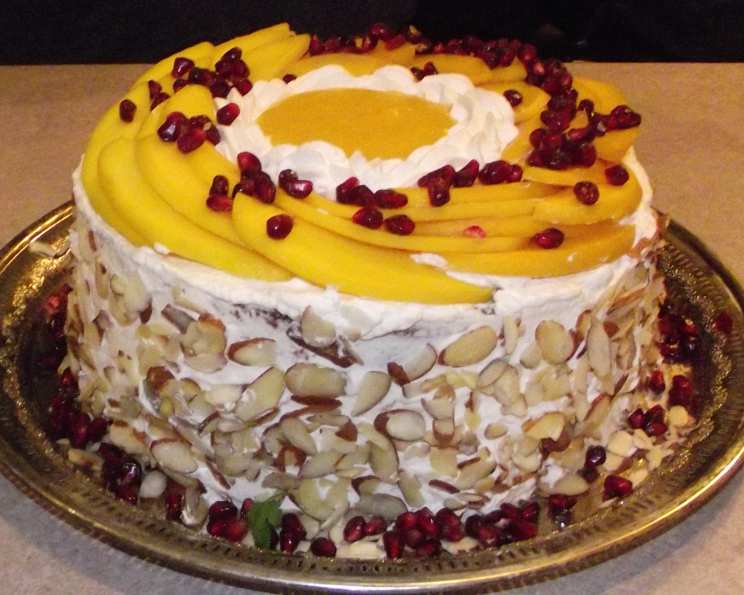
Mango-Orange Mousse Cake: A Taste of Sunshine
The memory is etched in my mind: a sweltering summer afternoon, the air thick with the scent of ripening mangoes. My grandmother, a woman whose hands could coax magic from any ingredient, would be in the kitchen, humming a tuneless melody. The object of her affection? A Mango-Orange Mousse Cake, a confection that was as vibrant and joyful as her spirit. Each bite was a burst of tropical sunshine, a welcome respite from the oppressive heat, and a symbol of the love she poured into everything she made. This cake isn’t just a dessert; it’s a taste of home, a reminder of laughter, and a tribute to a woman who taught me that the simplest things, when made with love, can be extraordinary.
Recipe Overview
- Prep Time: 45 minutes
- Cook Time: 10 minutes
- Total Time: 5 hours 45 minutes (includes chilling time)
- Servings: 10
- Yield: 1 cake
- Dietary Type: Not suitable for vegans
Ingredients
For the Cake:
- 1/2 cup sifted cake flour
- 1/2 teaspoon baking powder
- 2 large eggs
- 2 large egg yolks
- 1/2 cup sugar
- 2 tablespoons unsalted butter, melted
For the Mango Mousse:
- 1/4 cup orange liqueur
- 1 package unflavored gelatin
- 2 1/2 lbs large ripe mangoes, peeled, pitted, chopped
- 1/2 cup sugar
- 1 cup chilled whipping cream
For the Frosting:
- 1 cup chilled whipping cream
- 1 tablespoon powdered sugar
- 1 1/2 teaspoons orange liqueur
For the Garnish:
- 1 1/2 cups sliced almonds, toasted
- 1 ripe mango, peeled, pitted, sliced
Equipment Needed
- Two 9-inch-diameter cake pans with 1 1/2-inch-high sides
- Waxed paper
- Medium bowl
- Large bowl
- Electric mixer
- Processor or blender
- Small bowl
- Saucepan
- 9-inch-diameter springform pan with 2 3/4-inch-high sides
- Platter
Instructions
-
Prepare the Cake Pans: Position a rack in the center of your oven and preheat to 400°F (200°C). Butter two 9-inch-diameter cake pans with 1 1/2-inch-high sides thoroughly. Line the bottoms of the cake pans with waxed paper. Butter the paper lining and dust lightly with flour, tapping out any excess. This ensures the cakes release easily.
-
Sift Dry Ingredients: In a medium bowl, sift together the 1/2 cup cake flour and 1/2 teaspoon baking powder. Sifting is crucial for a light and airy cake.
-
Whisk Eggs and Sugar: Using an electric mixer in a large bowl, beat the 2 eggs and 2 egg yolks until frothy. Gradually add the 1/2 cup sugar and continue beating until the mixture is pale yellow and a slowly dissolving ribbon forms when the beaters are lifted, about 4 minutes. This step incorporates air and creates a stable base for the cake.
-
Combine Wet and Dry: Gently fold the flour mixture into the egg mixture. Be careful not to overmix, as this can develop the gluten and result in a tough cake.
-
Incorporate Butter: Fold 1 heaping tablespoon of the batter into the 2 tablespoons of melted butter. This tempers the butter and prevents it from deflating the batter when added.
-
Final Batter Integration: Fold the butter mixture back into the remaining batter until just combined. Again, avoid overmixing.
-
Bake the Cakes: Divide the batter evenly between the prepared cake pans. Bake until the cakes are just golden brown around the edges and a toothpick inserted into the centers comes out clean, about 10 minutes. Keep a close eye on them, as they can burn easily.
-
Cool the Cakes: Cool the cakes completely in the pans on a wire rack before handling.
-
Prepare the Gelatin: Pour the 1/4 cup orange liqueur into a small bowl; sprinkle the 1 package of unflavored gelatin over the liqueur. Let the gelatin soften for 10 minutes. This process, called blooming, is essential for the gelatin to dissolve properly.
-
Make Mango Puree: Peel, pit, and chop the 2 1/2 lbs of ripe mangoes. Puree the mangoes in a processor or blender until smooth.
-
Measure the Puree: Measure the puree. Return 2 1/2 cups of the puree to the work bowl of the processor. Reserve the remaining puree for garnish later.
-
Sweeten the Puree: Add the 1/2 cup sugar to the 2 1/2 cups of mango puree in the processor and blend well.
-
Dissolve the Gelatin: Set the bowl of gelatin in a saucepan of simmering water. Stir until the gelatin dissolves completely. Be careful not to let the water boil, as this can weaken the gelatin’s setting ability.
-
Combine Gelatin and Mango: Add the dissolved gelatin mixture to the mango puree in the processor and blend until well combined.
-
Whip the Cream: In a large bowl, whip the 1 cup of chilled whipping cream to soft peaks.
-
Fold in Mango: Gently fold the whipped cream into the mango mixture until just combined. Be careful not to deflate the cream.
-
Assemble the Cake: Transfer 1 cake layer to a 9-inch-diameter springform pan with 2 3/4-inch-high sides.
-
Add Mousse Layer: Spread the mango mousse evenly over the cake layer.
-
Top with Second Cake: Place the second cake layer atop the mousse. Press lightly to even it out.
-
Chill: Wrap the springform pan tightly with plastic wrap and refrigerate for at least 4 hours, or preferably overnight. This allows the mousse to set completely. (The cake can be prepared 1 day ahead at this stage.)
-
Prepare the Frosting: In a clean bowl, whip the 1 cup chilled whipping cream until soft peaks form.
-
Sweeten and Flavor: Add the 1 tablespoon powdered sugar and 1 1/2 teaspoons orange liqueur and beat until firm peaks form.
-
Frost the Cake: Release the sides of the springform pan. Transfer the cake to a platter. Frost the top and sides of the cake with the whipped cream mixture.
-
Garnish: Press the 1 1/2 cups of toasted sliced almonds onto the sides of the cake. Garnish the top with sliced ripe mango. Brush the mango slices with the reserved mango puree for a glossy finish.
Expert Tips & Tricks
- Cake Flour is Key: Using cake flour makes a noticeable difference in the cake’s tenderness. Don’t substitute it with all-purpose flour.
- Mango Ripeness: Use perfectly ripe mangoes for the best flavor and texture in the mousse.
- Toast the Almonds: Toasting the almonds enhances their flavor and provides a delightful crunch. Spread them in a single layer on a baking sheet and bake at 350°F (175°C) for 5-7 minutes, or until golden brown. Watch them carefully, as they can burn quickly.
- Prevent Soggy Cake: To prevent the cake layers from becoming soggy, consider brushing them lightly with a simple syrup flavored with orange liqueur before adding the mousse.
- Even Mousse Layer: Use an offset spatula to create a perfectly smooth and even layer of mousse.
Serving & Storage Suggestions
Serve the Mango-Orange Mousse Cake chilled. Its vibrant colors and tropical flavors make it a perfect dessert for any occasion. To elevate the presentation, consider adding a few fresh mint leaves or edible flowers.
Leftover cake should be stored in an airtight container in the refrigerator. It will last for up to 3 days. The cake is best enjoyed within the first 2 days, as the mousse may start to soften slightly after that. This cake is not suitable for freezing, as the mousse texture will be compromised upon thawing.
Nutritional Information
| Nutrient | Amount per Serving | % Daily Value |
|---|---|---|
| Calories | 483 kcal | N/A |
| Total Fat | 29g | 44% |
| Saturated Fat | 14g | 68% |
| Cholesterol | 156mg | 51% |
| Sodium | 55mg | 2% |
| Total Carbohydrate | 53g | 17% |
| Dietary Fiber | 4g | 16% |
| Sugars | 42g | N/A |
| Protein | 7g | 13% |
Note: Nutritional information is an estimate and may vary based on specific ingredients and portion sizes.
Variations & Substitutions
- Tropical Twist: Replace the orange liqueur with passion fruit liqueur for a more exotic flavor profile.
- Citrus Boost: Add a teaspoon of orange zest to the cake batter for an extra burst of citrus aroma.
- Coconut Infusion: Substitute half of the whipping cream in the mousse with coconut cream for a richer, more tropical flavor.
- Nut-Free Option: Omit the almond garnish or replace it with toasted coconut flakes.
- Seasonal Fruit: While mangoes are the star, you can experiment with other tropical fruits like papaya or pineapple, adjusting the sugar content as needed.
FAQs (Frequently Asked Questions)
Q: Can I use frozen mangoes for the mousse?
A: While fresh mangoes provide the best flavor and texture, you can use frozen mangoes if they are thawed completely and drained of any excess liquid. Be sure to adjust the sugar content as frozen mangoes can sometimes be less sweet.
Q: Can I make this cake without orange liqueur?
A: Yes, you can substitute the orange liqueur with orange juice or orange extract. However, the liqueur adds a unique depth of flavor that is worth including if possible. If using orange juice, reduce the amount slightly to account for the added liquid.
Q: How do I prevent the mousse from being too runny?
A: Ensure the gelatin is properly bloomed and dissolved completely. Also, make sure the whipped cream is whipped to soft peaks before folding it into the mango mixture. Chilling the mousse for the recommended time is also crucial for it to set properly.
Q: Can I use a different type of nut for the garnish?
A: Absolutely! You can use any nut you prefer, such as pecans, walnuts, or macadamia nuts. Just be sure to toast them for the best flavor and texture.
Q: How do I get clean slices when serving the cake?
A: Use a sharp, thin-bladed knife and dip it in hot water before each slice. Wipe the knife clean between slices to prevent the mousse from sticking.
Final Thoughts
This Mango-Orange Mousse Cake is more than just a recipe; it’s an invitation to create a memory, to share a slice of sunshine with loved ones. The combination of light, airy cake, creamy mango mousse, and zesty orange notes is simply irresistible. I encourage you to try this recipe and experience the joy it brings. Don’t be afraid to put your own spin on it and make it your own. And if you do, I would love to hear about your experience! What variations did you try? What did your friends and family think? Let’s share our culinary adventures and spread the love of good food!