
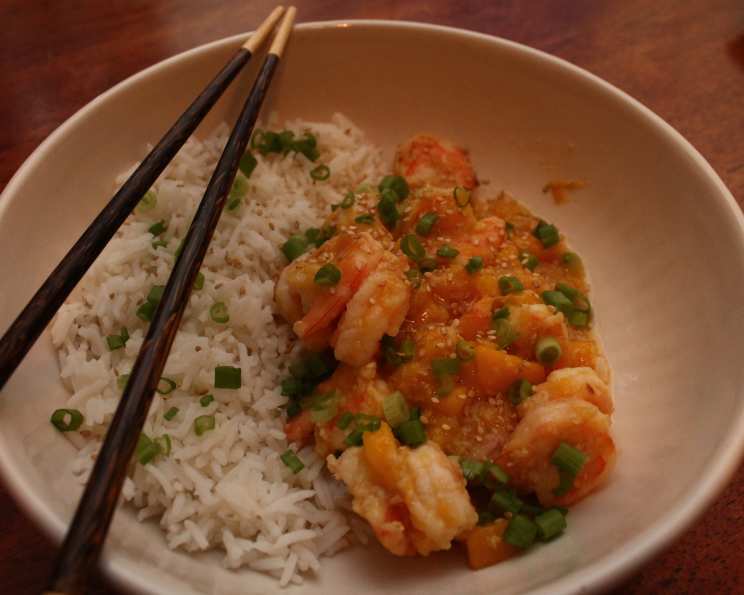
Mango Shrimp: A Taste of Tropical Sunshine
I remember the first time I tasted mango shrimp. I was on a tiny island in Thailand, the air thick with humidity and the scent of jasmine. A street vendor, with a smile as bright as the midday sun, handed me a paper cone filled with glistening shrimp and chunks of sweet, juicy mango. The explosion of flavors – the savory shrimp, the tropical sweetness of the mango, and the subtle heat of chili – was an epiphany. It was sunshine on a plate, and it sparked a lifelong love for this incredible combination. Now, I bring that taste of the tropics to my own kitchen, and I’m excited to share this recipe with you.
Recipe Overview
- Prep Time: 25 minutes
- Cook Time: 10 minutes
- Total Time: 35 minutes
- Servings: 4
- Dietary Type: Dairy-Free
Ingredients
- 1 lb raw shrimp, cleaned, peeled, and deveined
- 1 egg white
- 2 teaspoons cornstarch
- 1/2 teaspoon salt, plus 1/2 teaspoon salt
- 1 teaspoon sesame oil, plus 2 teaspoons sesame oil
- 1/2 teaspoon white pepper
- 1 lb mango, peeled and cubed
- 2 tablespoons peanut oil, plus 1 1/2 tablespoons peanut oil
- 1 1/2 tablespoons fresh ginger, peeled and chopped fine
- 1 1/2 tablespoons garlic, chopped fine
- 1 tablespoon rice wine or 1 tablespoon dry sherry
- Chopped scallion, for garnishing
Equipment Needed
- Large bowl
- Wok or large frying pan
- Paper towels
Instructions
- In a large bowl, whisk together the egg white, cornstarch, 1/2 teaspoon salt, 1 teaspoon sesame oil, and white pepper. This marinade will tenderize the shrimp and give it a beautiful glaze.
- Pat the shrimp dry with paper towels. This helps the marinade adhere properly and ensures a good sear.
- Add the dried shrimp to the marinade. Mix well, making sure all the shrimp are evenly coated. This is crucial for consistent flavor and texture.
- Cover the bowl and refrigerate for 20 minutes. This allows the marinade to penetrate the shrimp, resulting in a more flavorful and succulent dish.
- Heat a wok or large frying pan over high heat until it’s very hot. The key to successful stir-frying is high heat.
- Add 2 tablespoons peanut oil to the hot wok. Peanut oil has a high smoke point, making it ideal for stir-frying.
- When the oil is very hot and shimmering, carefully remove the wok from the heat. This prevents the oil from splattering when the shrimp is added.
- Add the marinated prawns to the wok. Work quickly and efficiently to distribute the shrimp evenly.
- Stir vigorously to prevent the shrimp from sticking to the wok. Return the wok to the heat and cook the shrimp until they turn pink and opaque, about 2 minutes, depending on their size. Don’t overcook them, or they’ll become rubbery.
- Remove the cooked shrimp from the wok and set aside. Discard the oil used for cooking the shrimp; it will have picked up impurities and flavors that we don’t want in the final dish.
- Wipe the wok clean with paper towels, removing all residues. A clean wok is essential for the next stage of cooking.
- Return the wok to the heat, again heating until very hot. The wok should be almost smoking.
- Add 1 1/2 tablespoons peanut oil to the hot wok.
- When the oil is very hot, add the chopped ginger and garlic.
- Stir-fry for just 10 seconds, until fragrant. Be careful not to burn the garlic, as it will become bitter.
- Return the cooked shrimp to the wok.
- Add the rice wine or dry sherry, and the remaining 1/2 teaspoon salt. The alcohol will deglaze the wok and add depth of flavor.
- Stir-fry for one minute, ensuring all ingredients are well combined.
- Add the cubed mango and stir gently for another minute to warm them through. Handle the mango carefully to prevent it from becoming mushy.
- Stir in the remaining 2 teaspoons sesame oil. This adds a final touch of aroma and richness.
- Serve immediately with rice, garnished with chopped scallions. The freshness of the scallions complements the sweetness of the mango and the savory shrimp.
Expert Tips & Tricks
- Marinate longer: While 20 minutes is sufficient, marinating the shrimp for up to an hour will result in even more tender and flavorful results.
- Perfectly Cooked Shrimp: Shrimp cooks quickly. Overcooked shrimp are rubbery and lose their sweetness. Cook just until they turn pink and opaque.
- Wok Hei: Achieving “wok hei” – the smoky, slightly charred flavor characteristic of stir-fries – requires high heat and quick cooking. Make sure your wok is screaming hot before adding the oil.
- Mango Ripeness: Use ripe but firm mangoes. Overripe mangoes will become too soft and mushy during cooking. Underripe mangoes will lack sweetness.
- Ginger and Garlic: Freshly grated ginger and minced garlic are essential for the best flavor. Avoid using powdered versions.
Serving & Storage Suggestions
Serve Mango Shrimp immediately over a bed of fluffy white or brown rice. The rice will soak up the delicious sauce. A side of steamed broccoli or bok choy makes a lovely complement.
Leftovers can be stored in an airtight container in the refrigerator for up to 2 days. Reheat gently in a skillet or microwave. Be careful not to overcook the shrimp during reheating. It’s best consumed immediately, but it will still be delicious the next day. The mango may soften slightly upon refrigeration. Freezing is not recommended, as the texture of the mango and shrimp will suffer.
Nutritional Information
| Nutrient | Amount per Serving | % Daily Value |
|---|---|---|
| Calories | 350 kcal | 18% |
| Total Fat | 15g | 23% |
| Saturated Fat | 3g | 15% |
| Cholesterol | 150mg | 50% |
| Sodium | 1200mg | 50% |
| Total Carbohydrate | 25g | 8% |
| Dietary Fiber | 2g | 8% |
| Sugars | 18g | – |
| Protein | 20g | 40% |
Variations & Substitutions
- Spicy Mango Shrimp: Add a pinch of red pepper flakes or a finely chopped chili pepper to the ginger and garlic for a touch of heat.
- Coconut Mango Shrimp: Substitute coconut oil for peanut oil for a richer, more tropical flavor. You can also add a splash of coconut milk to the sauce at the end.
- Pineapple Mango Shrimp: Add some chunks of fresh pineapple along with the mango for an extra layer of tropical sweetness.
- Vegetarian Option: Substitute the shrimp with firm tofu, cut into cubes. Press the tofu to remove excess water before marinating.
- Herb Variations: Experiment with different herbs. A sprinkle of fresh cilantro or Thai basil adds a refreshing twist.
FAQs (Frequently Asked Questions)
Q: Can I use frozen shrimp for this recipe?
A: Yes, you can use frozen shrimp. Just make sure to thaw them completely and pat them dry before marinating.
Q: What type of mango is best for this dish?
A: Ataulfo (honey) mangoes, Tommy Atkins mangoes, or Kent mangoes all work well. Look for ripe but firm mangoes for the best texture and flavor.
Q: Can I make this recipe ahead of time?
A: You can marinate the shrimp ahead of time and chop the vegetables. However, it’s best to cook the dish right before serving to ensure the shrimp is tender and the mango is fresh.
Q: What is rice wine and can I substitute it with something else?
A: Rice wine adds a distinct flavor to the dish. If you don’t have rice wine, dry sherry is a good substitute.
Q: How do I prevent the shrimp from sticking to the wok?
A: Make sure the wok is very hot before adding the oil and shrimp. Also, stir the shrimp frequently to prevent sticking.
Final Thoughts
Mango Shrimp is more than just a recipe; it’s a vibrant culinary experience that transports you to sun-kissed shores. The sweetness of the mango perfectly complements the savory shrimp, creating a symphony of flavors that dance on your palate. I encourage you to try this recipe and share it with your loved ones. Don’t be afraid to experiment with different variations and make it your own. Whether you’re a seasoned chef or a beginner cook, this dish is sure to impress. Let me know how it turns out and what creative twists you added! Bon appétit!