
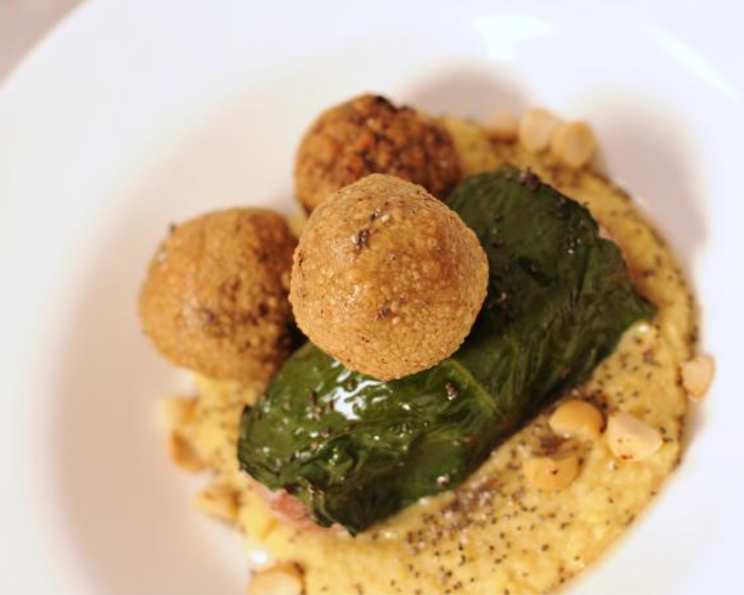
Marco’s Fish Wrapped in Hoja Santa with Huitlacoche Masa Dumplings and Plantain Salsa
The first time I tasted fish wrapped in Hoja Santa, it was at a small, unassuming restaurant in Oaxaca. The aroma alone transported me; a heady blend of anise, eucalyptus, and something subtly peppery. The tender, flaky fish, infused with the unique flavor of the leaf, was unlike anything I’d ever experienced. It was simple, honest food, elevated by the incredible ingredients and the clear love that went into its preparation. It’s a memory, a feeling, I try to recreate every time I make this dish.
Recipe Overview
- Prep Time: 45 minutes
- Cook Time: 15 minutes
- Total Time: 60 minutes
- Servings: 4
- Dietary Type: Gluten-Free
Ingredients
For the Huitlacoche Masa Dumplings
- 2 tablespoons / 30 ml canola oil
- 2 cups / 500 ml chopped Huitlacoche (corn mushroom)
- 1 leek, minced
- Salt & freshly ground black pepper
- 1 bunch epazote, chopped (or substitute with tarragon or a mix of herbs like cilantro, parsley, and chives)
For the Masa Bolitas (Small Dough Balls)
- 2 cups / 500 ml very fine cornflour (masa harina)
- 1 teaspoon / 5 ml salt
- ½ cup / 125 ml crumbled Chiapas cheese (or substitute with Cheddar cheese)
For the Plantain Salsa
- 2 tablespoons / 30 ml butter
- 2 tablespoons / 30 ml canola oil
- 2 garlic cloves, minced
- 1 leek, chopped
- 1 onion, chopped
- 1 plantain banana, cut in chunks
- 1 tablespoon / 15 ml bonito flakes
- ½ teaspoon / 2 ml whole allspice
- Salt & freshly ground black pepper
- Canola oil, for deep frying
For Garnish (Optional)
- Chia seeds
- Toasted macadamia nuts
For the Fish
- 4 jack fish fillets, or any white firm-flesh fish you like (about 2 pounds / 1 kg)
- 4 hoja santa leaves, or 4 banana leaves
- Salt & freshly ground black pepper
Equipment Needed
- Skillet
- Large bowl
- Plastic wrap
- Food processor
- Baking tray
- Deep-fryer (or large, deep pot)
- Paper towels
Instructions
-
Prepare the Huitlacoche Filling: In a skillet, heat the canola oil over medium heat. Add the chopped huitlacoche and minced leeks, and sauté for about 5 minutes, until the mushrooms are softened. Season generously with salt and pepper, and then stir in the chopped epazote (or your chosen herb substitute). Set aside to cool slightly.
-
Make the Masa Dough: In a large bowl, combine the masa harina and salt. Gradually add 1 ½ cups / 375 ml of water, mixing as you go. Knead the mixture until it forms a smooth, pliable dough. If the dough is too dry, add a little more water, a tablespoon at a time.
-
Assemble the Masa Dumplings: Pinch off a piece of the masa dough about the size of a golf ball. Press your thumb into the center of the ball to create a cavity. Fill the cavity with a spoonful of the huitlacoche mixture and a small amount of crumbled Chiapas cheese. Carefully enclose the filling with the masa dough, reshaping it into a smooth ball. Repeat with the remaining dough and filling. Cover the assembled masa dumplings with plastic wrap and refrigerate until ready to deep-fry. This step can be done well in advance.
-
Prepare the Plantain Salsa: In the same skillet, melt the butter with the canola oil over medium heat. Add the minced garlic, chopped leeks, and chopped onion, and sauté until the vegetables are translucent and softened, about 5 minutes. Add the plantain banana chunks and continue to sauté for another 5 minutes, until the plantain is tender. Add the bonito flakes and whole allspice, and continue sautéing for 2 to 3 minutes, allowing the flavors to meld.
-
Process the Salsa: Transfer the plantain mixture to the bowl of a food processor. Pulse until the mixture is a coarse puree, retaining some texture. If the salsa is too thick, add a little water to reach your desired consistency. Season to taste with salt and pepper.
-
Prepare the Fish: Preheat your oven to 400 degrees F (200 degrees C). Lightly season the jack fish fillets with salt and pepper. Wrap each fillet with a hoja santa leaf, ensuring the fish is completely enclosed. If using banana leaves, you may need to lightly oil the leaves to prevent sticking. Place the wrapped fish on a baking tray.
-
Bake the Fish: Place the baking tray in the preheated oven and bake the fish for about 5 minutes, or until the fish is cooked through and flakes easily with a fork. The cooking time may vary depending on the thickness of the fish fillets. Set aside to rest.
-
Deep-Fry the Masa Dumplings: Heat the canola oil in a deep-fryer or a large, deep pot to 375 degrees F (190 degrees C). Carefully add the masa dumplings to the hot oil, working in batches to avoid overcrowding. Deep-fry the dumplings until they are nice and golden brown, about 3 minutes per side.
-
Drain and Season the Dumplings: Transfer the fried masa dumplings to a baking tray lined with paper towels to drain any excess oil. Season immediately with salt and pepper.
-
Assemble the Dish: To assemble the plate, spoon a generous amount of the plantain salsa onto a plate. Place a piece of the hoja santa-wrapped fish on top of the salsa. Arrange 2 or 3 masa dumplings alongside the fish. Garnish with chia seeds and toasted macadamia nuts, if desired.
Expert Tips & Tricks
- If you can’t find Hoja Santa, banana leaves are a good alternative. They impart a subtle sweetness and keep the fish moist.
- To prevent the masa dumplings from sticking to the fryer, make sure the oil is hot enough before adding them.
- If your plantain salsa is too sweet, add a squeeze of lime juice to balance the flavors.
- The huitlacoche filling can be made a day in advance and stored in the refrigerator. This allows the flavors to meld together.
- For a spicier salsa, add a finely chopped serrano pepper to the plantain mixture while sautéing.
- Use a candy thermometer to accurately monitor the temperature of the frying oil.
- When wrapping the fish, make sure the hoja santa leaves are large enough to completely enclose the fillet. This helps to keep the fish moist and flavorful.
Serving & Storage Suggestions
Serve Marco’s Fish Wrapped in Hoja Santa immediately after cooking to enjoy the flavors at their peak. The tender fish and crispy masa dumplings are best when fresh.
Leftovers should be stored separately. The fish, wrapped in its hoja santa, can be kept in the refrigerator for up to 2 days. The masa dumplings are best eaten fresh but can also be refrigerated for up to 2 days. Reheat the fish gently in a low oven or microwave. The dumplings can be reheated in a dry skillet or toaster oven to help restore some of their crispness. The plantain salsa can be stored in an airtight container in the refrigerator for up to 3 days.
We do not recommend freezing the components of this dish, as the texture of the fish and dumplings may be affected.
Nutritional Information
| Nutrient | Amount per Serving | % Daily Value |
|---|---|---|
| Calories | 650 kcal | 33% |
| Total Fat | 35g | 54% |
| Saturated Fat | 15g | 75% |
| Cholesterol | 150mg | 50% |
| Sodium | 500mg | 21% |
| Total Carbohydrate | 50g | 17% |
| Dietary Fiber | 5g | 20% |
| Sugars | 15g | |
| Protein | 40g | 80% |
Variations & Substitutions
- Vegetarian Option: Substitute the fish with grilled halloumi cheese or thick slices of portobello mushroom.
- Spicy Twist: Add a pinch of cayenne pepper to the masa dough for a little heat.
- Regional Adaptation: Use locally available greens instead of Hoja Santa. Collard greens or spinach could work in a pinch, although the flavor profile will differ significantly.
- Cheese Swap: If you can’t find Chiapas cheese, use Monterey Jack or Queso Oaxaca.
- Alternative Herbs: Experiment with other herbs in the huitlacoche filling, such as oregano or thyme.
FAQs (Frequently Asked Questions)
Q: What exactly is Huitlacoche?
A: Huitlacoche is a type of corn fungus, sometimes called “corn smut,” that is considered a delicacy in Mexican cuisine. It has a unique earthy, smoky flavor.
Q: Can I make the masa dumplings ahead of time?
A: Yes, you can assemble the masa dumplings a day in advance and store them in the refrigerator until you’re ready to deep-fry them.
Q: Where can I find Hoja Santa leaves?
A: Hoja Santa can sometimes be found at Latin American grocery stores or specialty herb shops. If you can’t find them, banana leaves are a good substitute.
Q: What kind of fish works best for this recipe?
A: Any firm-fleshed white fish, such as jack fish, cod, snapper, or halibut, will work well.
Q: How do I know when the fish is cooked through?
A: The fish is cooked through when it flakes easily with a fork and is no longer translucent.
Final Thoughts
This recipe is more than just a combination of ingredients; it’s a journey. It’s a journey to Oaxaca, to my own culinary memories, and hopefully to a new appreciation for the incredible flavors that Mexican cuisine has to offer. Don’t be afraid to experiment with the ingredients and make it your own. I encourage you to try this recipe and share your feedback! Pair this dish with a crisp Mexican lager or a refreshing margarita for the perfect meal.