
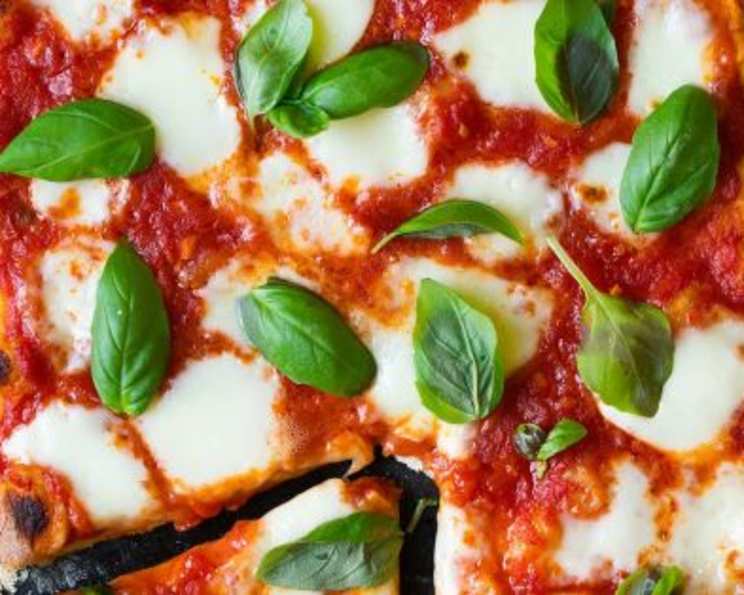
Margherita Pizza: A Slice of Italian Sunshine
The first time I tasted a Margherita pizza, I was a wide-eyed student backpacking through Italy. It wasn’t in a fancy restaurant, but at a tiny, family-run pizzeria tucked away in a Naples side street. The simplicity of the flavors – the sweet tang of tomato, the creamy richness of mozzarella, the fragrant kiss of basil – hit me with such force that I instantly understood what all the fuss was about. More than just a meal, it was an experience, a story told in the colors of the Italian flag, a sun-drenched memory that I’ve carried with me ever since.
Recipe Overview
- Prep Time: 30 minutes
- Cook Time: 8 minutes
- Total Time: 2 hours 45 minutes (includes rising time)
- Servings: 4
- Yield: 4 13-inch pizzas
- Dietary Type: Vegetarian
Ingredients
For the Dough:
- 1 (8 g) envelope active dry yeast
- 2 cups warm water (90 to 105 degrees F)
- ½ teaspoon sugar
- 4 cups all-purpose flour, plus more for kneading
- 2 teaspoons salt
- Extra-virgin olive oil
For the Toppings:
- One 14-ounce can peeled whole San Marzano tomatoes, drained
- ½ teaspoon dried oregano, crumbled
- ¼ cup plus 1 tablespoon extra-virgin olive oil
- Coarse sea salt and black pepper
- 2 lbs buffalo mozzarella, thinly sliced
- 32 large basil leaves, torn into pieces
Equipment Needed
- Large bowl
- Pastry scraper
- Plastic wrap
- Baking sheet
- Pizza stone
- Food mill or food processor
- Pizza peel
Instructions
- In a large bowl, mix the yeast with ½ cup of the warm water and the sugar and let stand until foamy, about 5 minutes. This step is crucial for ensuring the yeast is active and will give your dough a good rise.
- Add the remaining 1 ½ cups of warm water, the 4 cups of flour, and the salt to the yeast mixture. Stir until a soft dough forms. Don’t overmix at this stage; just ensure everything is combined.
- Turn the dough out onto a well-floured work surface. Knead the dough, adding flour as necessary, until a silky, but soft dough forms. Using a pastry scraper can be helpful during kneading to manage the stickiness of the dough. This process typically takes 8-10 minutes. The dough should be smooth and elastic.
- Transfer the dough to a lightly oiled bowl and brush all over with olive oil. This prevents the dough from drying out and adds flavor. Cover the bowl with plastic wrap and refrigerate overnight or for up to 3 days. This slow fermentation process develops the flavor of the dough and improves its texture.
- Transfer the dough to a lightly floured surface. Punch down the dough to release any excess gas. Divide the dough into 4 equal pieces.
- Form each piece into a ball. Rub each ball with oil and transfer to a baking sheet. Cover the balls loosely with plastic wrap and let rise in a draft-free place for 1 hour. This second rise allows the dough to become light and airy.
- Meanwhile, set a pizza stone in the oven and preheat the oven to 500°F (260°C), allowing at least 20 minutes for the stone to heat. A preheated pizza stone is essential for achieving a crispy crust.
- Pass the tomatoes through a food mill set over a medium bowl or pulse them in a food processor until coarsely chopped. Be careful not to over-process them, as you want a rustic sauce with some texture.
- Stir in the oregano and 1 tablespoon of the olive oil into the tomato mixture. Season generously with salt and pepper. Taste and adjust the seasoning as needed.
- On a lightly floured surface, stretch one ball of dough into a 13-inch round. Aim for a consistent thickness across the pizza base.
- Transfer the stretched dough to a floured pizza peel, adding flour where the dough sticks. This ensures the pizza will slide easily onto the hot stone.
- Spread ¼ cup of the tomato sauce over the dough to within 1 inch of the edge. Avoid using too much sauce, as it can make the crust soggy.
- Spread one-fourth of the mozzarella over the pizza and drizzle with 1 tablespoon of oil. Ensure the cheese is evenly distributed.
- Season with sea salt and pepper and slide the pizza onto the stone.
- Bake until the bottom is charred and the cheese is melted, about 8 minutes. Keep a close eye on the pizza, as baking times can vary depending on your oven.
- Scatter one-fourth of the basil on top and let stand for 3 minutes before serving. The basil should be added after baking to preserve its fresh flavor.
- Repeat with the remaining dough and toppings.
Expert Tips & Tricks
- For an even crispier crust, try using a pizza steel instead of a pizza stone. Pizza steels retain heat better and can result in a more evenly cooked pizza.
- If you don’t have a pizza peel, you can use the back of a baking sheet dusted with flour.
- Don’t overcrowd your pizza with toppings. A classic Margherita is all about simplicity and letting the quality of the ingredients shine.
- If your oven doesn’t get hot enough, preheat it to its highest setting and use the broiler for the last minute or two of baking to achieve a nicely charred crust. Watch it carefully to avoid burning!
Serving & Storage Suggestions
Serve your Margherita pizza immediately after baking for the best flavor and texture. The vibrant colors and aromas are most appealing when the pizza is fresh from the oven. To store leftovers, wrap them tightly in plastic wrap or place them in an airtight container and refrigerate for up to 3 days. Reheat in a preheated oven at 350°F (175°C) for 5-10 minutes, or until warmed through. You can also reheat individual slices in a skillet over medium heat for a crispy crust. While you can freeze leftover pizza, the texture of the crust and cheese may change upon thawing. For best results, consume leftovers within a few days.
Nutritional Information
| Nutrient | Amount per Serving | % Daily Value |
|---|---|---|
| Calories | 1269 kcal | N/A |
| Total Fat | 65.8g | 101% |
| Saturated Fat | 32g | 159% |
| Cholesterol | 179.5mg | 59% |
| Sodium | 2595.5mg | 108% |
| Total Carbohydrate | 102.3g | 34% |
| Dietary Fiber | 4.3g | 17% |
| Sugars | 3.3g | N/A |
| Protein | 64.7g | 129% |
Note: Nutritional information is an estimate and may vary based on specific ingredients and preparation methods.
Variations & Substitutions
- Gluten-Free Margherita: Use a gluten-free pizza dough recipe or store-bought gluten-free crust.
- Vegan Margherita: Substitute the buffalo mozzarella with a high-quality vegan mozzarella alternative. You can also create a cashew-based “ricotta” to add another layer of flavor and texture.
- Spice it Up: Add a pinch of red pepper flakes to the tomato sauce for a subtle kick.
- Seasonal Twist: In the summer, use fresh, ripe heirloom tomatoes for an extra burst of flavor. In the fall, consider adding roasted butternut squash or pumpkin to the toppings.
FAQs (Frequently Asked Questions)
Q: Why is my pizza crust soggy?
A: A soggy crust is usually caused by too much sauce or toppings. Make sure to drain your tomatoes well and avoid overloading the pizza. Also, ensure your oven is preheated to a high temperature and that you are using a pizza stone or steel.
Q: Can I use regular mozzarella instead of buffalo mozzarella?
A: While buffalo mozzarella is the traditional choice for Margherita pizza, regular mozzarella can be used as a substitute. However, buffalo mozzarella has a higher moisture content and a richer flavor, which contributes to the authentic taste and texture of the pizza.
Q: How can I prevent the dough from sticking to the pizza peel?
A: Generously flour the pizza peel before transferring the stretched dough onto it. You can also use cornmeal for extra grip and a slightly crispier crust. Ensure the dough is not too thin or has any holes, as this can cause it to stick.
Q: Can I make the dough ahead of time?
A: Absolutely! In fact, making the dough a day or two in advance allows the flavors to develop and the dough to become more manageable. Simply store the dough in the refrigerator, covered with plastic wrap, for up to 3 days.
Q: What is the best way to reheat leftover pizza?
A: Reheating leftover pizza in the oven at 350°F (175°C) for 5-10 minutes is the best way to restore its crispy crust. You can also reheat individual slices in a skillet over medium heat for a quick and easy option. Avoid microwaving, as it can make the crust soggy.
Final Thoughts
Now, with all the knowledge in hand, it’s time for you to bring a piece of Italy to your kitchen. Whether you stick to the classic recipe or add your own creative twist, the most important thing is to enjoy the process and savor the delicious results. Don’t be afraid to experiment, share your creations with loved ones, and let the simple flavors of a Margherita pizza transport you to sun-drenched Italian shores. Buon appetito!