
Maria Luisa: A Taste of El Salvador in Every Layer
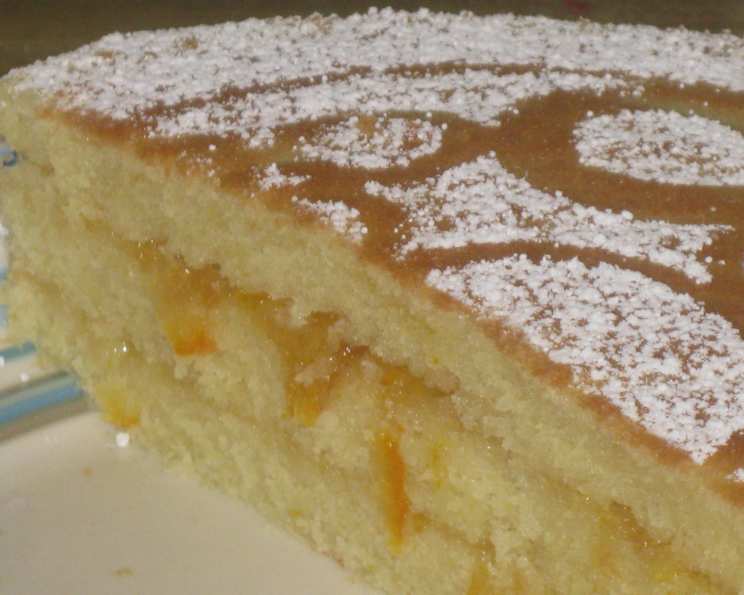
The first time I tasted Maria Luisa, I was transported. It wasn’t just the delicate sweetness or the bright burst of orange; it was the feeling of being welcomed, of being home. My abuela, her hands dusted with powdered sugar, would always bake this cake for special occasions. The aroma of citrus filled her tiny kitchen, a promise of shared laughter and stories that stretched back generations. Each layer of this cake, soaked with the essence of orange and marmalade, is a sweet reminder of her warmth and the enduring power of family traditions.
Recipe Overview
- Prep Time: 30 minutes
- Cook Time: 25 minutes
- Total Time: 55 minutes
- Servings: 12
- Yield: 1 cake
- Dietary Type: Not Gluten-Free
Ingredients
- 1 cup butter, at room temperature
- 1 1⁄4 cups sugar
- 1 tablespoon orange zest
- 1 teaspoon vanilla extract
- 6 eggs, at room temperature
- 1 1⁄2 cups flour
- 1 teaspoon baking powder
- 1⁄4 cup orange juice
- 1 cup orange marmalade
- 1⁄3 cup powdered sugar
Equipment Needed
- Three 9-inch cake pans
- Mixing bowls
- Electric mixer (stand or hand-held)
- Rubber spatula
- Sifter or fine-mesh sieve
- Measuring cups and spoons
Instructions
- Preheat your oven to 350°F (175°C). Grease and flour three 9-inch cake pans. This ensures the cakes release easily and bake evenly. Dust with flour after greasing, tapping out the excess.
- In a medium bowl, sift together the flour and baking powder. Sifting ensures a light and airy texture by removing any clumps and incorporating air into the dry ingredients. Set aside.
- In a large mixing bowl, cream together the butter and sugar on medium-high speed until light and fluffy, about 3-5 minutes. This step is crucial for creating a tender cake. The butter should be properly softened (but not melted) to achieve the right consistency.
- Add the orange zest and vanilla extract and beat for 15 seconds more. The zest adds a bright, citrusy aroma and flavor that defines Maria Luisa.
- With the mixer at medium speed, add one egg at a time, letting each egg fully incorporate before adding the next. This ensures a smooth batter and prevents curdling.
- Turn the mixer to medium-low speed. Gradually add the flour mixture in three parts, alternating with the orange juice, beginning and ending with the flour. Mix until just smooth. Avoid overmixing, as this can develop the gluten in the flour, resulting in a tough cake.
- Spoon equal parts of the batter into the prepared cake pans. Use a kitchen scale for the most accurate distribution.
- Bake for about 25 minutes, or until a wooden skewer inserted into the center comes out clean. Keep an eye on the cakes, as baking times may vary depending on your oven.
- Remove the cakes from the oven and let them cool in the pans for about 10 minutes before inverting them onto a wire rack to cool completely. This prevents the cakes from sticking and allows them to cool evenly.
- While the cakes are cooling, prepare the marmalade filling. In a small saucepan, gently heat the orange marmalade with a tablespoon or two of water, stirring until it becomes slightly thinned and almost pourable. This makes it easier to spread over the cake layers.
- Once the cakes are completely cool, assemble the cake. Place one cake layer on a serving plate. Spread half of the thinned marmalade evenly over the surface.
- Add the next cake layer on top and spread with the remaining marmalade.
- Top with the last cake layer.
- Just before serving, sprinkle the cake with powdered sugar through a sieve or fine-mesh strainer for a delicate finish. This adds a touch of sweetness and visual appeal.
Expert Tips & Tricks
- For a more intense orange flavor, consider adding a teaspoon of orange extract to the batter along with the vanilla.
- To ensure even baking, rotate the cake pans halfway through the baking time.
- If you find the cake layers are browning too quickly, tent them loosely with foil during the last few minutes of baking.
- If you don’t have orange marmalade, apricot or peach preserves can be used as a substitute.
- For a richer flavor, brush the cooled cake layers with a simple syrup flavored with orange liqueur before adding the marmalade.
- The cake layers can be baked a day ahead and stored at room temperature, wrapped tightly in plastic wrap. Assemble the cake just before serving to prevent the layers from becoming soggy.
Serving & Storage Suggestions
Maria Luisa is best served at room temperature. The powdered sugar topping is best added right before serving to prevent it from dissolving into the cake. Serve it as a dessert, with coffee or tea, or as a special treat for any occasion.
Leftover cake should be stored in an airtight container at room temperature for up to 2 days or in the refrigerator for up to 5 days. The refrigerator will help to keep the marmalade from spoiling. You can also freeze the unfrosted cake layers for up to 2 months. Thaw completely before assembling.
Nutritional Information
| Nutrient | Amount per Serving | % Daily Value |
|---|---|---|
| Calories | 784.9 kcal | N/A |
| Calories from Fat | 323 g | 41% |
| Total Fat | 36 g | 55% |
| Saturated Fat | 21 g | 105% |
| Cholesterol | 292.8 mg | 97% |
| Sodium | 379.2 mg | 15% |
| Total Carbohydrate | 109.5 g | 36% |
| Dietary Fiber | 1.4 g | 5% |
| Sugars | 81.6 g | N/A |
| Protein | 10.1 g | 20% |
Note: Nutritional information is an estimate and may vary based on specific ingredients and portion sizes.
Variations & Substitutions
- Lemon Luisa: Substitute lemon zest and lemon marmalade for the orange.
- Spiced Maria Luisa: Add 1/2 teaspoon of ground cinnamon and 1/4 teaspoon of ground nutmeg to the flour mixture.
- Nutty Maria Luisa: Add 1/2 cup of finely chopped almonds or walnuts to the batter.
- Gluten-Free: Replace the all-purpose flour with a gluten-free all-purpose flour blend. Be sure to include a binder like xanthan gum if your blend doesn’t already contain it.
- Simplified Version: You can use store-bought cake mix instead of making from scratch. Just flavor it with orange zest and orange juice.
FAQs (Frequently Asked Questions)
Q: Can I use a different type of jam besides orange marmalade?
A: Absolutely! Raspberry, apricot, or peach jam would all be delicious alternatives. Choose a flavor that complements the orange zest in the cake.
Q: What’s the best way to prevent the cake from sticking to the pans?
A: Thoroughly grease and flour the cake pans. You can also use parchment paper rounds at the bottom of the pans for added insurance.
Q: My cake layers are domed. How can I make them flatter?
A: Use cake strips wrapped around the outside of the pans. These help to insulate the edges of the cake and promote even baking.
Q: Can I make this cake ahead of time?
A: Yes, you can bake the cake layers a day in advance and store them tightly wrapped at room temperature. Assemble the cake just before serving to prevent it from becoming soggy.
Q: Why is it important to have the eggs at room temperature?
A: Room temperature eggs emulsify better into the batter, which helps create a smoother and more even texture.
Final Thoughts
Baking Maria Luisa is more than just following a recipe; it’s about creating a connection to a culture, a memory, and a feeling of love. I encourage you to try this recipe, adding your own personal touch to it. Perhaps experiment with different jams or spices. No matter how you make it, I hope it brings you the same joy and warmth that it has brought me and my family for generations. Share your creations and feedback – I’d love to hear your stories! This cake pairs wonderfully with a cup of strong coffee or a glass of sweet dessert wine.